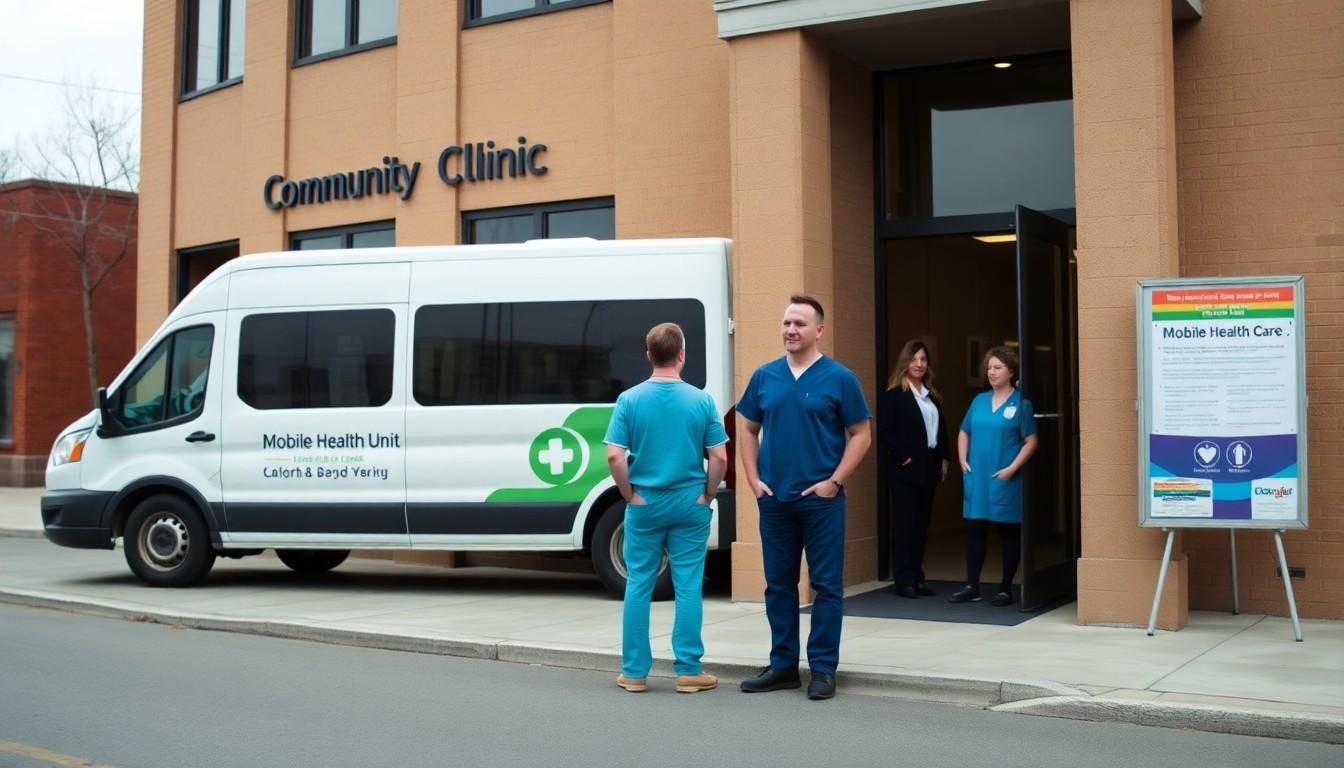
Shoppers are turning to community-driven care: Niagara Falls Memorial Medical Center has teamed up with Niagara Pride to bring a mobile clinic to downtown Niagara Falls, offering inclusive, low-barrier health and wellness services that matter to LGBTQIA2S+ people and allies across Western New York.
Essential Takeaways
- Monthly mobile clinics: Niagara Falls Memorial’s Mobile Health Unit will be at Niagara Pride’s 1522 Main Street office on scheduled dates, offering walk-in and scheduled services in a welcoming setting.
- Wide range of services: Expect primary care, preventive screenings, STI/HIV testing, PrEP access, mental-health support, and care coordination , all aimed at respectful, patient-centred care.
- Gender-affirming navigation: The partnership provides referrals and navigation for gender-affirming hormone therapy and surgical services through trusted specialty providers.
- Open to the region: Services are available to residents across Niagara, Erie, Orleans and surrounding counties, reducing travel and stigma-related barriers.
- Community focus: The collaboration aims to improve health equity by meeting people where they are, with free on-site parking and special extended hours for a Community Health Fair.
Why a mobile clinic matters now
Meeting people where they are sounds simple, but it changes everything when healthcare has felt distant or unsafe. The Mobile Health Unit will park at Niagara Pride, a familiar, affirming space, so appointments feel less clinical and more human. That quiet relief , the soft exhale when you enter a space that doesn’t judge , is part of what makes outreach like this effective.
The move follows a wider push to bring health services into community settings, reducing no-shows and logistical hurdles. For people juggling jobs, travel, or mistrust of traditional clinics, a local mobile unit can be the difference between a test and no test. Expect to see preventive care that’s straightforward and practical, from blood pressure checks to diabetes screening.
What services you can actually get
This isn’t a one-off testing day; it’s a compact clinic offering primary and preventive care alongside sexual-health services. You can get wellness visits, chronic disease management, women’s health checks, STI and HIV screening, plus PrEP counselling and telehealth follow-ups. Mental-health support and Social Determinants of Health screening are included, so staff can link you with food, housing or other community resources if needed.
Offering both in-person and telehealth options for certain services means continuity of care , useful if you prefer a quick follow-up from home. If you’re nervous about clinical environments, having these services in a trusted community hub can make an initial appointment far less stressful.
Gender-affirming care: navigation, not just signposting
The programme isn’t promising on-the-spot surgeries , that’s not how specialist care works , but it does offer navigation and referrals for gender-affirming hormone therapy and surgical pathways. That kind of help is invaluable: finding vetted specialists, managing referrals, and coordinating follow-up can otherwise be a maze.
For many trans and non-binary people, the hardest part is knowing who to trust. A mobile unit connected to established providers helps close that gap, guiding patients through next steps while keeping their dignity and timelines in mind.
Dates, access and practical tips for visitors
The Mobile Health Unit visits are scheduled across a few afternoons and a full day for a Community Health Fair with expanded services. Free on-site parking makes the visit less of a chore, and the clinic is open to anyone in the broader region , so bring ID if you have it, but don’t let paperwork worries stop you.
Practical tips: call ahead to check whether walk-ins are welcome for the service you need, bring a list of medications, and jot down any questions about sexual health or hormone care. If you’ve had past barriers to care, bring a friend for support , having someone who knows you can make appointments smoother.
Where this fits into wider community healthcare
This partnership is part of a trend toward community-based healthcare that prioritises access and trust. Organisations in other regions have seen similar outreach reduce missed appointments and improve screening rates, especially among underserved populations. Bringing clinical services into a community hub like Niagara Pride signals a commitment to health equity, not just a short-lived event.
Looking ahead, if these monthly clinics reduce barriers and build relationships, they could pave the way for more regular programming or expanded services. For now, it’s a practical, humane step that a lot of people in the region will welcome.
It's a small change that can make every visit feel safer and more straightforward.
Source Reference Map
Story idea inspired by: [1]
Sources by paragraph: