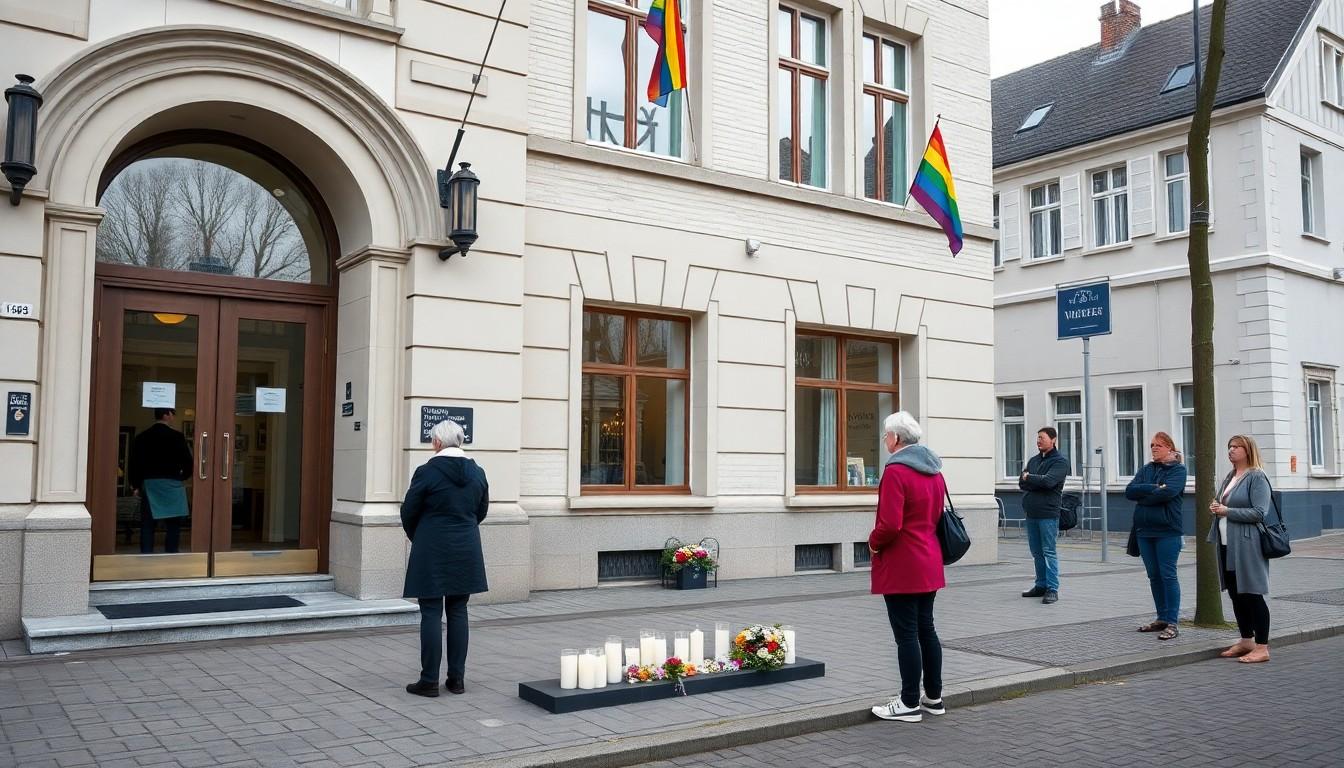
Notice how towns across Gelderland reacted , some raised flags and held vigils in Arnhem, while others stayed quiet; residents say even a small show of support helps people feel safe and seen after the attack in Berlin.
Essential Takeaways
- Visible solidarity counts: Arnhem held a public vigil and raised rainbow flags, giving a clear community response and a place to mourn.
- Patchy regional reaction: Some nearby “rainbow” municipalities issued only brief statements or nothing at all, creating frustration among local activists.
- Local voices matter: Community organisers from Wageningen and Geldermalsen say even modest gestures , a flag, a vigil, a statement , signal safety.
- Politics and timing shape responses: Councils cite ongoing work on inclusion, holidays, or existing programmes as reasons for quieter reactions.
- Practical ask: If you want your council to act, join local groups, show up to vigils, or ask officials for simple, visible support.
Arnhem set the tone , flags, vigils and a sense of public mourning
Arnhem was one of the few places in the region to respond visibly, with rainbow-lit landmarks and a memorial gathering that drew hundreds, including people from neighbouring towns. Residents described the atmosphere as quiet and intense, with the soft rustle of flowers and conversations about safety. According to local reporting, the city raised the flag and organised a space for people to grieve, which made a clear civic statement that violence against the LGBTIQ+ community won’t be ignored. For anyone organising locally, this shows how a single coordinated event can attract regional attendance and offer comfort.
Why some municipalities stayed silent , holidays, bureaucracy or strategy?
In places like Wageningen and West Betuwe, reaction was much milder , at most a shared statement from a heritage foundation or a social media post , leaving activists frustrated. Officials point to practical reasons: it’s holiday season, initiatives were already underway, or councils prefer longer-term inclusion work over symbolic gestures. That said, campaigners argue symbols are low-cost and emotionally potent. If you’re lobbying your council, mention that visible acts needn’t replace policy work; they complement it and reassure vulnerable residents now.
Activists say a small thing makes a big difference
Local organisers, including drag performers and activists who travelled to Arnhem, stress how much a short local notice or a flag can mean. One Wageningen organiser said it would have been “low-hanging fruit” for the town to do something more visible, noting the city’s historical identity around liberation , a linking detail that would have resonated strongly. This is a reminder: community gestures carry emotional weight and can be especially helpful to people who may not travel to bigger vigils.
The longer fight for acceptance , beyond one-off statements
Some officials emphasise that their municipality is already working on inclusion through programmes and agreements signed at the ballot box. Indeed, regional initiatives like rainbow crosswalks and local conference hosting show ongoing commitment. Still, advocates warn that public acceptance has slipped in places and symbolic replies to attacks can shore up trust while structural work continues. If you’re weighing priorities: keep pushing for both immediate visibility and lasting policies.
What residents can do right now , practical steps to prompt action
Show up to vigils, support local LGBTIQ+ groups, and ask your council for simple measures: a flag, a short statement, or lighting a public building in rainbow colours. Small actions are easy to implement and hugely reassuring, especially in towns where people say they want to hear “here you are safe.” Contact your local representative, join community petitions, and amplify events on social media to make it harder for silence to be the default.
It's a small change that can make every resident feel safer and more seen.
Source Reference Map
Story idea inspired by: [1]
Sources by paragraph: