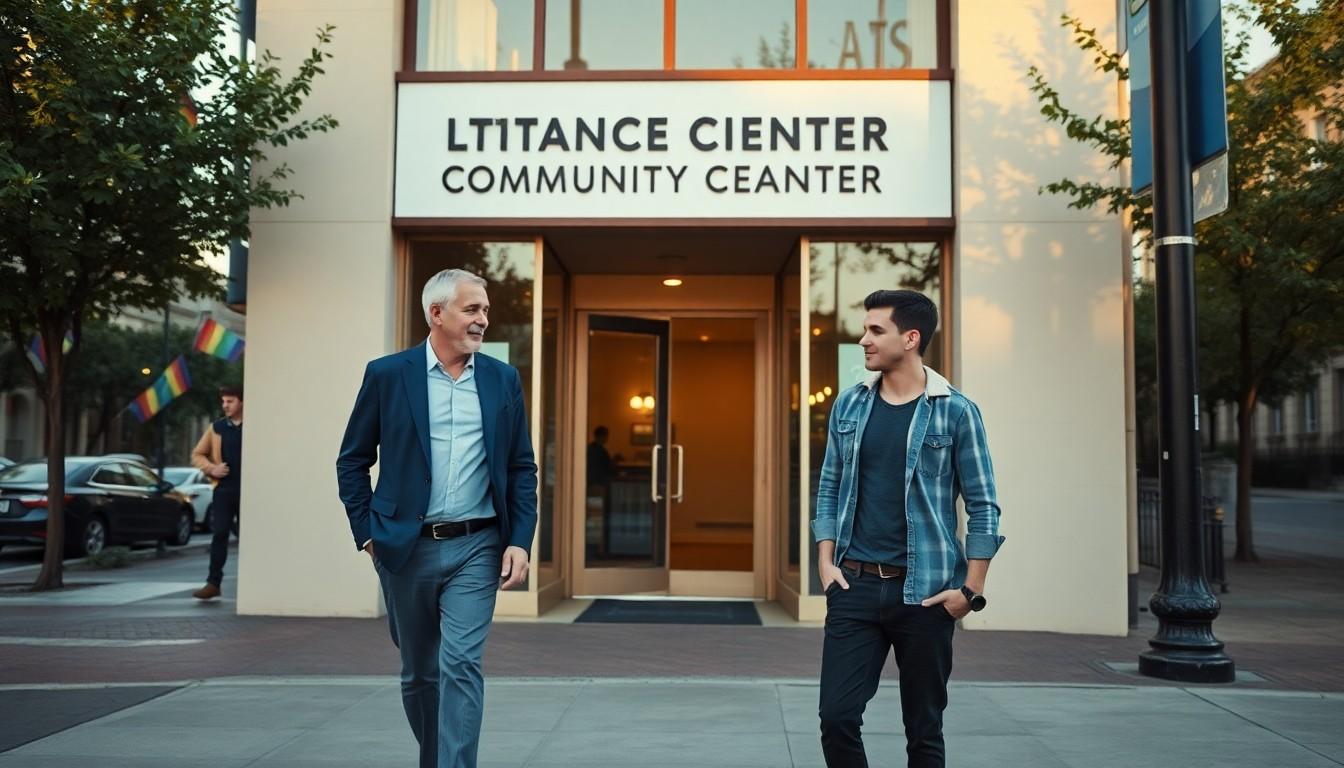
Notice how attention shifts as you age: a 40-year-old man suddenly swamped by flirty 20-somethings on Grindr has people debating ethics, boundaries and what “daddy” even means , and it matters because consent, power and respect still set the rules.
Essential Takeaways
- Surprising surge: Older men often report more messages and interest from younger users on hookup apps, thanks to perceived stability and confidence.
- It’s legal, but nuanced: Adults in their 20s are consenting, yet age gaps can create power dynamics that deserve attention.
- Duty of care: Setting clear boundaries and expectations helps prevent misunderstandings and preserves dignity for both people.
- Not all stereotypes fit: Young partners aren’t always chasing money; many genuinely prefer older aesthetics like grey hair or experience.
- Practical tip: Be upfront about intentions , casual, friends-with-benefits or something more , and check in emotionally afterwards.
Why 40-year-olds suddenly feel like the hottest commodity
There’s a distinct, slightly smug tingle that comes when your inbox starts filling with twenty-somethings; it feels flattering and disorienting at once. According to discussions across queer media, men in their forties often get more attention on apps like Grindr because younger users read experience and stability into older profiles. The effect is sensory as well as social , confident photos, calm bios, that quiet polish , and it lands.
Queer culture has laboured under changing aesthetics for decades, and outlets from lifestyle blogs to mainstream papers have flagged the so-called “Daddy Era.” That’s partly pop-culture shorthand for older men becoming more visibly desired, from celebrities to everyday daters. The practical bit: if you suddenly have options, take a breath before you act.
The ethics: why “they’re adults” isn’t the whole answer
Legally, 23 and 24-year-olds are adults and entitled to their choices, and many commenters on Reddit point this out. But consent and legality are only the baseline; power imbalance can still sneak in. Older partners often hold more life experience, career stability, and a wider social network, and that can tilt interactions if left unchecked.
Industry voices and commentators advise treating younger partners with particular care. Simple rules help: be honest about what you want, avoid playing games, and don’t leverage your age as a status trophy. If you’re asking yourself whether you’re taking advantage, that self-awareness is a good sign , it suggests you’ll act with respect.
Why younger guys really do message older men , it’s not always about cash
Popular explanations sometimes default to crass stereotypes , that younger partners want money or status. Specialists and firsthand accounts dispute that narrow view. Many younger gay men simply find the aesthetic of maturity attractive: greying hair, confidence, amusing war stories about the pre-smartphone nightclub heyday.
Grindr’s own community writing and cultural coverage point to tribes and labels , “daddy,” “twink,” “otter” , that help people signal preferences quickly. So those messages you’re getting might be shorthand for “I like older men,” rather than a transactional offer. Still, keep an eye out for red flags and shallow flattery masquerading as interest.
How to set boundaries that feel good, not shameful
Practicality beats moralising. If you don’t want a relationship with someone in their early twenties, say so kindly and clearly on your profile or in chat. If you’re okay with casual hookups, be explicit about expectations: condoms, exclusivity, messaging frequency, and what emotional aftercare looks like. That protects both parties and reduces the chance of someone getting hurt.
If you do decide to meet, choose neutral public spaces first, let a friend know where you’re going, and trust your instincts. Older partners can also model mature behaviour by checking in after a hookup and ensuring the younger person didn’t feel pressured. It’s small steps that make a big difference.
Balancing desire, reputation and legacy
There’s a performative side to being a desirable older man; it can feel like joining a club with its own wardrobe and in-jokes. But this era also offers a chance to be better than the clichés , to show that older queer men can be mentors, lovers and allies without being predatory. Writers and community members suggest leaning into transparency and practising empathy.
If queer culture has long prized nonconformity, then subverting ageist assumptions is part of that legacy , but not at the cost of another person’s wellbeing. In short: enjoy the attention if you want it, but don’t treat it as an excuse to abdicate responsibility.
It's a small change that can make every encounter feel fairer and more fun.
Source Reference Map
Story idea inspired by: [1]
Sources by paragraph: