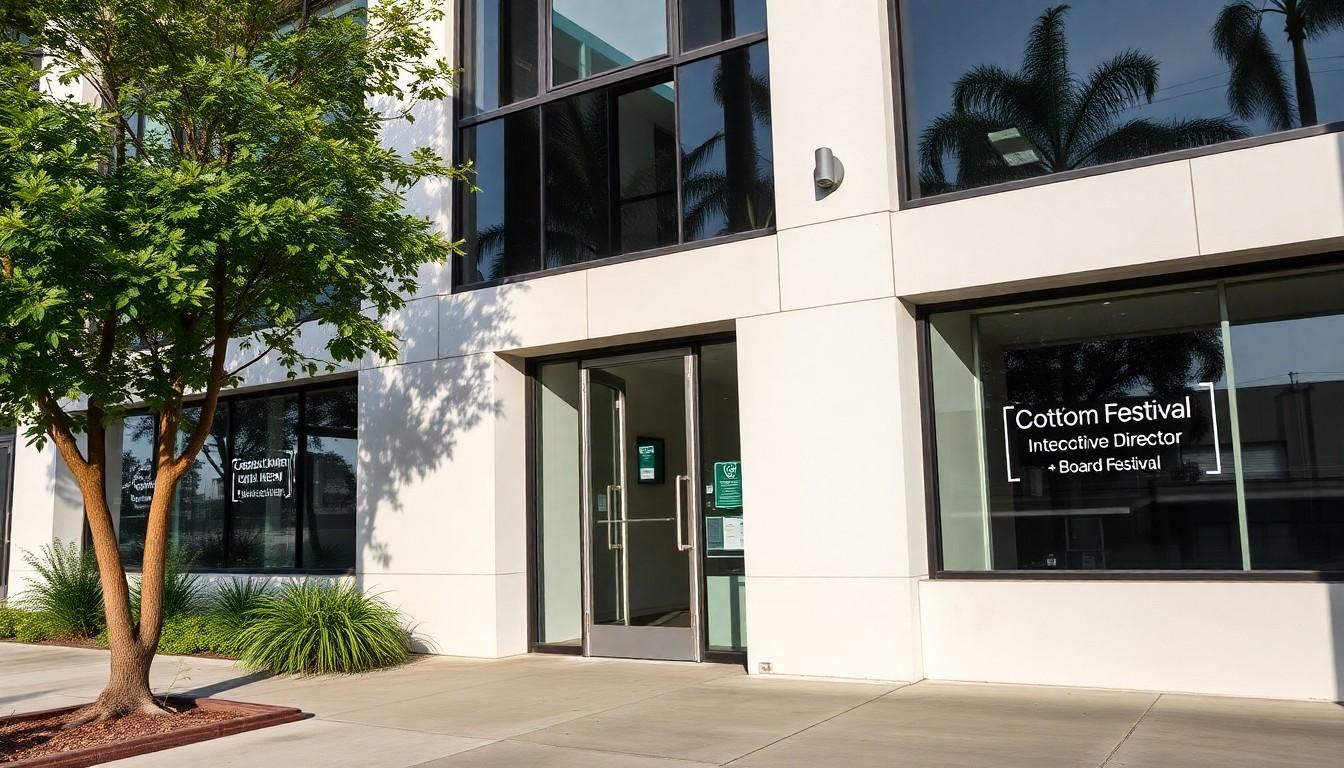
Shoppers are returning to cinema nights , Outfest staged a scaled-down, buzzy four-day OutfestNEXT in Hollywood so emerging queer filmmakers can reconnect, rebuild industry ties and find new paths to funding; it mattered because Los Angeles missed the festival’s yearly energy.
Essential Takeaways
- Scaled return: Outfest ran a compact, sold‑out four‑day programme at the Los Angeles LGBT Center’s Renberg Theatre, showcasing 30+ films and shorts with lively filmmaker Q&As.
- Leadership shakeup: A new board led by Lucas Bailey and interim director Christopher Racster is prioritising transparent finances and a sustainable model.
- Community hunger: Small, 183‑seat screenings often sold out and conversations spilled into the courtyard, signalling strong local appetite.
- Rebuilding focus: Programming, educational labs and Outfest Fusion for filmmakers of colour are key priorities as the festival seeks diverse funding.
- Practical win: For rising talents, Outfest remains a discovery platform that can lead to distribution deals and festival circuit momentum.
A compact festival with big feeling
Outfest’s summer return wasn’t the sprawling 11‑day blowout of yesteryear; instead, organisers chose a tight, four‑day run at the Renberg Theatre that felt intimate and urgent. The room is small , 183 seats , but that closeness made screenings feel electric, and chatter lingered in the courtyard well after credits rolled. For attendees, the sensory detail was simple: packed houses, director applause and the warm buzz of a community glad to be together.
The scaled format is deliberate. After a two‑year pause marked by financial strain, legal fights and staff changes, OutfestNEXT was pitched as an experimental, lower‑risk way to rebuild trust and momentum. The festival’s interim leadership views this as a testing ground: leaner schedules, concentrated curation, and more chances to learn what draws audiences and industry back.
Why leadership change matters now
Outfest’s revival has come with a new board and fresh leadership energy. Lucas Bailey, who joined last year with a background at NBCUniversal, Peacock and Netflix, is steering governance while Christopher Racster , a familiar face who led Outfest from 2011 to 2019 , runs day‑to‑day operations. They’ve made clear that stabilising the books and creating a sustainable business model is top priority.
That matters because the shuttering exposed how brittle even well‑known nonprofits can be when funding dries up. The team is trying to balance accountability with outreach: repairing relationships within the queer community while courting new allies in and beyond entertainment.
Programming choices and the festival’s role in careers
OutfestNEXT didn’t shy away from headline grabs , Gregg Araki’s new film featured alongside promising work by emerging directors , but the real win was the pipeline. Festivals are still one of the clearest ways for early‑career filmmakers to be seen by agents, buyers and distributors, and Outfest has historically been a springboard to larger festivals and deals.
For creators, the festival offered more than screenings: sold‑out rooms create momentum, conversations create contacts, and visibility in Los Angeles puts work directly in front of people who greenlight projects. Expect Outfest to lean into that function as it rebuilds, nurturing the next generation while keeping an eye on commercial realities.
Funding in a tricky climate , what’s different now
Outfest’s troubles were textbook for the cultural moment: a mix of political pressures, corporate retrenchment and internal missteps. Organisers admit they were overly reliant on corporate support, which can evaporate during industry mergers or public controversies. The new approach is diversification: smaller, recurring events, partnerships with corporations when appropriate, and an emphasis on educational programming that can attract philanthropic and institutional dollars.
This pragmatic pivot should help the festival survive future shocks. It also signals a more realistic deal‑making posture , smaller asks, clearer deliverables, and funding tied to concrete programmes like labs and Fusion.
What filmmakers and audiences can expect next
Practically speaking, Outfest plans to expand its calendar beyond this compact run. Racster has hinted at twice‑yearly OutfestNEXTs and a broader slate of single screenings and labs. For filmmakers, that means more opportunities to screen work in LA without waiting a full year; for audiences, it means smaller, more frequent moments to gather.
The festival’s focus on education , producers labs, mentoring and Outfest Fusion , aims to create longer careers, not just one‑off premieres. If organisers keep delivering packed rooms and distribution outcomes, Outfest can reassert itself as an essential stop on the circuit.
It's a small change that can make every screening count.
Source Reference Map
Story idea inspired by: [1]
Sources by paragraph: