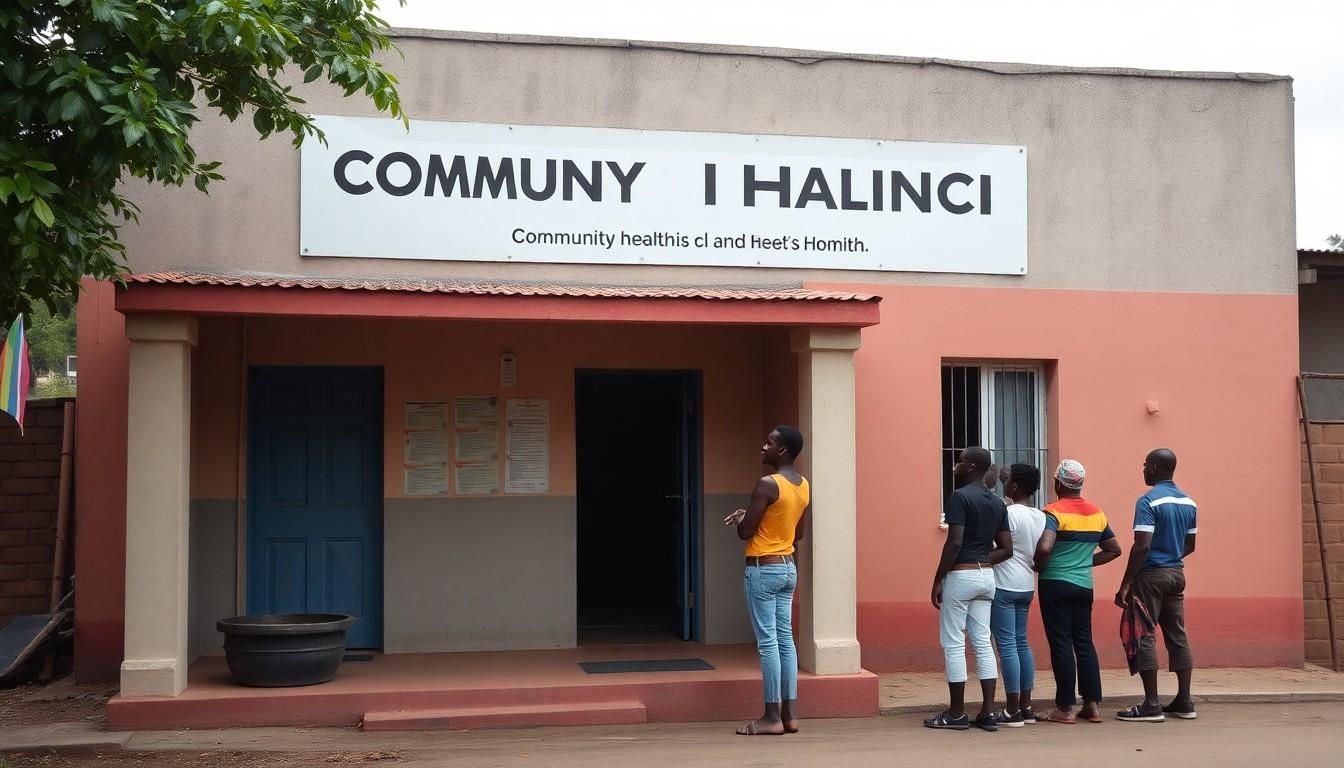
Shocking but true: activists say the biggest barrier to ending HIV among transgender people in Africa isn’t a missing pill, it’s criminalising laws, stigma and exclusion , and changing that matters for prevention, testing and treatment for communities across the continent.
Essential Takeaways
- Legal barrier: Criminalisation of same-sex relations and related laws pushes transgender people away from clinics and testing, making prevention tools harder to reach.
- Structural risks: Poverty, homelessness and lack of documentation increase exposure to HIV and reduce options for care; services feel unsafe rather than supportive.
- Community-led solutions: Transgender-led groups offer tailored outreach, peer support and safe referrals that boost testing and retention in care.
- Health worker training matters: Respectful, confidential, gender-affirming care , not just drug availability , is essential for uptake of PrEP and antiretrovirals.
- Integrated support: Housing, psychosocial help, transport and legal aid are practical parts of effective HIV prevention for transgender people.
Why laws matter more than new drugs
Start with the blunt fact: HIV science has improved dramatically, yet many transgender people still can’t use those advances because laws and fear block access. According to advocates on the ground, criminalising environments turn clinics into risky spaces where a visit might mean humiliation, exposure or even arrest. UNAIDS and WHO guidance are clear that legal and social protections are central to reaching prevention targets, but implementation lags across the region. Practical takeaway: removing punitive laws and protecting confidentiality are as important as supplying PrEP or ARVs.
The everyday barriers people actually face
If you picture access to healthcare as a simple clinic visit, you’re missing half the story. Activists describe people who are sleeping rough, lacking ID, or choosing sex work because other options aren’t there; when survival is at stake, HIV prevention drops down the list. Even when services are nominally free, transport costs, fear of outing, and prior experiences of shame make attendance unlikely. That’s why combining housing, food support and emergency funds with clinical services improves uptake and adherence.
Community-led care changes the tone of prevention
Transgender-led groups know the language, places and fears of their communities , and that knowledge saves lives. Peer navigators, safe referral networks, mobile testing and digital outreach create trust where clinics alone fail. UNAIDS strategy documents stress including affected communities in design and delivery, and practitioners say the slogan “nothing about us without us” should guide funding. Funders and governments should prioritise flexible grants to grassroots groups; when peers lead, testing and treatment rates rise.
Training health workers: small steps, big returns
A clinic staffed by a respectful, informed provider feels nothing like one staffed by a judgemental worker. Training on gender-affirming care, confidentiality and trauma-informed practice is not optional; it directly affects whether someone returns for follow-up or starts PrEP. Health systems should pair clinical guidelines with accountability measures and patient feedback loops so promises of inclusive care become lived realities. Tip for policymakers: embed transgender health modules into routine in-service training and monitor patient experience.
What reform looks like , beyond repeal
Repealing punitive laws is the obvious first move, but advocates are clear it isn’t a cure-all. Legal reform needs to be paired with data that counts transgender people ethically, investments in community-led services, and integration of social supports into HIV programmes. That means funding shelters, mental health, legal aid and transport as part of prevention packages, and ensuring data collection doesn’t expose people to harm. The long view: a rights-based response will likely deliver more durable gains than any single biomedical breakthrough.
It's a small change in policy and practice that can make every clinic visit feel safer , and every prevention tool more useful.
Source Reference Map
Story idea inspired by: [1]
Sources by paragraph: