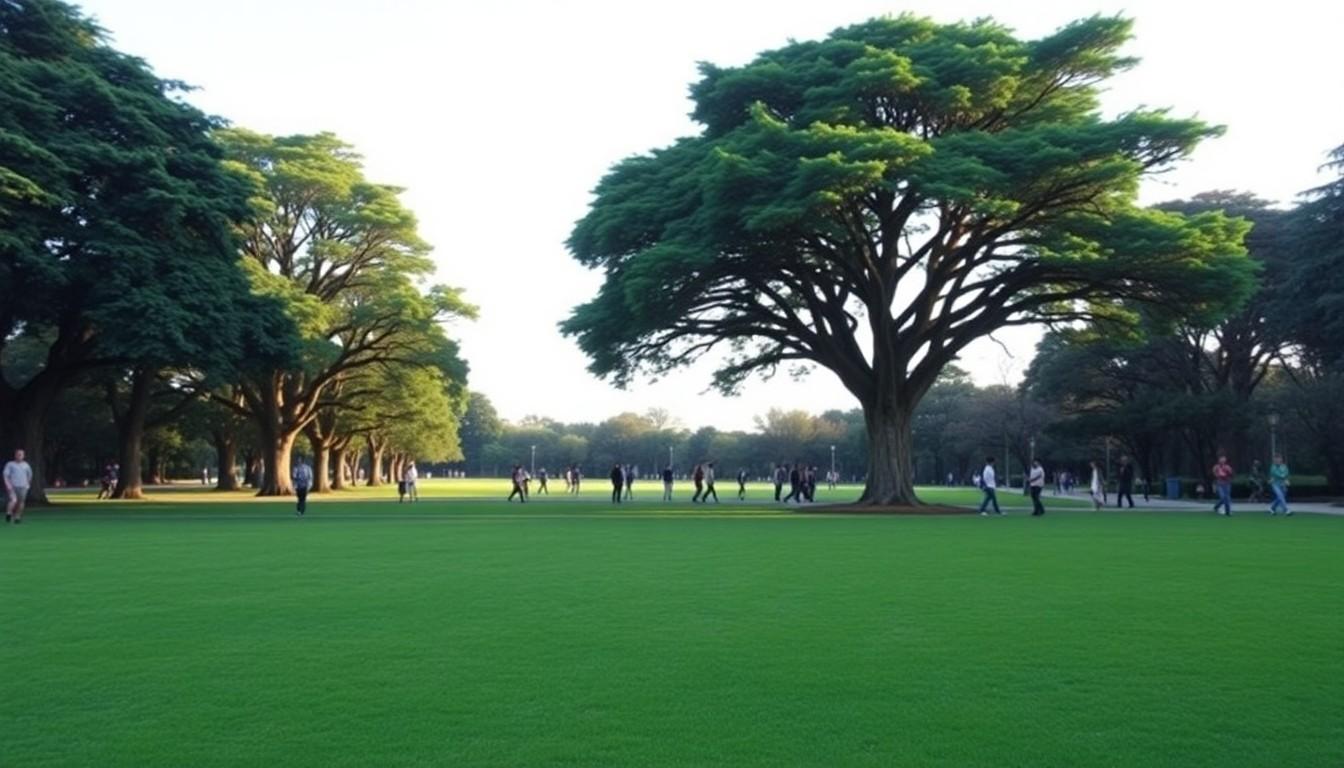
Discover how Golden Gate Park grew from windswept dunes into a 1,017-acre queer green sanctuary in the heart of San Francisco, and why it matters today for culture, ecology and community , from Pride-era gatherings to the quiet National AIDS Memorial Grove.
Essential Takeaways
- Size and scope: Golden Gate Park spans over 1,017 acres, larger than Central Park and stretching three miles to the Pacific.
- Queer history: The park hosted key LGBTQ+ moments , early Gay-Ins, Gay Freedom Day rallies, and the first Gay Games at Kezar Stadium.
- Living memorial: The National AIDS Memorial Grove is a ten-acre, volunteer-built sanctuary for remembrance and healing, designated a national memorial.
- Horticultural legacy: Influential queer and queer-adjacent gardeners and designers helped shape the park’s landscape and collections.
- Queer ecology: The park embodies queer ecology principles , blending engineered design and wildness, and reclaiming “unnatural” space.
From sand dunes to emerald corridor , a sensory origin story
Golden Gate Park began as a bold Victorian-era gamble: create a lush urban park on barren ocean sands. Walk in today and you feel it , salty onshore breezes, eucalyptus scent, and a soft, engineered wildness underfoot. According to historical accounts, planners and horticulturalists worked for decades to stabilise dunes and plant groves, turning what was once inhospitable into a layered landscape of gardens, meadows and museums. This transformation matters because it set the stage for both public recreation and radical social life, offering wide-open spaces where people could gather, celebrate and organise.
Why the park is central to queer public life
Golden Gate Park has long been more than a backdrop; it's been a meeting place, a stage and a refuge. From the late 1960s counterculture gatherings that loosened social strictures to the June 1970 Gay-In that helped seed modern Pride, the park offered visible, outdoor space at a time indoor venues were policed or unsafe. Kezar Stadium’s hosting of the inaugural Gay Games in 1982 cemented that role internationally. For queer communities, large parks like this have provided both joyful visibility and practical room for protest, sport and ceremony.
Gardens, designers and queer stewardship
The park’s look and feel owe a lot to a generation of designers and horticulturalists who were often part of bohemian and queer-adjacent networks. Early figures in landscape, architecture and botany nurtured the park’s collections and public amenities, while contemporary stewards keep things resilient and accessible. Garden directors and curators now emphasise climate-smart plantings, rare species conservation and inclusive programming , all of which keep the park feeling both historic and alive. If you’re planning a visit, pick the Botanical Garden or Conservatory of Flowers on cooler, breezy days to enjoy microclimates and fragrant plantings.
The National AIDS Memorial Grove , grief turned into green architecture
Tucked into a ravine, the National AIDS Memorial Grove is a calm, ten-acre testament to community-driven care. Conceived at the height of the AIDS crisis and built largely by volunteers, the grove uses engraved stone portals, redwood canopies and winding paths to honour lives lost and to foster healing. It’s a rare public example of memorial design that’s meant to be tended, not locked away , volunteers still maintain the terraces and plantings, and visitors often describe the space as quietly restorative. For anyone wanting a meaningful stop, the grove is best visited in late afternoon light when the redwoods glow.
Queer ecology in practice , why the park is more than a cultural landmark
Golden Gate Park exemplifies queer ecology: it challenges tidy binaries between natural and artificial, public and private, order and fluidity. The park reclaimed “unnatural” land, layered formal gardens over wild meadows, and hosts species and cultural practices that cross conventional boundaries. That blend is reflected in how events, art and activism continue to mingle with everyday park life. Practical tip: whether you’re heading to a Pride event or a quiet picnic, think about timing and placement , meadows offer sun and openness, while tree-lined groves provide shelter and cooler air.
How to visit with respect and curiosity
Plan for microclimates , layers of parkland can be much cooler or windier than nearby neighbourhoods. If you want quieter reflection, visit the National AIDS Memorial Grove on a weekday morning or volunteer for a grove workday. For festival energy, summer weekends bring concerts and community gatherings across vast lawns. And remember: the park’s history is collective. Treat memorial spaces with reverence, follow posted rules during large events, and support local conservation or volunteer programmes if you can.
It's a small change to plan your visit with history in mind, but it makes every walk through this queer green space feel richer.
Source Reference Map
Story idea inspired by: [1]
Sources by paragraph: