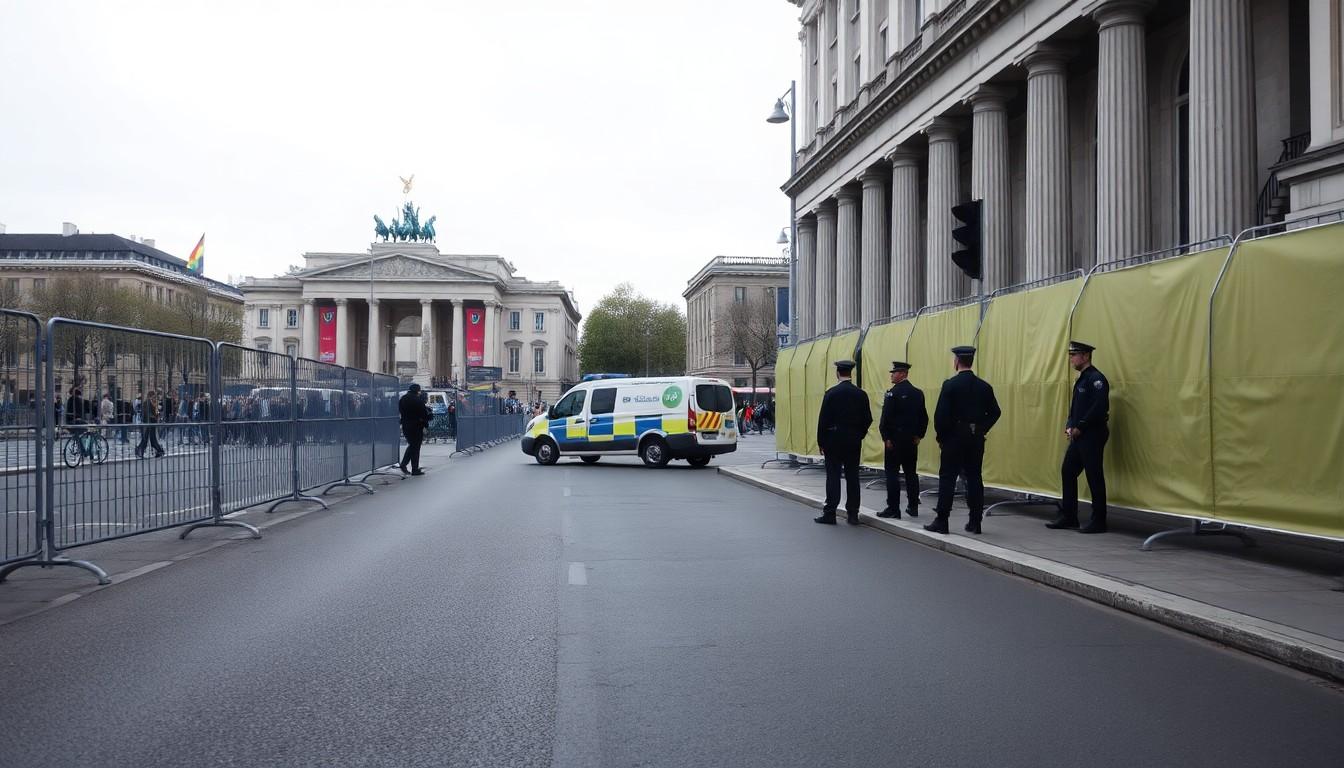
Shoppers and revelers in Berlin are sensing a sober turn: organisers have cancelled the Zug der Liebe technoparade this year after the recent deadly attack at a Pride gathering, citing safety concerns, logistical headaches and a desire to honour the parade’s spirit of openness rather than clamp down with heavy security.
Essential Takeaways
- Event cancelled: Zug der Liebe will not run this year, organisers announced, after planning for an end-of-August technoparade.
- Safety and principle: Heavy security measures expected after a deadly ramming attack at a Pride event would, organisers say, conflict with the parade’s message of tolerance.
- Scale and mood: The parade drew roughly 10,000 people last year and is as much a political demonstration as a party, so the decision carries civic as well as cultural weight.
- Alternative activism: Instead of the parade, organisers are backing other forms of commemoration and protest that fit the parade’s values.
- Logistics also cited: Bureaucratic and organisational hurdles compounded security worries, making cancellation the pragmatic choice.
Why organisers pulled the plug , safety, spirit and practicality
The sharpest fact is simple: the technoparade was called off because the mood in the city changed after a vehicle attack at a Pride event left people dead and dozens hurt. According to local reports, authorities later shot the suspected attacker, who was accused of being linked to extremist ideology. Organisers say that the kind of fortress-like security that might be expected now would be at odds with a parade built around openness and solidarity. It’s a humane, if tough, choice , trading one loud celebration for quieter, values-driven responses.
What Zug der Liebe has traditionally stood for
Zug der Liebe isn’t just a party with loud beats; it’s a political music march with calls for diversity and solidarity. Past editions have attracted around ten thousand people, mixing DJs, colourful floats and campaigning groups. That blend is part of why heavy barriers and armed checkpoints feel wrong to the people behind the event , it would change the atmosphere from inclusive to defensive. You can see why the switch from festival to fortress matters to participants.
How this fits a wider pattern across Berlin’s Pride scene
Berlin has been adjusting to an uneasy rhythm: public commemorations and Pride events have been under fresh scrutiny since the attack. Organisers of other Pride activities have already reshaped plans , some cancelling, some moving to indoor or low-key formats , while municipal authorities juggle security and civil liberties. According to media coverage, a few major Pride fixtures elsewhere have also paused or rethought their staging, a trend that underlines the trickiness of hosting mass, celebratory protests in a tense moment.
Practical choices for would-be attendees and supporters
If you were planning to join the parade, there are simple options that still let you take part. Follow organisers’ updates for endorsed alternative gatherings, sign petitions, attend memorials, or donate to survivor funds and community groups. Smaller vigils and curated talks can preserve the parade’s message without the mass crowds that now feel vulnerable. If you do attend any public event, check transport changes, give yourself extra time and be mindful of official safety advice.
What the decision says about protest culture and resilience
Cancelling a flagship march is painful, but it’s also a deliberate statement: the movement prefers continuing activism in forms that don’t betray its ideals. In that sense, backing other demonstrations and commemorations keeps the message alive, just in different clothes. It’s a reminder that protest is adaptive , sometimes loud, sometimes quiet , and that communities often choose safety and principle over spectacle when the stakes are high.
It's a small change that can make every commemoration feel more thoughtful and safer.
Source Reference Map
Story idea inspired by: [1]
Sources by paragraph: