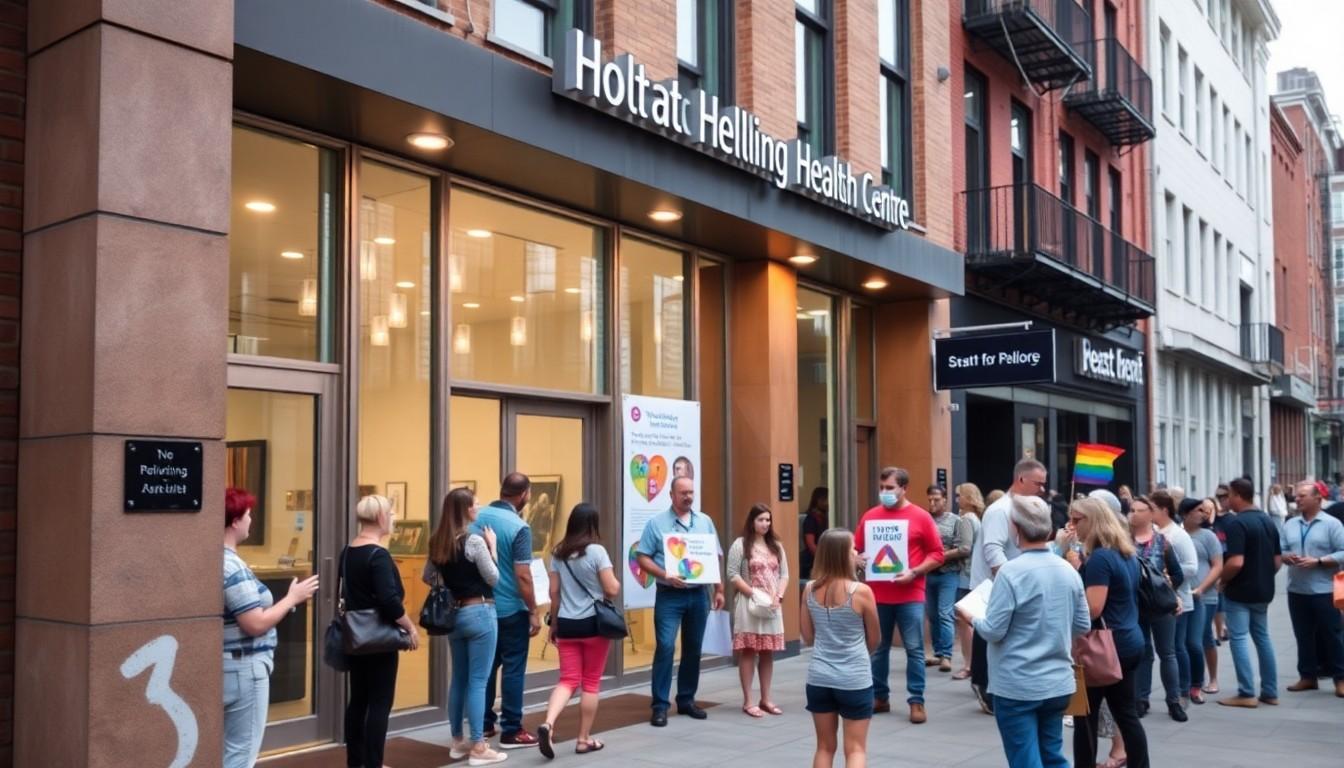
Celebrate the sparkle , Strut’s decade in the Castro has become a blueprint for queer-centred health and social life, mixing PrEP access, gender-affirming care and lively community programming that keeps people connected and cared for. Here’s why the milestone matters and what it means for local care.
Essential Takeaways
- Established presence: Strut opened at 470 Castro Street in 2016 and marks ten years as a visible, walk-in health hub.
- Broad services: The centre offers sexual health testing, PrEP, Doxy PEP approaches, harm reduction and gender-affirming care, plus an on-site pharmacy.
- Community first: Programming ranges from Tea Dances to art shows and multigenerational events, creating social spaces as well as clinical ones.
- High reach: Tens of thousands of clients have been served, signalling strong uptake and trust among local LGBTQ+ residents.
- Accessible vibe: The centre’s mix of clinical services and social events makes care feel less clinical and more inviting.
A tea dance with a purpose: celebration and care in equal measure
Strut marked its tenth anniversary with a community Tea Dance in the Castro, hosted by local figures Honey Mahogany and Nikki Jizz , a warm, lively moment that felt more like a block party than a clinic open day. The scene was playful and bright, with people reconnecting across generations, and that’s exactly the point: the centre is as much about social gathering as it is about treatment.
According to reporting from the San Francisco Bay Times, the event paid tribute to long-standing queer traditions, while also highlighting how Strut blends cultural programming with healthcare. It’s a clear reminder that community events do more than entertain; they lower barriers to care by making people comfortable and seen.
How Strut changed the local care map
When Strut opened its doors in 2016 under the San Francisco AIDS Foundation’s stewardship, it aimed to do something different: collapse the distance between prevention services and the community that needs them. Over the past decade, the centre has rolled out broad PrEP access, experimented with pragmatic Doxy PEP regimens and, most recently, launched a full-service on-site pharmacy to streamline access.
The San Francisco AIDS Foundation’s coverage of the anniversary points to real impact , tens of thousands of clients served , which indicates that community-centred models can scale and sustain. For anyone wondering whether local clinics still matter in an app-driven era, Strut’s model suggests they do, especially when clinics double as social anchors.
Beyond the clinic: programming that builds trust
What sets Strut apart is the mix of arts, nightlife and health. From art exhibitions to themed nights, Strut’s calendar reads like a cultural microcosm of the Castro. Those programmes aren’t fluff; they build rapport, normalise conversations about sexual health and create soft entry points for people who might otherwise avoid clinical settings.
Organisers and attendees alike note that events , whether it’s a Tea Dance or a DJ night , help bridge generational gaps and make younger people more likely to ask about PrEP or testing. If you’re choosing a service, look for places that combine outreach with reliable clinical pathways: that blend is often the hardest to replicate but the most effective.
Practical takeaways for people seeking care
If you’re considering Strut or a similar centre, here are a few simple tips. First, check whether the site offers walk-in testing and same-day PrEP starts; that immediate access matters if you want prompt protection. Second, ask about on-site pharmacy services to avoid extra trips for prescriptions. Third, look at the calendar , events are a useful way to meet staff informally and learn about services without an appointment.
For carers and allies, remember that flexibility helps: offer to attend events with a friend, or call ahead to confirm services. Community hubs thrive when people use both the social and the clinical sides.
What’s next: sustaining momentum in a changing landscape
Strut’s tenth anniversary is both a celebration and a checkpoint. With healthcare delivery and prevention science evolving fast, centres like this will need steady funding, community engagement and nimble service design to stay relevant. The San Francisco AIDS Foundation’s continued support has been crucial, and the local appetite for culturally competent care looks strong.
Looking forward, the hope is that Strut’s model will inspire replication elsewhere , small, welcoming hubs that prioritise dignity and access. For the Castro, the centre remains a bright, resilient fixture.
It's a small change that can make every visit feel safer and more human.
Source Reference Map
Story idea inspired by: [1]
Sources by paragraph: