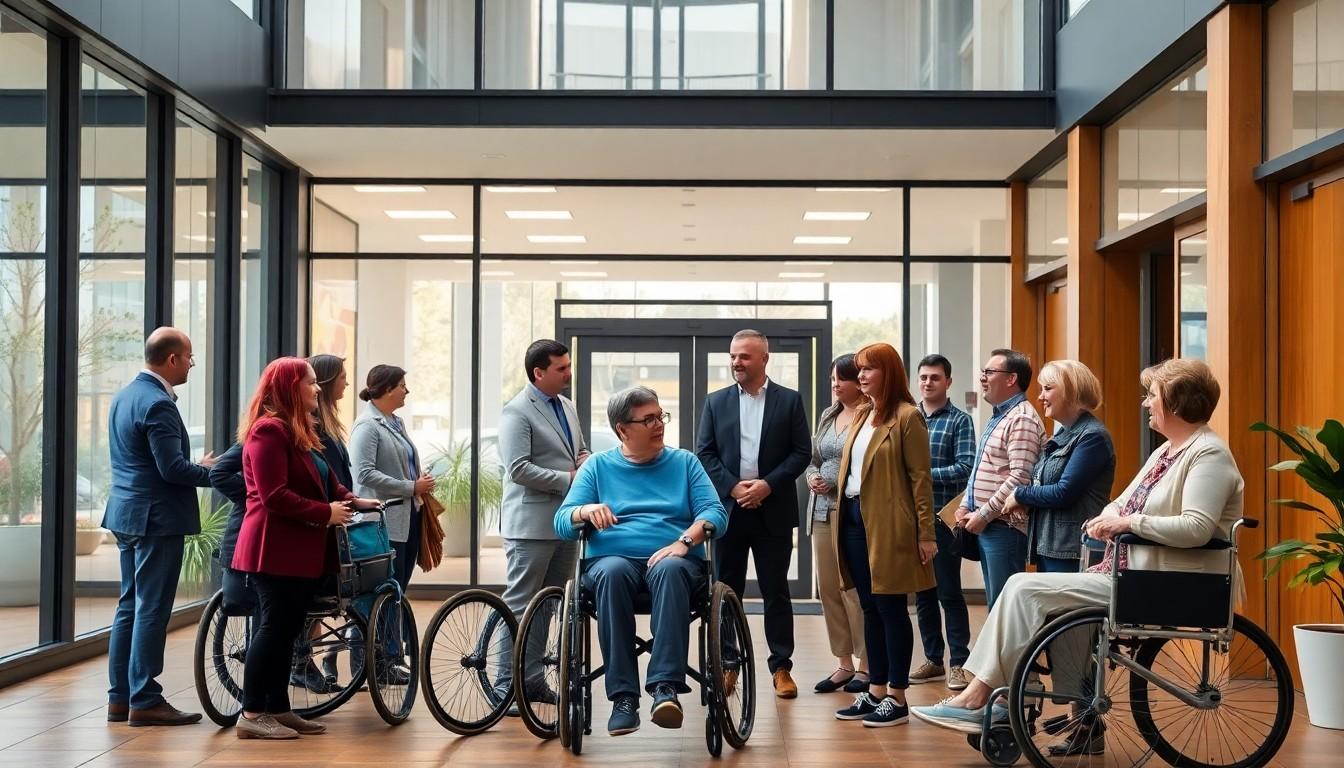
Shoppers and society are waking up: People With Disability Australia (PWDA) has launched the Community Attitudes project, a national education and awareness programme designed to make workplaces and communities more accessible and affirming for LGBTQIA+ people with disability , practical, visible steps that could change everyday experiences.
Essential Takeaways
- National reach: PWDA’s Community Attitudes is a federally funded programme running through 2026, offering e-learning, webinars and resources for workplaces and communities.
- Free learning: Module 1 on rights, self-advocacy and speaking up is available now online, with a second storytelling module coming later in the year.
- Practical focus: The project delivers concrete tools , accessible e-learning, webinars and a creative storytelling competition , to challenge discrimination and improve inclusion.
- Community-centred: The initiative foregrounds lived experience, peer support and creative work, including commissioned artwork by Essa Chingell that celebrates intersecting identities.
- Who it’s for: Allies, employers, educators, service providers and LGBTQIA+ people with disability are all invited to take part; webinars are scheduled across 2026.
Why this matters now: lived experience meets national action
PWDA’s new programme responds to a national survey that laid out the day-to-day barriers LGBTQIA+ people with disability face , exclusion, inaccessible spaces and discrimination. That survey framed the problem in human terms, and Community Attitudes is the answer: practical education and public storytelling designed to shift how people behave and how services operate. It’s one thing to know policy exists; it’s another to see real people’s stories change a workplace meeting or a classroom culture.
Start here: what Module 1 teaches and who should take it
The first e-learning module focuses on rights, self-advocacy and how to speak up safely. It’s short, free and self-paced, so it’s easy for someone juggling work, study or care to complete. Employers and service providers will find it useful too , understanding what a person might need to disclose, or not, matters when planning adjustments. If you’re an ally, take the course to learn practical language and steps that make a workplace genuinely accessible.
Storytelling as a tool: Module 2 and the creative competition
PWDA is doubling down on storytelling because stories change attitudes in ways stats alone don’t. Module 2 will coach LGBTQIA+ people with disability on telling their experiences safely and powerfully, while a national creative storytelling competition will invite entries about belonging, identity and overcoming barriers. Expect to see intimate, honest work that humanises policy debates and nudges audiences toward empathy.
Webinars and workplace change: practical sessions for organisations
Four webinars across 2026 will cover intersectionality, accessible and affirming spaces, and how to be an ally. They’re pitched at government staff, universities, charities and small businesses , basically anyone who runs a service or hires people. For organisations, registering staff for one of these sessions is a simple first step toward embedding inclusion policies that actually work, rather than just sitting in a handbook.
Art, visibility and the human touch
PWDA commissioned Essa Chingell to create a piece titled 'To be held' that celebrates queer care and the ties between disability and queerness. Art like this does something practical: it signals that inclusion isn’t just a checkbox, it’s cultural work. When art appears on training pages or at conferences, it helps people who might feel invisible know they’re seen , and that matters when you’re trying to change attitudes.
Wrap-up It’s a small change that can make every community and workplace a bit more welcoming , and it’s one people can join right now.
Source Reference Map
Story idea inspired by: [1]
Sources by paragraph: