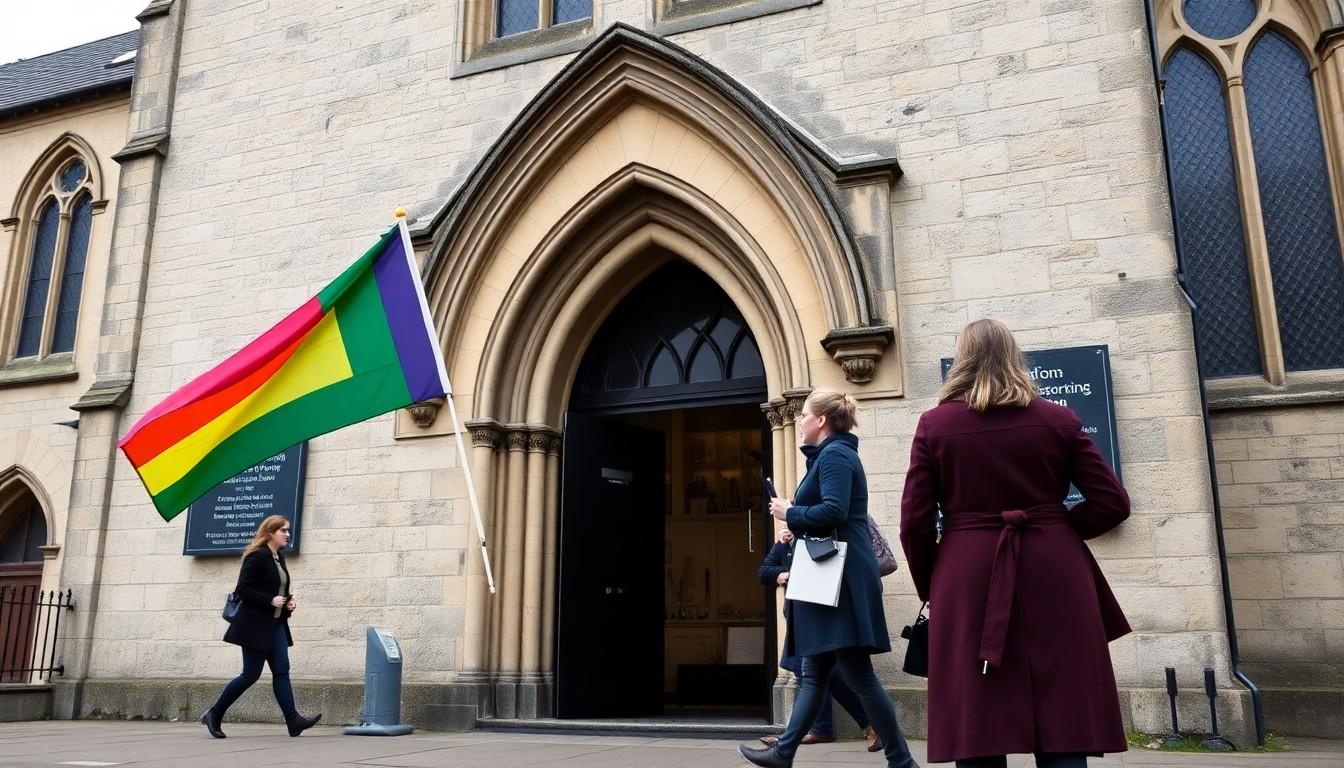
Shoppers for change , churchgoers and LGBTQI+ Anglicans are increasingly pushing for the Church of England to amend the Marriage Canon so same-sex couples can marry in church; what matters now is who will open the door and how quickly bishops will act.
Essential takeaways
- Current push: Campaigners now see amending the Marriage Canon as the clearest route to full inclusion of LGBTQI+ people in the Church of England.
- Bishops hold the key: The House of Bishops’ voting patterns show it is the primary institutional barrier to change, with attendance and shifts in votes provoking frustration.
- New bodies formed: Synod approved two new working groups to follow up the Living in Love and Faith (LLF) process, but membership and timelines remain patchy.
- Pastoral measures aren’t enough: Approved prayers and pastoral guidance are used in places but are seen as stopgaps by progressives wanting full recognition.
- Practical pressure point: Progressive clergy and laity are weighing whether to press bishops publicly, quietly expand local practice, or pursue formal amendment tactics.
Why the Marriage Canon is the frontline now
Opening with an obvious truth: language in canon law defines who is visibly loved and recognised in church settings, and that matters in a tactile, emotional way , it tells you whether your vows will be spoken where you worship. According to reporting and recent synod business, campaigners have concluded that the way forward is direct and structural: change the Marriage Canon so same-sex couples can marry in church.
The backstory is plain. The Church spent years on Living in Love and Faith, and Synod has now closed that programme while setting up successor groups to take forward relationships, sexuality and gender work. But many LGBT Anglicans and allies feel that pastoral guidance and experimental prayers only paper over a deeper exclusion; they want equal liturgical and legal standing. If the canon changes, marriages are public, legal and sacramental in a way a private blessing never can be.
Who’s blocking progress , and where were the bishops?
The House of Bishops’ recent voting behaviour has become the lightning rod. Only 29 bishops voted at the close of a key debate where both Houses of Clergy and Laity backed an amended motion; of those bishops, opinions shifted between rounds. Some moved to support, others flipped to oppose, and a sizeable number didn’t vote at all. That absence , which reporters and commentators have scrutinised , leaves congregations asking where episcopal leadership actually is.
Context matters: vacant sees, bishops on leave or in other duties reduce the voting pool, and acting bishops can’t vote. But even allowing for that, the pattern suggested hesitancy and internal pressure. For campaigners who’ve spent decades engaging with bishops in good faith, this felt like a critical moment. The question on everyone’s lips is practical as well as moral: will bishops use new working groups to unlock change, or stall with more consultation?
Are the new working groups a genuine plan or a holding action?
Synod agreed to two bodies to carry the unfinished LLF work forward: a Relationships, Sexuality and Gender Working Group and a Pastoral Consultative Group. The pastoral group has named members and a start date; the working group’s membership and timetable are still unpublished. That unevenness gives pause.
There’s precedent for pastoral tools making a practical difference , prayers of thanksgiving and blessing were approved and pastoral guidance has been issued , but those measures aren’t the same as full marriage. According to Church of England press releases, pastoral guidance aims to help clergy and dioceses navigate local practice. Campaigners say that while helpful, these steps were never intended to replace a legal change that confers equality across the board.
So the practical insight is straightforward: if you want uniform rights, you need canon amendment. If you want local flexibility sooner, you can work with pastoral resources , but expect inconsistency across dioceses.
What tactics are activists and clergy considering now?
Progressive clergy and laity have options, each with trade-offs. Some are quietly using creative liturgies and unapproved material because it meets pastoral needs now; others are forming public pressure campaigns that call bishops to account. There’s a legalistic route too: encourage Synod members to put formal motions on the table that explicitly seek amendment of the Marriage Canon.
People who’ve lived with partial measures for decades are less inclined to patience. They point out that bishops have for years invited clergy’s partners to official events in private, suggesting an informal tolerance that isn’t reflected in public policy. The practical advice for congregations is to check diocesan guidance, talk with your clergy, and consider whether local services of celebration could be arranged while the wider legal change is pursued.
How this feels on the ground , pastoral realities and next steps
Emotionally, this is about recognition , not abstract theology. For same-sex couples who’ve been faithful members, the lack of an option to marry in church creates a small but constant grief. That’s why the campaigners’ demand to move from pastoral workaround to full canon change carries a moral urgency.
Looking forward, expect a period of intensified organising: letters to bishops, targeted Synod campaigning, and public storytelling about the pastoral harms of the current arrangements. The House of Bishops’ new groups will be watched closely; transparency about membership and timetables will be a key metric for trust. If bishops act quickly, the church could close the gap between private tolerance and public sacramental equality. If they don’t, expect more robust calls for reform.
It's a small change that could make every wedding in church a clear, equal celebration.
Source Reference Map
Story idea inspired by: [1]
Sources by paragraph: