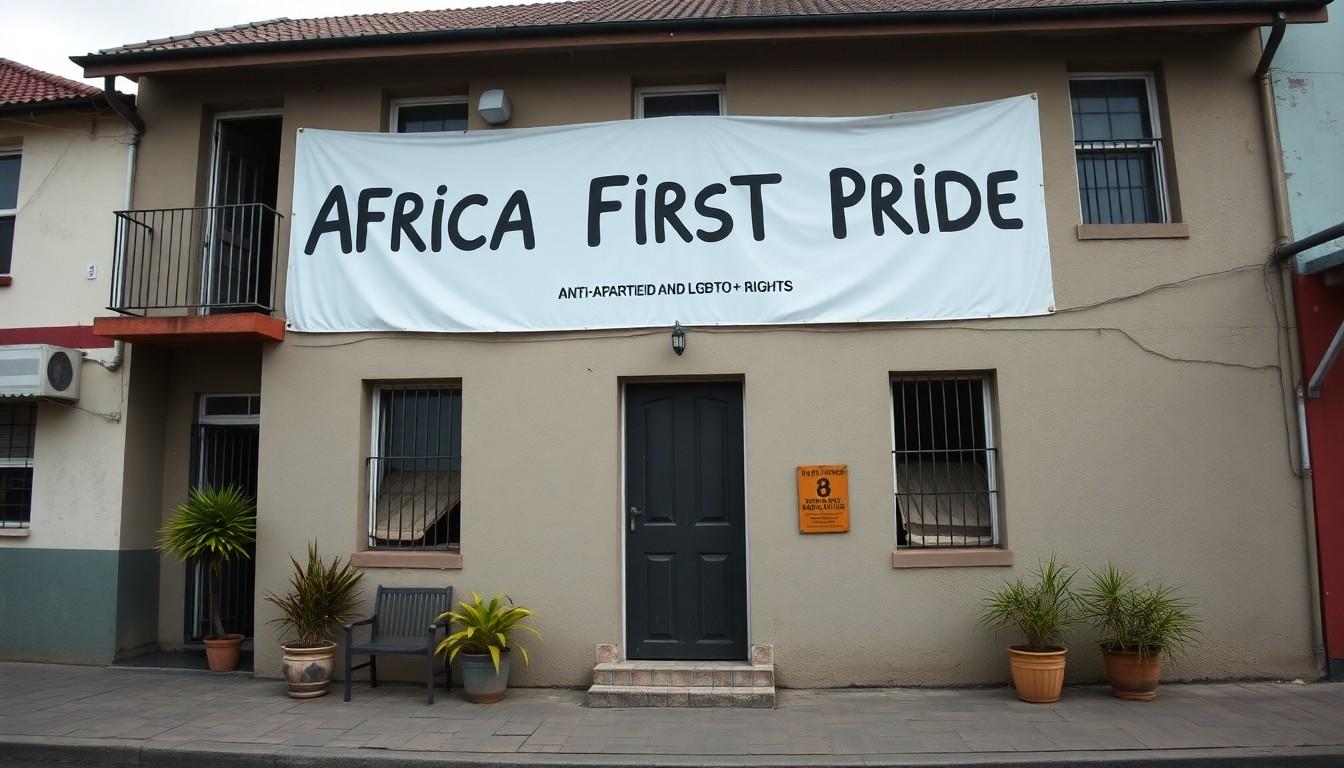
Observe how one life bridged two struggles: Simon Nkoli, a proud Black gay activist from South Africa, who fought apartheid and built the foundations for queer organising , a story that matters now as World Pride brings politics and party together in Amsterdam.
Essential Takeaways
- Trailblazer: Simon Nkoli combined anti‑apartheid organising with LGBTQ+ activism, refusing to separate racial and sexual justice.
- Founder energy: He helped establish key organisations and organised some of Africa’s first visible Pride actions, with a bold, public presence.
- Personal courage: Arrests, violence and prison didn’t silence him; his calm conviction and warm humour made him a natural leader.
- Global legacy: Nkoli’s story resonates today during World Pride, reminding activists that rights are interconnected and victories fragile.
- Practical note: For educators and organisers, Nkoli’s model shows the value of coalition‑building, visible leadership, and storytelling to shift public opinion.
A life that refused to be boxed in
Simon Nkoli’s life reads like a lesson in refusing easy categories, and there’s something quietly fierce about that. Born and raised under the brutal machinery of apartheid, he became politically active as a young man and didn’t drop one cause for another. According to biographies and historical profiles, Nkoli moved seamlessly between anti‑apartheid groups and the nascent gay rights movement in South Africa, arguing that freedom couldn’t be partial. That insistence , that your liberation is wrapped up in mine , is what made him both controversial and beloved. If you want a practical takeaway for today’s activism, it’s this: cross‑movement solidarity matters. Nkoli showed that building alliances with labour, anti‑racist campaigns and queer collectives creates resilience when rights are attacked.
From township meetings to Pride marches
Nkoli’s organising started locally, in meetings and community spaces where ideas translate into action. He later helped create and lead organisations that gave queer people a public voice at a time when visibility was dangerous. Histories and journalistic profiles note that his role in early Pride events , and in the struggle to make those events safe and political , helped normalise queer presence in South Africa’s public life. He organised actions that were as much about demanding rights as they were about being seen and celebrated. For organisers today, the lesson is practical: visibility and safety go hand in hand. Plan logistics, build local partnerships, and think about legal protections as you plan rallies or festivals.
Prison, persecution and unexpected alliances
Nkoli’s activism attracted repression; he was jailed and harassed, and his life was threatened. Yet those hardships also revealed a pragmatic side: he forged alliances across unexpected lines, including with other prisoners and anti‑apartheid figures who came to respect his steadfastness. Academic accounts and memorial pieces underline how his dignity under pressure broadened sympathy for gay rights among people who might otherwise have been indifferent. That shift in public sentiment , slow, human and rooted in relationships , is exactly what sustained later legal and cultural victories. So if you’re campaigning now, remember that personal integrity and everyday courtesy can win hearts. Change isn’t only legal briefs and headlines; it’s conversations in queues and on buses.
How Nkoli’s story echoes in today’s movements
As World Pride centers politics and partying in Amsterdam, Nkoli’s approach feels timely: fight oppression in all its forms and make space to celebrate the people you’re fighting for. Commentators and queer historians have pointed out that where movements stay siloed, opponents pick them off one by one. Nkoli’s legacy also raises practical questions for funders and organisers: invest in leadership that reflects multiple identities, and support community structures that survive beyond headline moments. That redundancy , local groups, national advocacy, cultural storytelling , is what hardened movements against setbacks. Expect his story to be taught, staged and sung; recent cultural projects have honoured his life, and each retelling chips away at stigma.
Where his influence shows up today
You’ll see Nkoli’s fingerprints in South Africa’s proud, if imperfect, queer landscape: in legal gains, in community centres, and in the way Pride can be both protest and party. Internationally, his example is a reminder to activists juggling multiple battles that intersectional organising isn’t theoretical , it’s effective. For anyone organising an event or a campaign now, take a moment to centre voices who live at the crossroads of struggles. Not only is that fair, it’s strategic: movements that reflect the complexity of people’s lives tend to last longer. And, perhaps most humanly, his life reminds us that dignity, humour and friendship matter as much as strategy.
It's a small but powerful reminder: freedom for one is stronger when it includes everyone.
Source Reference Map
Story idea inspired by: [1]
Sources by paragraph: