Shoppers are turning to stories that prove sapphic people are everywhere; Elaine Burnes takes us to Western Massachusetts to show why this leafy, activist-rich corner of the US still feels like refuge , and what to expect if you visit, move or write about it.
Essential Takeaways
- Queer density: Western Massachusetts has long been a hub for lesbians and queer communities, with visible neighbourhoods and cultural life that feel welcoming.
- Nature as balm: Vast forests, lakes and the Quabbin Reservoir offer quiet, restorative spaces and surprising wildlife , moose, loons and roaming bears.
- Progressive politics, local tensions: The region is broadly progressive but not immune to right-wing neighbours or statewide pushbacks.
- Practical realities: Expect long drives, limited public transport and fewer jobs in some rural towns, but an abundance of local farms, cafes and community spirit.
- Home projects: Rewilding and small-scale conservation are part of daily life for many residents, with real, hands-on satisfaction.
A queer haven with a rural heartbeat
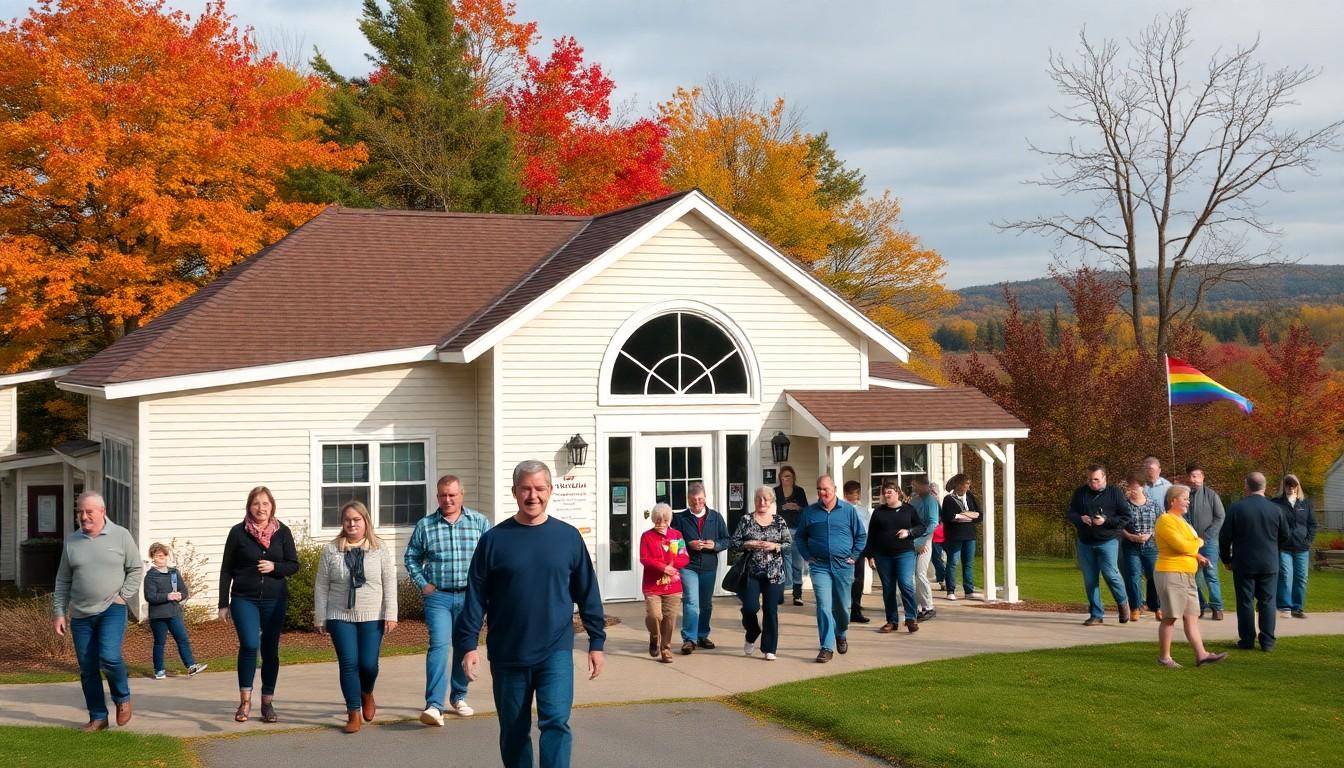
Western Massachusetts has a soft, lived-in generosity that shows up in towns and on trails, not just at Pride events. According to long-time residents, queer people of many stripes have put down roots here for decades, drawn by a mix of activist history and tolerant small-town culture. That mix is sensory: the smell of woodsmoke on an autumn morning, the sight of rainbow flags in a general store window, the easy greeting from a neighbour on a dirt road.
The region’s past activism , from anti-nuclear organising to feminist collectives , helps explain why so many feel at home. Northampton, for instance, has a reputation that travels: it’s shorthand for “Lesbianville” in affectionate, community-building ways. If you’re plotting a move or a book set here, that background gives you political texture and a reassuring feeling that queer life is visible and normal.
Quabbin and other wild places that ground you
If there’s one single must-see, it’s Quabbin Reservoir: an accidental wilderness created in the 1930s that now reads like a cathedral of trees and water. Walkers find former roads turned to trails and stone foundations that whisper history; birdwatchers will keep a soft eye out for loons and eagles. The natural world here is tactile , mud under boots, the quiet splash of a paddle, the sudden hush when a deer freezes , and it gives residents a place to breathe through national turmoil.
That closeness to nature shapes local life. Rewilding projects, native-plant gardens and small-scale farming aren’t hobbyist luxuries, they’re part of a community ethic. For writers, the landscape offers metaphors as rich as the soil: loss, resilience, reclamation.
Politics in practice: progressive heart, imperfect edges
Massachusetts is generally progressive , the state’s early moves on marriage equality are still part of the local story , but rural western towns show how nuance matters. Residents report friendly neighbours and active protest culture, yet also visible signs of political difference: flags, truck decals and shopfronts that remind you not everyone agrees. That tension is lived rather than theatrical; you’ll find kindness alongside quiet disagreement.
National trends matter here too. Organisations such as the ACLU and Human Rights Campaign have documented waves of legislative attacks on LGBTQ+ rights, and local communities often respond with rallies and sustained civic organising. For anyone thinking about safety and belonging, the takeaway is pragmatic: community networks and sustained local activism are as important as legal protections.
Everyday logistics: what living here actually looks like
Life in western Mass. means driving , a lot , but without gridlock. People trade commute stress for scenic routes and “rush minutes” rather than rush hours. Public transport is sparse outside the cities, and finding tradespeople or certain jobs can be a challenge. The population skews older and, in places, less diverse than suburban Boston.
On the upside, local food culture is decadent in the best way: farmers’ markets, small bakeries, maple syrup from general stores and coffee from regional roasters. If you value fresh produce, local meat and community cafes, you’ll feel well fed and sociable.
How to visit, move or write about it , practical tips
If you’re visiting, aim to spend time outdoors and schedule a Quabbin day; bring good boots and binoculars. If you’re moving, budget for a car, check broadband in advance, and connect with local community centres or queer groups before you arrive. Writers should soak up the landscape and the local dialect , the way people talk about “general stores” or “the woods” tells you as much as politics does.
And if you’re looking for hope in a fraught national moment, bring your protest sign , towns here have a history of organising and they keep at it through cold and heat alike. It’s the sort of place where neighbours turn out, where a weekly standstill becomes a long-term habit.
It's a small change that can make where you live feel a lot more like home.
Source Reference Map
Story idea inspired by: [1]
Sources by paragraph: