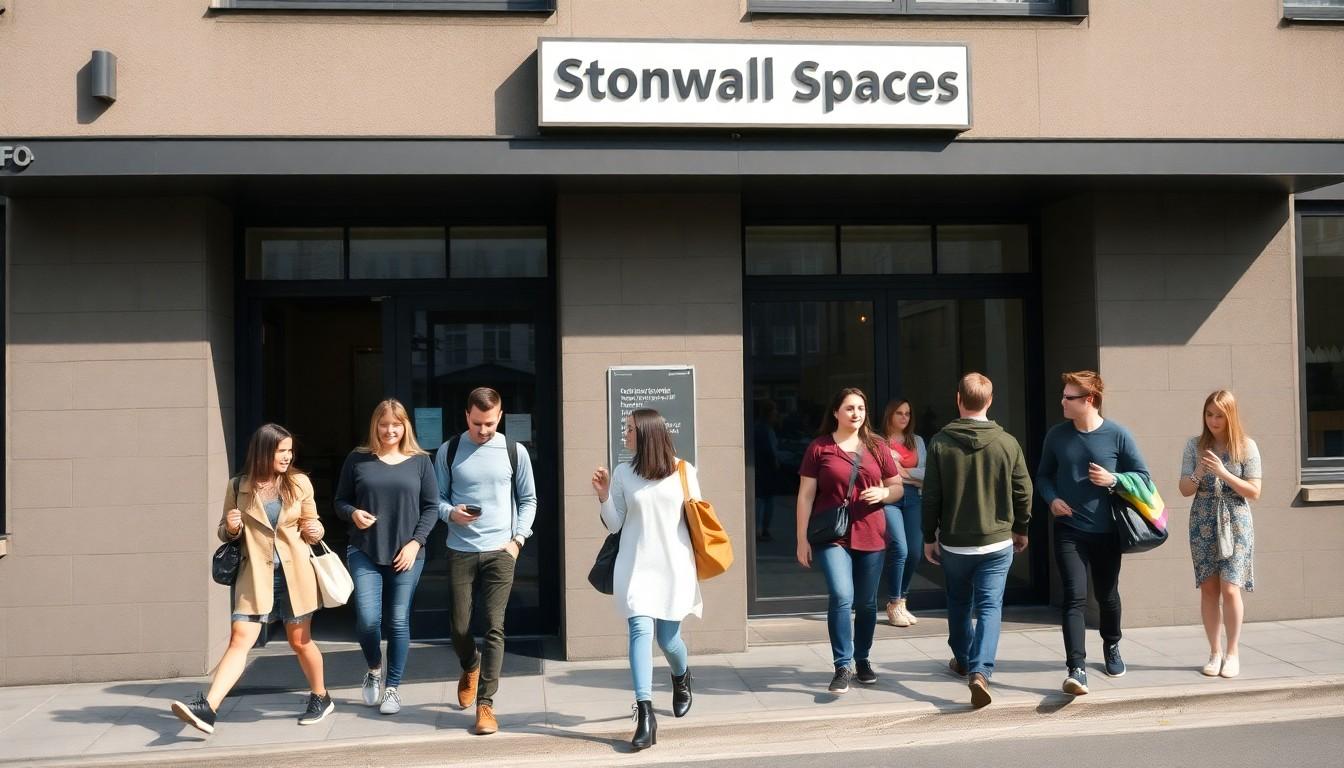
Shoppers and locals are already starting to link up: a new Stonewall Spaces site helps people and businesses share bars, cafes and venues so young HBTQI people can find safe, local meeting places , a practical response to a shortage that’s worst in rural Sweden and matters for rights and wellbeing.
Essential Takeaways
- Widespread gap: Around three in four Swedish municipalities lack dedicated meeting places for young HBTQI people, with rural areas most affected.
- Simple matchmaking: Stonewall Spaces lets private organisers and venue owners connect to host queer clubs, cafés or events , think easy bookings, low barriers.
- Grassroots energy: Project advisers draw on lived experience running queer nights in Stockholm to help others create joyful, local spaces.
- Policy momentum: The government and agencies are tasking efforts to strengthen meeting places nationwide, so this sits alongside public funding and maps of local options.
Why a new site feels urgent: lack of local gatherings is real and tangible
Nearly three quarters of municipalities have no youth HBTQI meeting place, a gap that’s visible and lonely for many young people; the absence is most acute outside big cities, where a safe, buzzing café or club can simply not exist. The emotional impact matters: meeting people in person is where friendships form and confidence grows. Stonewall Spaces aims to make that first step , finding a room and a host , far easier, giving organisers a practical route in.
How Stonewall Spaces actually works , matchmaking, not magic
The platform is straightforward: people who want to run a queer night, workshop or club can search for and contact bars, restaurants and cafés willing to lend their space. It’s a low-tech, high-impact fix that lowers the bar for grassroots organisers: you don’t need to own a venue to create a community. For venue owners, it’s also a gentle way to open doors, try events and reach new customers without committing to a permanent programme.
Grassroots experience shapes the idea , lived knowledge counts
Advisers to the initiative have hands-on backgrounds running queer clubs in Stockholm, so the site is built around real needs , the practicalities of sound, timing and safe entry rather than abstract policy. That experience helps smooth common problems: how to advertise responsibly, set clear codes of conduct and make events welcoming. It’s the sort of detail that turns a one-off gathering into an ongoing meeting place.
Where public policy fits in , complementary, not competing
The initiative arrives while government and agencies are pushing to strengthen meeting places nationally and map existing resources, a move that recognises the issue as a public concern. Municipal and national efforts can provide funding, guidance and safety frameworks; meanwhile Stonewall Spaces fills a practical gap by enabling quick, local action. Together they can create a sturdier ecosystem where grassroots energy meets institutional support.
Choosing, running and protecting a local queer space , practical tips
If you’re organising: start small with clear safety rules, a modest timetable and a reliable venue contact; smells of a busy bar or quiet cafe matter for atmosphere, so test the space. If you run a venue: offer trial nights, set boundaries and promote inclusive codes; your place could become the one people think of first. And for both: check local municipal support and agency guidance to see if there’s grant or training help nearby.
It's a small change that can make every meetup safer, funnier and more possible.
Source Reference Map
Story idea inspired by: [1]
Sources by paragraph: