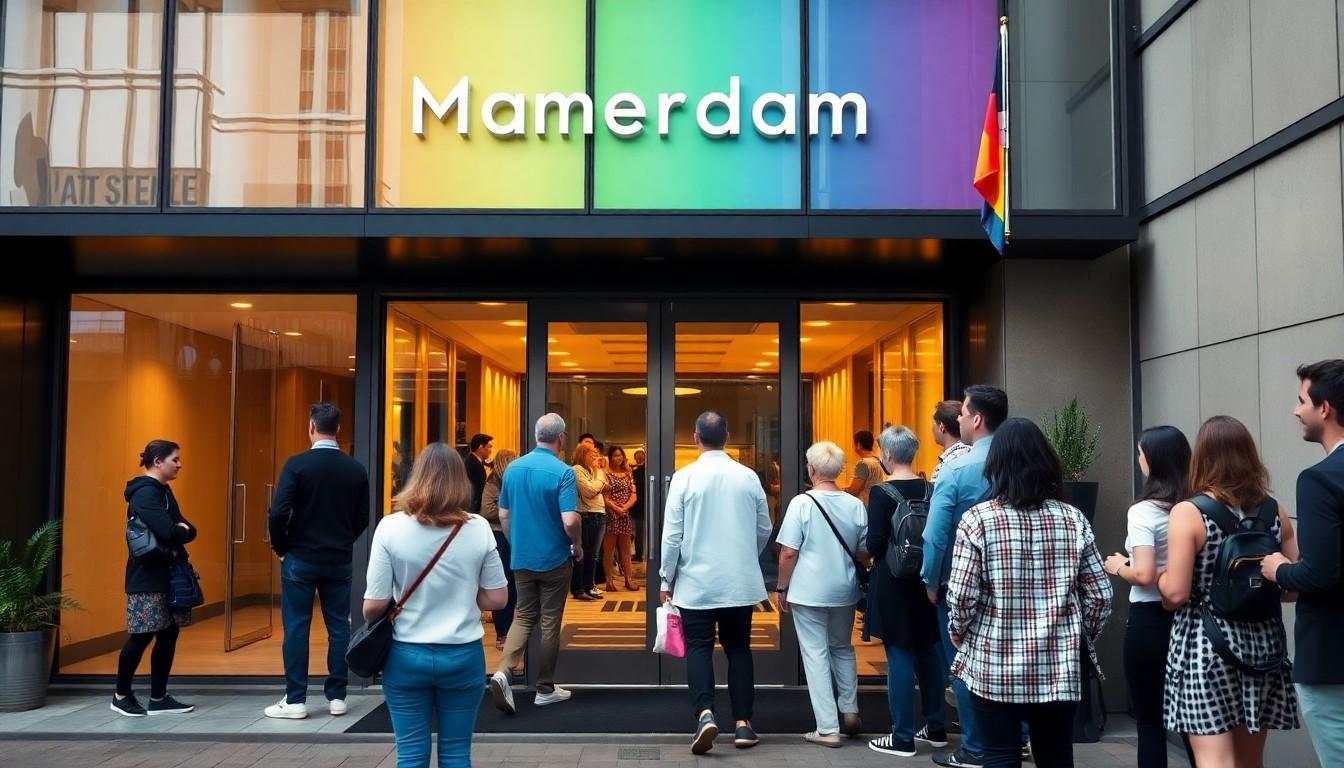
Shoppers and travellers alike are rethinking holiday choices as safety, legal protections and local attitudes become top priorities for LGBTQ+ visitors; here's which destinations lead the way, what to check before you go, and simple tips to travel with confidence.
Essential Takeaways
- Top destinations: Amsterdam, Canada and Spain consistently rank as welcoming, with vibrant Pride scenes and inclusive hospitality.
- Research matters: Check local laws, hotel policies and emergency contacts before booking , it changes the feel of a trip.
- Industry response: Hotels and tour operators increasingly offer diversity training and LGBTQ+ resources, making travel smoother.
- Practical feel: Look for clearly marked LGBTQ-friendly services, mild smells of welcome in boutique hotels, and staff who seem relaxed and open.
- Plan for reality: Political shifts can alter safety on the ground; prepare but don’t let uncertainty stop you.
Why legal protections now shape holiday choices
Safety and acceptance are no longer optional checkboxes for many LGBTQ+ travellers, they’re the headline act. Travellers increasingly vet destinations for legal protections and public attitudes before they buy a ticket, because no amount of Instagrammable architecture makes up for feeling unsafe. According to major tourism thinking, creating respectful, accessible places has become central to destination development, and that shows in how people plan trips. Practical tip: add a quick legal-safety check to your booking routine , it takes five minutes but saves awkward or risky situations later.
Cities that lead on welcome , what they offer
Some cities have built reputations you can feel when you arrive: visible events, LGBTQ+ venues, and a relaxed, inclusive hum in cafes and museums. Amsterdam, Toronto and Barcelona stand out thanks to long histories of legal recognition, major Pride events and visitor services geared to diverse guests. That reputation matters because travellers interpret it as a promise , though they still do some homework. If you want a safe bet, seek destinations with established LGBTQ+ scenes and multiple community-run resources.
How destination policies and marketing influence decisions
Marketing that says “everyone welcome” is only useful if it’s backed by training, anti-discrimination policies and on-the-ground practice. Many tourism boards now pair inclusive campaigns with programmes for hotels and guides, and retailers are starting to understand inclusion is as much business strategy as ethics. But branding can outpace reality, so pair glossy guides with specific checks: read hotel policies, ask about staff training, and see whether local events include community organisations. It’s a simple way to filter performative marketing from genuine welcome.
Practical pre-trip checks every LGBTQ+ traveller should do
Preparation is the kind of low-effort, high-return habit that pays off on holiday. Before you go, look up local laws and cultural expectations, register travel plans if that’s sensible, and note emergency contacts. Use specialist resources and travel advisors who know LGBTQ+ needs, especially for more complex destinations. Pack copies of important documents and keep them secure but accessible. These steps don’t make travel sterile , they make it calmer, so you notice the good bits more.
Industry moves and why they matter for comfort
Hotels, airlines and cruise lines have started to add diversity training and guest-facing resources because they know inclusion affects bookings and reputation. When staff are briefed and policies are clear, even small gestures , a respectful name in the reservation system or visible ally stickers at reception , change the vibe of a stay. The hospitality industry now faces a visible choice: adapt and welcome a lucrative market, or risk losing travellers who expect better. For guests, that means more options and a steadier baseline of comfort.
Balancing excitement with realism: travelling well in a shifting world
The map of safe, welcoming travel keeps changing as laws, politics and social attitudes move. That doesn’t mean avoiding certain regions entirely, but it does call for nuance: research, trusted guides, and conversations with local community groups when possible. Pride events and queer-run businesses generate huge cultural and economic benefits, and they’re an index of a destination’s openness. Travel smart, yes, but also travel curious , you’ll find extraordinary places where welcome is real and the memories last.
It's a small change to plan with care that can make every trip feel safer and more joyful.
Source Reference Map
Story idea inspired by: [1]
Sources by paragraph: