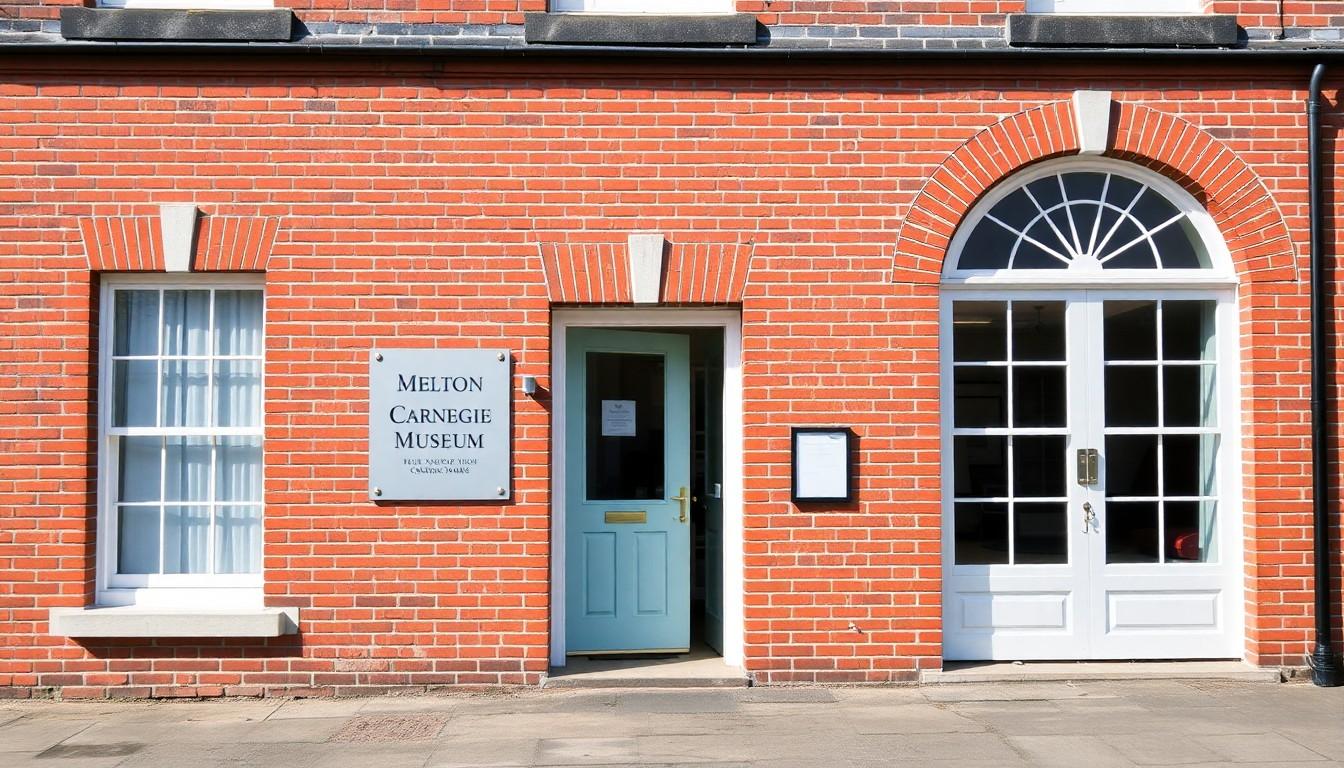
Watch as a small museum’s digital show sparks big debate , Villiers Revealed’s online gallery and a student essay recasting Funshine Bear as transgender has conservatives up in arms, and it matters because these conversations shape how we talk about representation, culture and public funding.
Essential Takeaways
- Digital exhibition: Villiers Revealed runs as a virtual gallery from Melton Carnegie Museum, expanding a physical show about George Villiers to include queer and trans histories.
- Student contribution: A University of Nottingham student interpreted Funshine Bear as trans/gender‑fluid, citing shifts in how the character was presented over time.
- Right‑wing reaction: UK conservative outlets and groups criticised the virtual exhibit, arguing taxpayer money shouldn’t support what they call “gender ideology.”
- Tone of the work: Contributors framed the reading as positive and affirming , Funshine as a symbol of care and belonging.
- Practical note: The contested exhibit is digital and part of a wider educational and community‑led project, not a new toy line or TV change.
A tiny museum, a digital show, and a Care Bear that stirred a fuss
A virtual exhibition from Melton Carnegie Museum has become a lightning rod, proving how small cultural projects can prompt large public rows. The online Villiers Revealed display, which enlarges a physical exhibition about George Villiers and queer histories, includes a student gallery where volunteers chose objects to 3D‑scan and re‑interpret. The result is intimate, a little playful and vividly human , some entries even read childhood toys through queer and trans lenses.
How a classics student turned Funshine into a symbol
One University of Nottingham contributor pointed to Funshine Bear and suggested a transgender or gender‑fluid reading, noting early portrayals that shifted from feminine to masculine in toys and media. That interpretation isn’t about changing canon so much as finding personal meaning; the student framed Funshine as a hopeful figure for anyone going through transition, carrying an uncomplicated message: you are loved and cared for. It’s the kind of cultural reclamation that academics and activists have used for decades to widen who belongs in our stories.
Why critics are angry , and why that reaction tells a story
Conservative outlets and advocacy groups quickly seized on the virtual interpretation, arguing that it sexualises toys and misuses public funding. The public debate ballooned after coverage in right‑leaning newspapers and social posts from family‑oriented groups. But it’s worth noting the exhibit is digital and educational, part of a museum’s outreach and a student project rather than a commercial reboot of a children’s franchise. The row says more about culture wars over representation than about the museum’s actual aims.
Museums, digital outreach and the value of student voices
Melton Carnegie Museum has used its online platform to broaden a local history show into something intersectional and collaborative, inviting students to scan objects and write their own takes. That approach reflects a wider trend: museums are experimenting with virtual galleries to reach new audiences, make collections accessible and centre community interpretation. If you care about civic culture, it’s a useful reminder that public museums often balance scholarship, outreach and local funding pressures.
Why this matters for parents, teachers and collectors
If you’re a parent or teacher wondering whether this affects kids, the short answer is it probably won’t change a child’s bedtime routine. The student text is an interpretive essay intended for a virtual gallery audience, not marketing to children. For collectors and fans, the piece is interesting because it highlights how icons like Care Bears can carry meanings beyond their original makers’ intentions. When evaluating controversies like this, look at context: who made the claim, where it appears, and what the educational aim is.
It’s a small cultural tussle that says a lot about how we read childhood symbols today.
Source Reference Map
Story idea inspired by: [1]
Sources by paragraph: