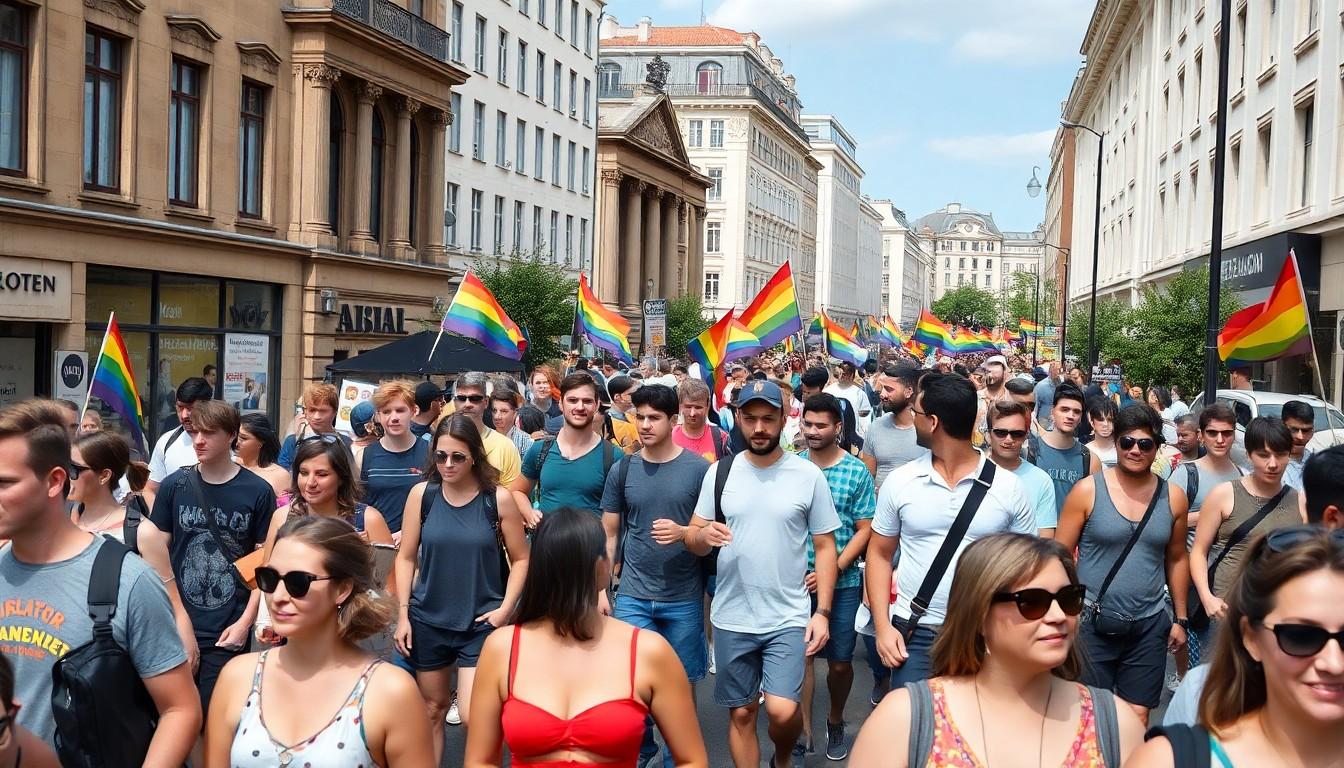
Shoppers, marchers and onlookers were stunned when a vehicle ploughed into Berlin's Pride parade; here's who was affected, what investigators say, and why this incident is reshaping conversations about safety at public events in Europe.
Essential Takeaways
- Casualties: At least one person killed and around 29 injured, with victims including march participants and bystanders; hospitals reported a range of wounds from minor to severe.
- Suspect: Police have identified and arrested a suspect following a manhunt; authorities are probing possible motives and any extremist links.
- Scene: The attack unfolded along a Pride route in central Berlin, leaving a chaotic, emotional scene and visible damage to the parade area.
- Official response: German security services, city leaders and Pride organisers have promised investigations and increased protection for future events.
- Community impact: The incident has shaken Berlin’s LGBTQ+ community and international observers, prompting vigils and renewed debate about public-safety measures.
What happened where and when
Eyewitnesses described a sudden, brutal moment as a vehicle accelerated into a crowded stretch of the Pride march in central Berlin, producing a sharp, metallic sound and a scattering of people. Hospitals in the area received dozens of injured, with medical teams working through the night. Al Jazeera and Reuters reported that ambulances and police sealed off the scene rapidly, while organisers tried to account for missing participants. The suddenness of the attack left many shaken; for a city known for its openness, the physical and emotional shock was tangible. Practical note: if you attend public gatherings, know the exits and stick with friends; small plans help in an instant crisis.
Who the police say they have detained and why motives remain murky
German police named and arrested a suspect after a targeted search, and investigators are now piecing together a timeline of the events leading up to the attack. The Los Angeles Times and The Guardian reported that authorities are examining the suspect’s background, travel, and potential contacts to establish motive. So far, officials have not drawn a definitive public conclusion about ideological motive, though some outlets cite early lines of inquiry that include potential extremist influences. Authorities are treating the case with the full resources of counterterror units and homicide investigators. For readers: expect slow, careful updates; motive investigations often take days or weeks as forensic and intelligence work proceeds.
How this fits into a wider pattern and political conversation
Analysts say the attack arrives amid rising concern across Europe about politically or ideologically driven violence at public events. Le Monde and El País note that Pride marches have previously been targeted elsewhere, and that the symbolic visibility of LGBTQ+ events can make them both celebratory and vulnerable. Politicians and community leaders are already debating whether current policing and public-protection measures are adequate for large-scale, symbolic gatherings. That debate will affect funding, stewarding and surveillance at future parades and demonstrations. Practical takeaway: organisers will likely plan tighter security, more medical points and clearer evacuation routes for upcoming events.
The human stories: grief, solidarity and the city's reaction
Local reporting captured scenes of grief, with vigils springing up and survivors recounting small, powerful acts of kindness , strangers helping to drag people from harm, volunteers offering water and comfort. Svenska Dagbladet and Le Monde conveyed how Berliners and visitors gathered to support victims and to insist that fear won’t erase Pride. Organisers and LGBTQ+ groups called for unity, cautious resilience and support for those traumatised by the attack. Berlin’s reputation as a queer-friendly city has been hit, but the immediate civic response emphasised care and solidarity. If you’re moved to help: donate to verified victims’ funds or contact local LGBTQ+ charities; practical support matters after headlines fade.
What this means for public safety and future events
Expect German authorities to review security plans for large events, from traffic barriers to bag searches and intelligence sharing with European partners. The Guardian and Al Jazeera outline likely steps: stronger perimeter controls, vehicle-barrier measures and stepped-up monitoring of credible threats. Organisers elsewhere will watch closely and probably adapt, balancing the visibility that makes Pride powerful with sensible, visible protections that keep people safe. For attendees, simple steps like arriving in groups, registering with organisers if offered, and noting first-aid stations can reduce risk. Looking ahead, communities will argue over the right balance between openness and protection , but the priority is clear: keep people safe without surrendering the spirit of public celebration.
It's a small change in how parades are planned, but it could make every march a little safer.
Source Reference Map
Story idea inspired by: [1]
Sources by paragraph: