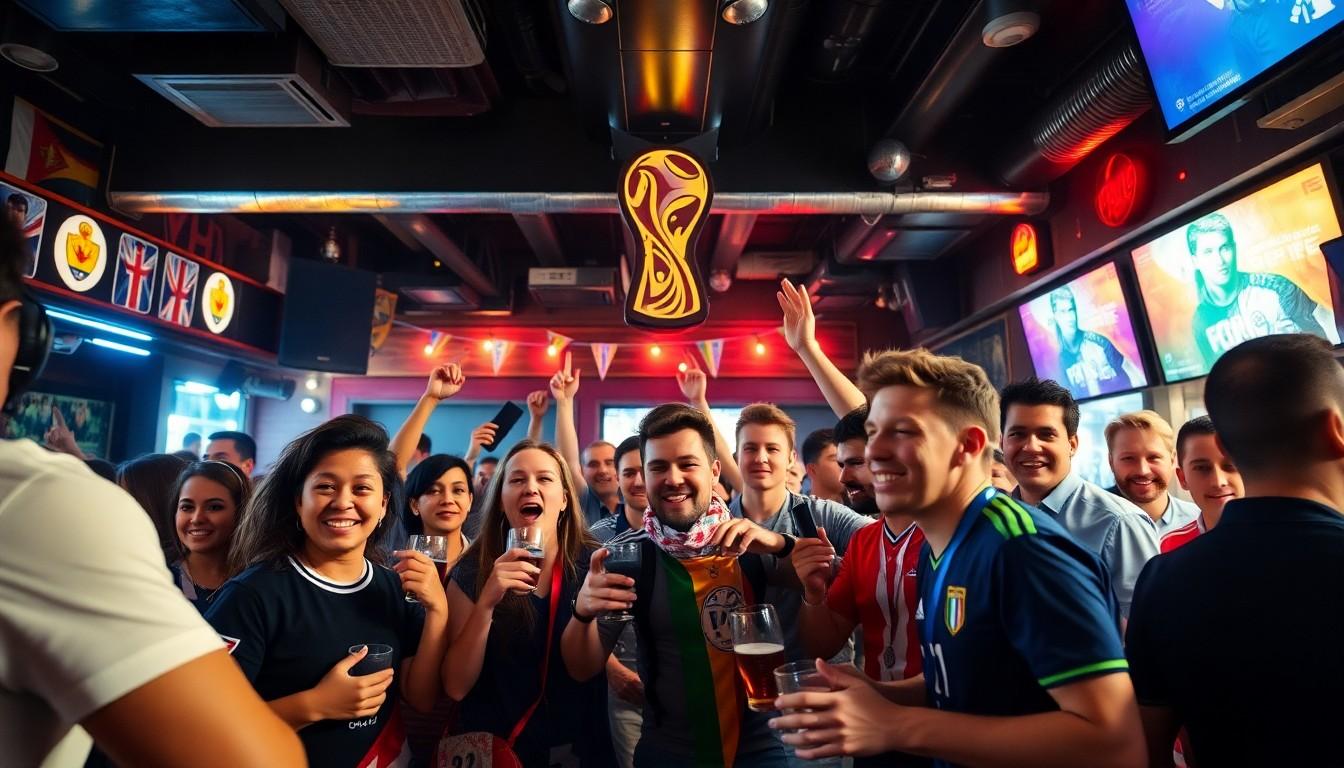
Shoppers and sports fans alike noticed something different at this World Cup: queer fans showed up loud, proud and culturally visible, turning matches into pop-culture moments that mattered for belonging, fashion and music. Grindr’s CMO says it wasn’t about scores so much as being seen , and that shift could reshape how we watch sport.
Essential Takeaways
- Visible fandom: Queer supporters organised watch parties and packed queer-friendly venues, creating a louder presence at World Cup events.
- Cultural collision: The tournament doubled as a music and fashion moment , Madonna and Shakira amplified attention and streaming spikes.
- Platform role: Grindr positioned itself as a “global neighbourhood,” used for connection and safety as much as dating.
- Still work to do: Anti-gay chants and the lack of openly gay top-level players remind us inclusion isn’t solved.
- Everyday visibility: Viral moments of affection signalled a shift from hiding to being unapologetically present.
Why this World Cup felt different for LGBTQ+ fans
The clearest change was simple: people showed up. Grindr’s chief marketing officer told reporters that queer fans “stopped asking for permission,” and you could feel that in bars, social feeds and in the stands. Where once screens in gay venues might have shown pop clips, they now showed live matches, and that visual shift mattered. It’s not that prejudice vanished overnight , anti-gay chants and silence from many players remain , but there’s a new confidence in turning up as fans first, and queers second.
How music and celebrity amplified queer visibility
Madonna and Shakira weren’t mere guest stars; they became amplifiers for visibility. After the halftime show, streaming platforms recorded major spikes in listens and song identifications, and that surge kept the conversation alive beyond the final whistle. Big-name performances mean big cultural signals: they remind mainstream audiences that sport intersects with music, fashion and identity. For queer fans, those moments felt celebratory rather than peripheral.
Grindr’s evolving role: more neighbourhood than hookup app
Grindr’s leadership framed the app as a “global neighbourhood” , a practical point when fans travel or find themselves in countries with hostile laws. People were using it to locate safe spaces, meet up for matches and form watch-party groups, not just to date. That mirrors a broader industry trend where LGBTQ+ platforms are leaning into community-building and culture, helping fans feel less isolated when they arrive in new cities for big events.
Brands, bars and Pride playbook: the commercial shift
Brands rewrote how they show up for queer audiences this year, leaning into authentic celebration rather than token gestures. Gay bars and queer sports leagues reported fuller rooms and more organised fandom, from women’s matches to Formula 1 screenings. The result: a clearer pathway for organisations and sponsors who want to be relevant to queer fans , but only if they act beyond PR-friendly moments and invest in real inclusion.
What still needs to change , and practical tips for fans
Progress is visible but incomplete. Governing bodies and clubs need firmer policies on abuse, more allyship from players, and safer spaces at stadiums. For fans planning to attend big matches: organise meet-ups in advance, choose venues known for welcoming crowds, and use apps to find companions. If you’re a host, make a visible code of conduct and flag stewards or security contacts , small steps that make cheering safer for everyone.
It's a small change that can make every cheer and every chant feel a little braver and a lot more connective.
Source Reference Map
Story idea inspired by: [1]
Sources by paragraph: