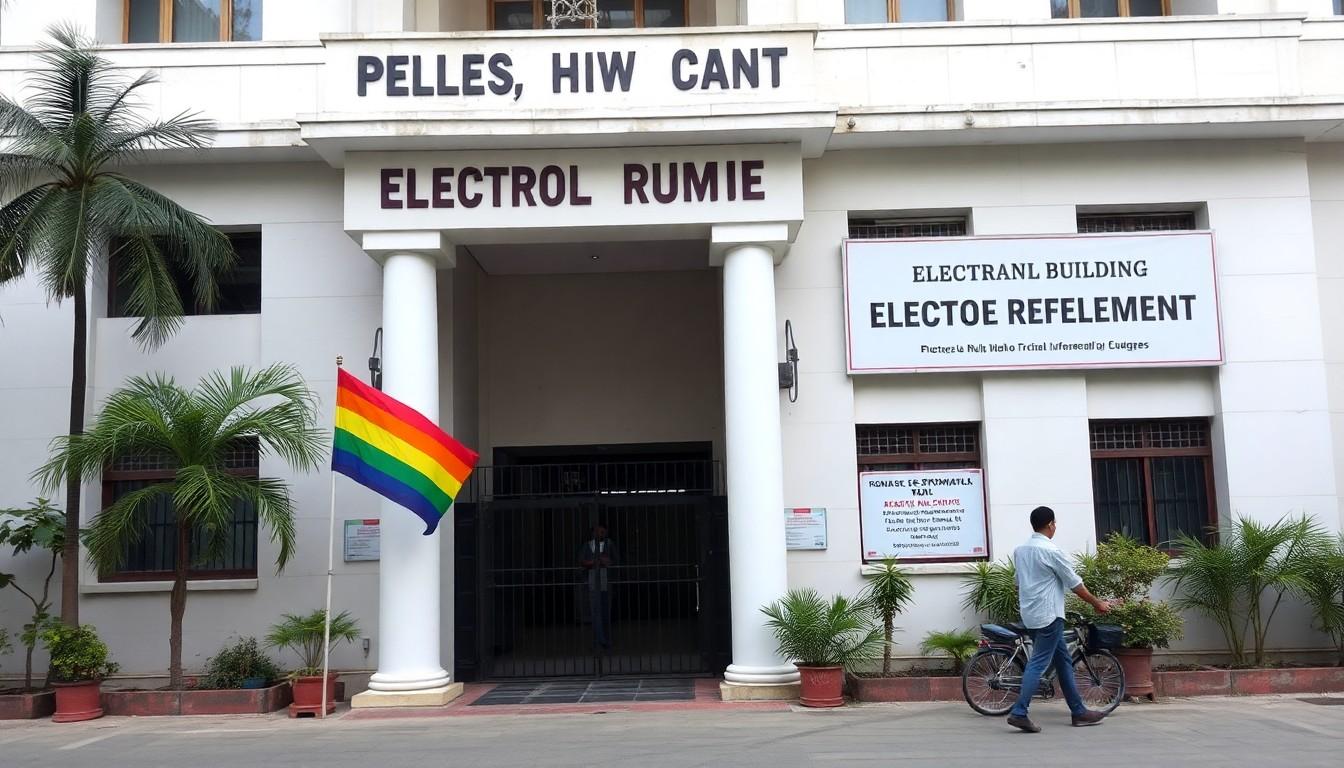
Shoppers are turning to procedural fixes: campaigners and trans voters across India are scrambling to stay on the electoral rolls as the Special Intensive Revision (SIR) unfolds, because exclusion now can mean loss of both vote and identity. This matters for trans, women and religious minorities who already face document gaps, estrangement and misrecorded details.
Essential Takeaways
- Practical risk: Trans people with estranged families or mismatched documents face higher chances of deletion from voter rolls.
- Common causes: Missing ancestral entries, differing names/genders across documents, and photos that no longer match appearance.
- Local solutions help: Activists and party agents are offering ad hoc support, but institutional safeguards remain limited.
- Emotional stakes: Exclusion often feels like erasure of citizenship, especially for minority community members.
- What to do now: Collect any identity papers you have, reach out to local activists, and request hearings rather than automatic removal.
Why the SIR feels like an identity threat to many trans people
The opening fact is stark: people are being flagged not because they lack citizenship but because they can’t be “mapped” to older family entries in the rolls, a detail that sounds bureaucratic and feels existential. According to interviews with several trans voters, missing ancestral entries and inconsistent paperwork , from voter ID to Aadhaar , are the main culprits.
This process disproportionately hits those who have left their natal families for safety or dignity, and who therefore can’t produce the lineage links officials request. Campaigners have warned that deletion from the rolls can create a domino effect: losing a voter card often makes it harder to resolve other documents, so the problem compounds. The lived stress is visible: people speak of sleepless nights and dread at the thought of being declared “absent” or “ineligible”.
How paperwork mismatches create practical barriers
A surprisingly ordinary friction point is document mismatch: a voter card showing female while Aadhaar lists male, or old photos that no longer resemble the person. These are exactly the sorts of discrepancies BLOs (booth level officers) are now using to flag “logical discrepancies”, industry voices say.
Practical advice: gather whatever documents you still have, school certificates, old voter slips, passport pages, and photocopy them. If you can, get written statements from neighbours or community elders who can attest to residency. Activists suggest asking for a formal hearing rather than accepting deletion; it gives you the chance to present evidence and explain family estrangement.
Why guardianship and community records complicate things in some areas
In pockets of India, trans persons were historically enrolled with guru maa or community guardians listed instead of biological parents. That made registration possible, but now those entries can be treated as anomalies, especially where officials expect parental names.
That creates a thorny choice: chase difficult-to-find parents, or risk losing registration because your guardian appears to be responsible for many dependants. Local organisers recommend documenting community records, affidavits from guru maas or guardian figures, and any mass-registration notes from earlier drives to show the historical context of your enrolment.
What activists and parties are doing , and where they fall short
Groups and individual politicians are offering support: helping people trace records, training volunteers to assist at hearings, and pushing for legal remedies. But several organisers admit the response remains piecemeal. Political parties often view queer and trans electorates as numerically small, so large-scale institutional pressure is limited.
Organisations such as feminist networks have urged the Election Commission to widen verification beyond patriarchal lineage, and civil society has made urgent appeals for gender justice in the SIR. For now, community-level networks are the frontline: reach out to local LGBT+ NGOs, human rights groups or sympathetic party workers for targeted help.
How to act now if you or someone you know is at risk
First, don’t ignore any communication from election officials , but don’t panic either. Request a hearing in writing and bring every identity document you possess, including older voter slips or photos. If your family ties are severed, collect affidavits from community members or employers that confirm your identity and residence.
If you face hostility or feel unsafe contacting natal relatives, notify a trusted activist or a legal aid organisation and ask them to accompany you to the BLO. And finally, document everything: take photos of notices, record dates and names of officials you spoke to. These small steps can make a big difference when the system expects tidy lineage that many trans lives simply don’t follow.
It's a small change that can keep many voters connected to their rights.
Source Reference Map
Story idea inspired by: [1]
Sources by paragraph: