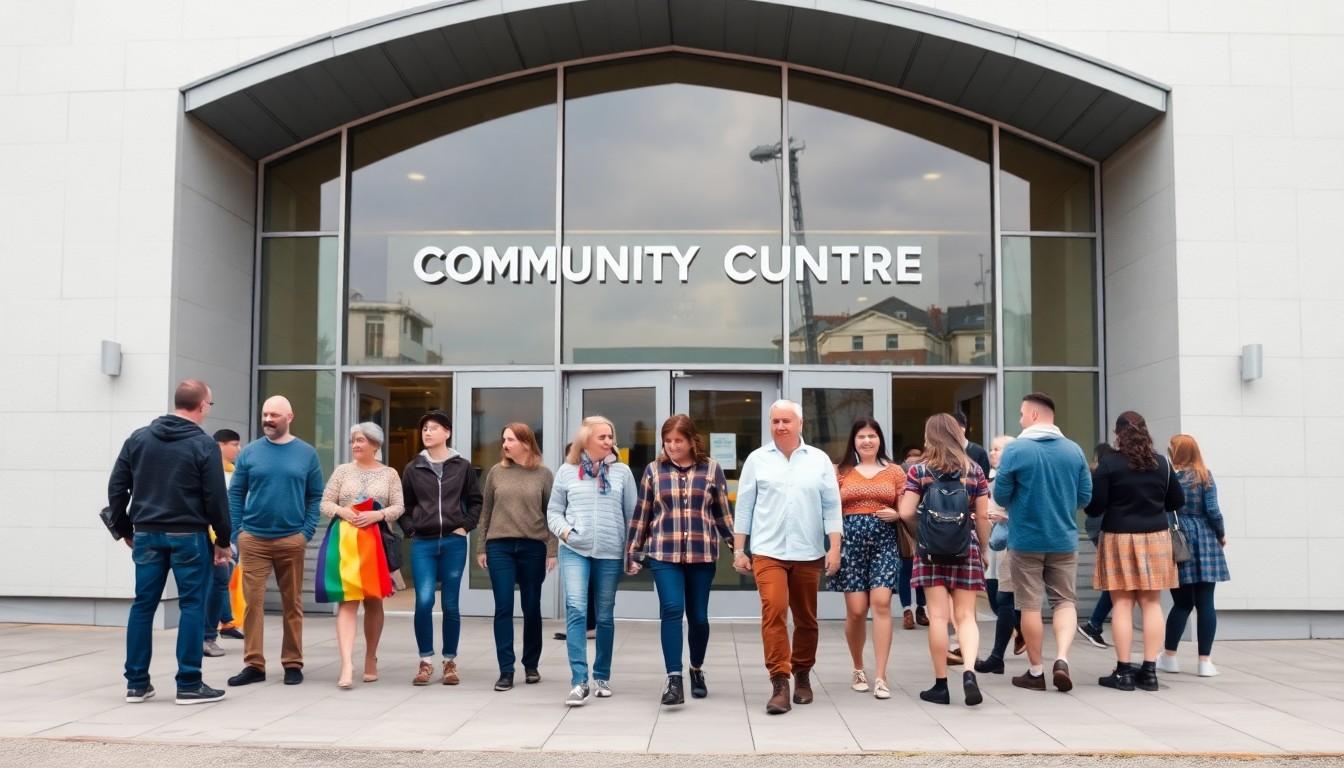
Notice how outrage keeps circling back: recent attacks at Pride events remind us who is at risk, who’s learning to hate, and why protection and visibility matter for LGBTQI people across Europe and beyond. Here’s what’s happening, why it matters, and practical steps communities can take.
Essential Takeaways
- Rising risk: Attacks at Pride events , from Berlin to Oslo and Orlando , show violence against LGBTQI gatherings remains a lethal threat.
- Hate is taught: Research and reporting indicate intolerance is learned from environments, role models and extremist discourse.
- Young people’s attitudes are shifting: Surveys in Sweden and elsewhere register falling tolerance among younger generations compared with a decade ago.
- Practical responses: Safer events need security planning, community solidarity, and clear communication about routes, exits and support.
- Visibility with caution: Flying a rainbow flag is powerful and symbolic, but organisers and participants should balance visibility with risk awareness.
Why Pride is still targeted , the brutal pattern
Attacks at celebrations aren’t random accidents; they're part of a grim pattern that stretches back years. Remember Orlando’s Pulse, Oslo’s Pride shooting and, most recently, the Berlin assault , each one shows how a place of joy can be singled out for hate. National Geographic and other chroniclers of LGBT history note how mass-casualty events become defining moments for a community, both in grief and in the urgency they spark for change.
The emotional impact is immediate: a festival that should feel colourful and safe becomes a source of dread. That fear is reasonable. Organisers and local authorities need to treat these risks seriously rather than assume history won’t repeat itself.
How intolerance is taught , and why that matters for prevention
Intolerance doesn’t appear out of nowhere; it’s cultivated by environments, rhetoric and social signals. Academic research on extremist movements documents how fringe ideology channels antisocial impulses into targeted violence, and that LGBTQI people are frequent victims. When political leaders, religious influencers or online communities legitimise hostility, it lowers the bar to harassment and, in worst cases, murder.
This matters because prevention isn’t only about physical security. It’s about changing the messages people hear at home, in school and online. Education, visible allyship and responsible media coverage all chip away at the narrative that queer lives are a threat.
Youth attitudes are shifting , worrying trends to watch
Recent Swedish polling and reporting show that tolerance among school-age groups has dropped compared with a decade ago, an unsettling reversal after years of progress. Sveriges Radio and social researchers flag that this is driven by a mix of cultural backlash, polarised debates and online echo chambers.
If younger cohorts are becoming less tolerant, the long-term implications include more hostile public spaces and political pressure to roll back rights. That means parents, teachers and community leaders have an outsized role to play now: talk about diversity early, model respectful behaviour, and challenge stereotypes where you see them.
Practical safety measures , what organisers and attendees can do
You don’t need to be a security expert to make events safer. Start with basics: clear entry and exit plans, visible first-aid points, trained stewards, co-ordination with local police and a robust communications plan for emergencies. Smaller choices matter too , lighting darker routes, having staffed drop-in points and offering discrete ways for people to report concerns.
For attendees, trust your instincts. If a route looks risky, choose another. Attend with friends, share check-in times, and know where the nearest help stations are. Visibility is powerful, but it should be paired with situational awareness.
Visibility and solidarity , why waving a flag still matters
A rainbow flag outside a town hall or at a parade is more than decoration; it’s a public claim to belonging. That symbolic visibility can also deter some hostility by signalling community support. But symbols alone aren’t enough. Solidarity needs substance: legal protections, funded support services, and cross-community alliances that de-normalise hate.
Looking ahead, it’s reasonable to ask how communities can celebrate pride without inviting harm. The answer is messy: keep celebrating, but with stronger planning and louder civic support. When allies show up in large numbers, they don’t just make a procession brighter , they make it harder for hate to feel normal.
It's a small change that can make every celebration safer.
Source Reference Map
Story idea inspired by: [1]
Sources by paragraph: