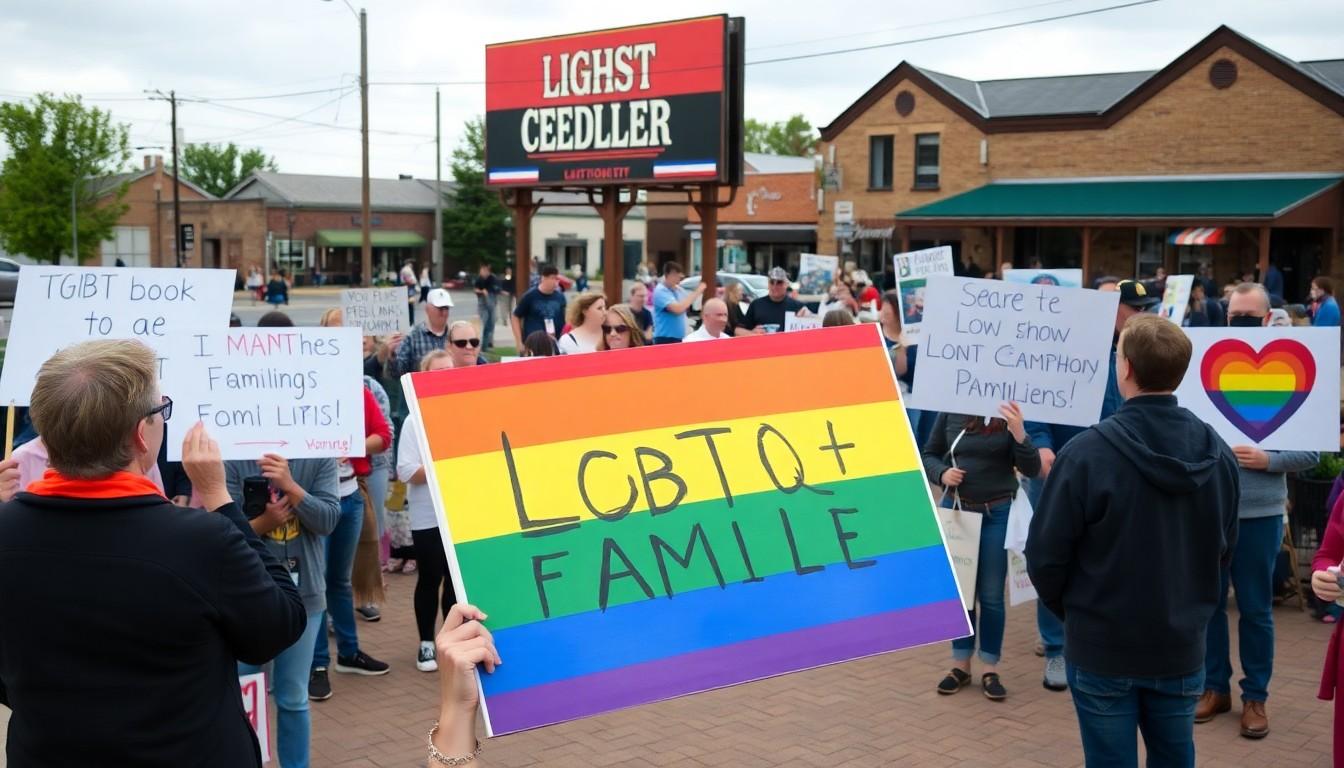
Shoppers and neighbours are pushing back: residents across rural Ohio are turning outrage into action after a Seattle group paid for anti‑LGBTQ billboards, and local families, activists and officials are mounting visible, practical, and sometimes creative responses that matter for kids, parents and community cohesion.
Essential Takeaways
- Who’s behind it: A Seattle group funded the billboard campaign targeting same‑sex parents, sparking local backlash.
- Visible reaction: Residents and LGBTQ advocates have organised counter‑messages, rallies and replacement signage that feel defiant and neighbourly.
- Local impact: The ads landed mostly in rural communities where people reported hurt, confusion and urgent conversations about family life.
- Tone and tactics: Responses range from community art and alternative billboards to formal complaints and social‑media mobilisation , varied, colourful, and resolute.
What happened and why it landed so heavily in small towns
The most striking fact is how out‑of‑state money landed in quiet Ohio corridors and upended ordinary life, with billboards reading that children can’t have two dads or two mums. That line hits a raw nerve because it’s both declarative and personal , people saw their own families in the message and reacted. According to local coverage, the campaign placed ads across several towns, prompting immediate pushback from parents, school staff and advocates. Residents told reporters the language felt accusatory, not informative, and that’s why it spurred so many grassroots responses rather than polite conversations.
How local communities converted hurt into action
Rather than let the billboards set the tone, locals coordinated countermeasures: some put up pro‑family and pro‑LGBTQ signage, others organised vigils or family‑friendly events to show support. Community leaders and advocacy groups helped amplify those efforts, using social media and local press to get the message out. The reaction wasn’t just about aesthetics; it was about reclaiming public space and saying, visibly, that families take many forms. For many locals, replacing a billboard was a tangible way to reassure children and neighbours.
The bigger picture: outside groups and inside consequences
This campaign is part of a broader trend where national or regional organisations seed culture‑war messages into smaller markets. Industry coverage points out that well‑funded initiatives can magnify divisions, especially when residents feel those voices don’t reflect their towns. It also raises practical questions about billboard regulation and community standards , who decides what gets displayed on a roadside? For citizens, the takeaway is to watch where messages come from and build local channels to respond quickly.
Creative counter‑strategies that actually change the conversation
Some Ohio responses leaned on creativity: friendly billboards celebrating diverse families, murals painted by students, and neighbourhood sign drives. Others opted for formal routes , complaints filed with billboard companies or petitions asking for ad removal. These strategies do different jobs: art soothes, organised complaints pressure distributors, and gatherings build solidarity. If you’re planning a local response, think about visibility, tone and sustainability , a one‑off protest makes a point, but ongoing signage and community events keep reassurance front and centre.
What this means for parents, schools and local leaders
For parents and educators, this moment is a reminder that public messaging influences children’s sense of belonging. Schools and councils are being nudged to respond with clarity and support, whether through lessons on family diversity, pastoral outreach, or public statements. Officials interviewed in regional reporting emphasised listening first , ask families what they need, then act. Practically, keep channels open: update school communications, offer counselling resources, and partner with local groups so the response is caring rather than combative.
It's a small change that can make every family feel seen.
Source Reference Map
Story idea inspired by: [1]
Sources by paragraph: