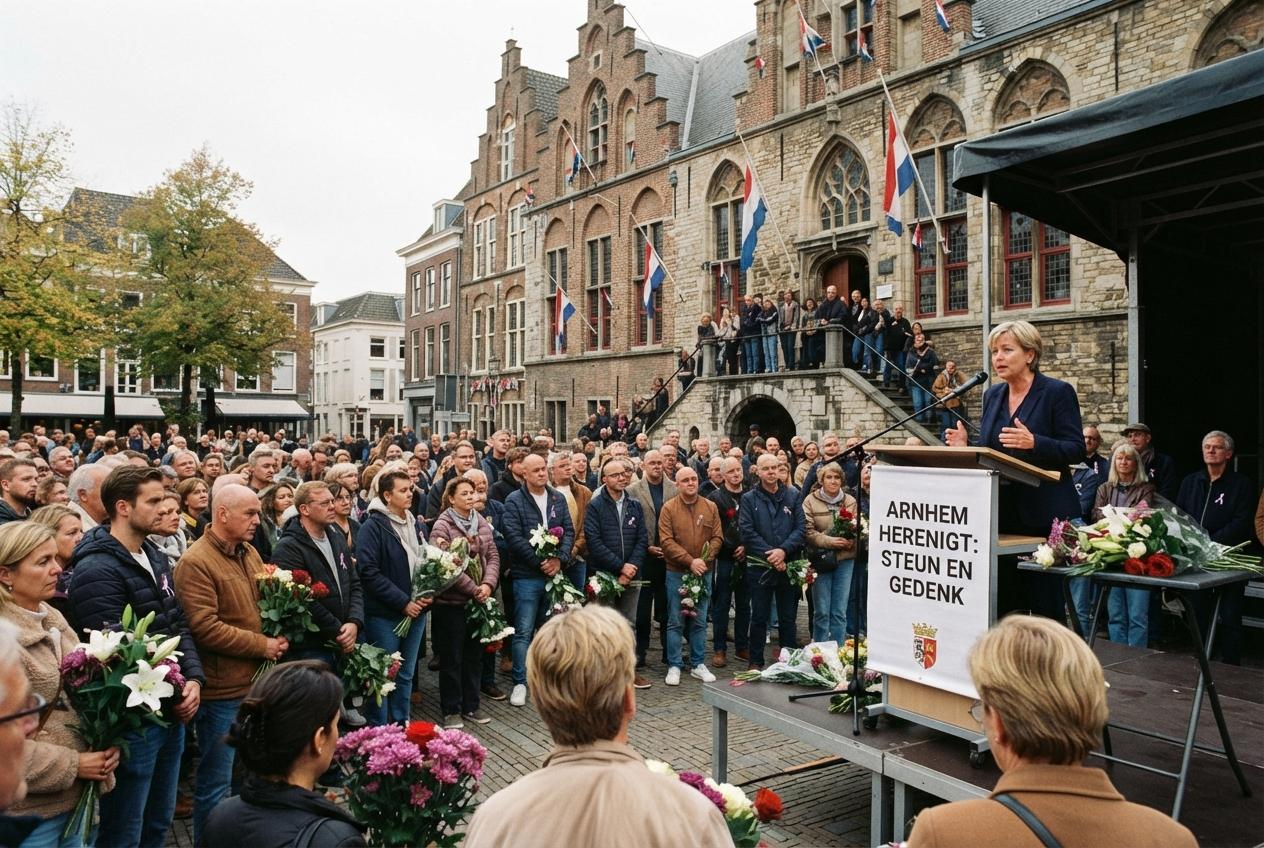
Noticing grief and defiance, residents in Arnhem and across the Netherlands gathered this week to remember victims of the Berlin Pride attack , a sombre, colourful show of solidarity that matters because visibility and safety for queer people are still under threat.
Essential Takeaways
- Hundreds gathered: About 300 people met in Arnhem for a candlelit, rain-soaked vigil with flowers and flags, creating an intimate, emotional scene.
- Mixed emotions: The event mixed tears with cheers , quiet remembrance followed by loud vows like “we’ll never go back in the closet.”
- Inclusive voices: Speakers included queer Muslims and local activists, stressing that faith and sexual identity are not mutually exclusive.
- Pride as protest: Organisers and speakers framed Pride as both celebration and political action, urging continued visibility for safety.
- Local alertness: City officials stressed that threats abroad feel close to home, so communities must remain vigilant and supportive.
A small city become a mirror of Berlin , quiet, bright and raw
The vigil in Arnhem opened with a skyline lit in rainbow tones and a flag at half-mast, a striking visual that felt both tender and defiant. People arrived with flowers, banners and the sort of colourful hair you see at parades; the mood was solemn but resolute. According to local reports, about 300 people attended, and the crowd swelled near a fountain as the hour for a minute’s silence approached. The scene underlined how public grieving can also be an act of communal care.
Personal stories made the politics tangible
Speakers brought the national story down to individual lives. One young asylum seeker wore a headscarf under a rainbow flag and spoke of belonging and complex identity, reminding the crowd that victims and communities share layered experiences. Organisers used such stories to make it clear this wasn’t just symbolic grief; it was a plea that hate not be allowed to define entire groups. That kind of storytelling often turns abstract policy debates into human consequence.
Pride still does double duty , party and protest
Local activists were adamant that Pride isn’t just about celebration. For groups like the Dolle Mina’s and regional LGBTQ organisations, vigils and parades are tools of resistance as much as joy. Speakers told the crowd Pride should remain a space to demand safety, legal protections and everyday respect , the sort of framing that keeps movements politically sharp even when communities gather to mourn.
City leaders underscore a local need for vigilance
Officials in Arnhem framed the attack in Berlin as something that resonates locally, because freedoms , to kiss in public or to walk hand in hand , feel equally at stake at home. The deputy mayor stressed the need for safe public spaces and for people to be able to live visibly without fear. When local government voices that concern, it nudges policing, event planning and community support toward practical steps rather than platitudes.
How to support or organise a healing vigil where you are
If you’re looking to join or set up a remembrance, keep it simple and respectful: find an accessible public spot, coordinate a short programme with moments for silence and speech, and make space for different faiths and identities. Offer clear guidance on safety, crowd flow and first aid. Above all, centre survivors’ needs and follow the lead of local community groups so vigils are both meaningful and safe.
It's a small, public act , but showing up together can shift the shape of grief into solidarity that lasts.
Source Reference Map
Story idea inspired by: [1]
Sources by paragraph: