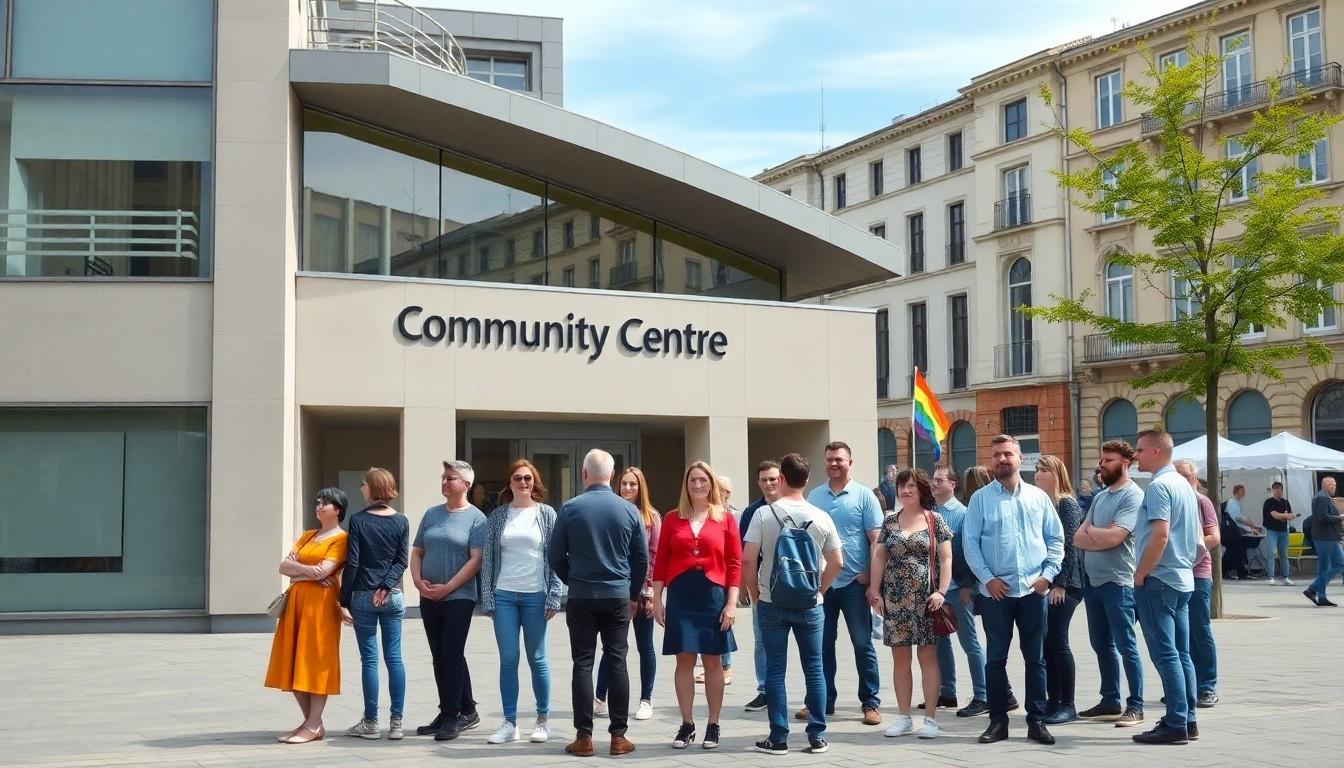
Shocked communities have been processing a violent attack that hit Berlin’s Pride celebrations, and organisers across the UK and Europe are reminding people why Pride remains essential for visibility, safety and solidarity , and what steps event teams and attendees can take to stay safer.
Essential Takeaways
- Immediate impact: A vehicle struck crowds at a Pride event in Berlin, killing one and injuring dozens; authorities later said the suspect was shot dead.
- Wider reaction: Pride organisers from Folkestone to Brighton and global queer groups issued statements of solidarity and held vigils.
- Safety focus: Police responses and event teams are reviewing security plans, crowdflow and vehicle access controls.
- Practical tips: Simple measures , barriers, clear entrances, visible stewards and emergency routes , make a big difference to on-the-ground safety.
- Community toll: The attack reinforced why Pride remains about rights and protection as much as celebration.
What happened in Berlin , a concise recap
The scene in Berlin left witnesses shaken, with crowds celebrating when a car ploughed into people near a Pride closing event, killing one person and leaving many injured. Reuters and AP reported that police launched an immediate manhunt and later said a suspect was shot dead after officers pursued him on the outskirts of the city. The image of a joyous, colourful night interrupted by violence has dominated coverage and prompted vigils across Europe.
The stark facts matter because they change how events are planned: public celebrations need to be joyful, but they also need a new rigour around risk assessment. For attendees, the emotional shock is raw , people described being frightened and confused, and communities rallied quickly to support victims and families.
How local Prides reacted , solidarity in practice
From Folkestone to Newcastle and Brighton, organisers issued heartfelt statements and arranged candlelight vigils, emphasising that Pride is about visibility and safety as well as celebration. Groups such as Ella’s global community and numerous UK Pride organisers publicly condemned the attack and pledged solidarity with Berlin.
Those responses are more than performative; they reassure attendees and remind authorities that Pride events are not optional civic expressions but essential gatherings for marginalised people. Expect more open communication from organisers in the coming months about security measures and contingency plans.
What security changes organisers are likely to make
Police and event teams are already reviewing vehicle access, perimeter control and steward training. Officials cited in Al Jazeera and AP coverage noted rapid tactical responses and investigations into motive and planning. Practical changes often include heavier vehicle barriers at key choke points, better-defined pedestrian zones and more visible, trained marshals.
If you organise an event, prioritise clear emergency routes, communicate safety plans to volunteers and coordinate with local police. Small investments , reinforced barriers, anti-ram bollards where appropriate, and well-briefed first-aiders , can reduce vulnerability without turning celebrations into fortress-like affairs.
What attendees should do without spoiling the fun
You don’t have to be paranoid to be prepared. Arrive with a simple plan: know where the nearest first-aid tent and exits are, keep your phone charged, and agree a meeting point with friends. If you notice an unattended vehicle behaving oddly or someone acting aggressively, tell a steward or police officer immediately.
Organisers should publish quick-read safety guidance and maps ahead of time; attendees should read them. And on a communal level, showing calm solidarity after any incident , checking on friends, joining vigils, supporting charities that help victims , helps the psychological recovery as much as the physical.
The broader meaning , why Pride still matters
Beyond logistics, reactions from leaders and communities underline the political and social stakes. Germany’s chancellor urged people not to be intimidated, while organisers stressed that visibility and unity are precisely why Pride persists. The attack crystallised an uncomfortable truth: public safety is inseparable from civil freedoms for LGBTQ+ people.
So while events may adopt stricter mitigations, the core purpose of Pride , asserting existence, demanding rights and creating fellowship , remains unchanged. That resilience is a powerful answer to those who seek to frighten communities into retreat.
It's a small change in planning that can make every march and celebration safer , and a big reminder of why we still gather.
Source Reference Map
Story idea inspired by: [1]
Sources by paragraph: