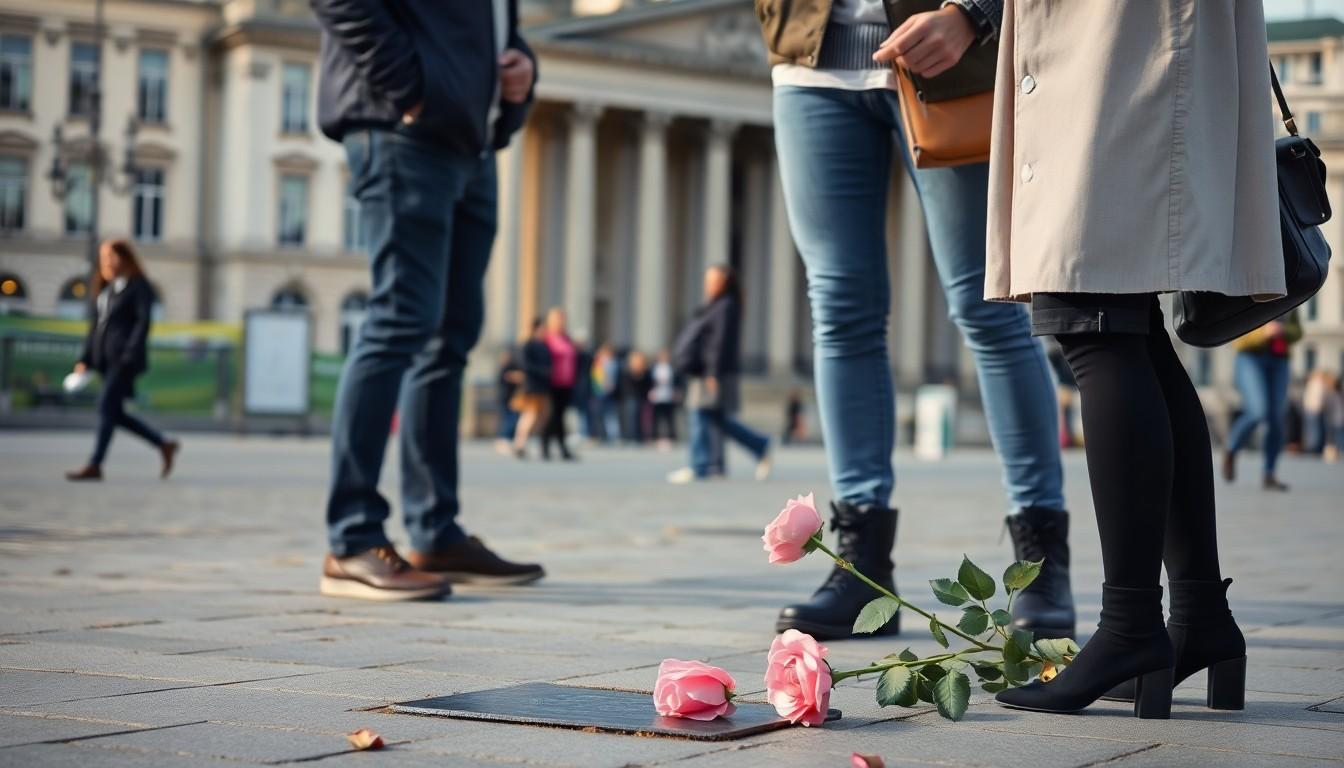
Watchful hearts and heads are now in the same place. A founder of Eindhoven Pride who travelled to Berlin to celebrate placed two pink roses where a vehicle attack on Berlin Pride killed one and injured many , and says organisers must learn, adapt and keep showing up.
- Strong emotion: organisers and visitors described a mix of joy turned to grief, with visible memorials and heavy atmosphere at Potsdamer Platz.
- Practical watchwords: event teams are already talking visible and invisible precautions; extra policing and barriers feel familiar and sober.
- Misinformation risk: false reports and rumours spread quickly during the manhunt, complicating response and public understanding.
- Community resolve: despite fear, Pride leaders and attendees insist on continuing events and refusing to be driven back into the closet.
- Simple gesture, big meaning: small acts , two pink roses, a moment of silence , signal solidarity and help process shock.
A weekend that began with glitter and ended in mourning
The stark contrast was immediate: people arrived for a parade dressed for joy, but left seeing police cordons and flowers beneath a tree where a delivery van struck participants. According to eyewitness accounts, the scene at Potsdamer Platz felt surreal, part memorial and part crime scene. Organisers and visitors carry that sensory memory , the smell of flowers, the quiet where music had been , back to their own cities.
This is the moment many Pride professionals dread. Eindhoven Pride founder Johan Stribos described the trip as a festival visit that became a duty to grieve with others. He and his partner bought two pink roses and laid them at the memorial, a simple, human response that many will recognise from other tragedies.
What organisers are likely to change , and what they already do
Event teams routinely juggle visible measures , barriers, marshals, first-aid points , with less obvious steps like stewards’ training and intelligence-sharing. Dutch and German organisers alike say those layers matter. Stribos noted that Eindhoven Pride already uses “visible and invisible” precautions; he expects lessons from Berlin to be debated but not to paralyse planning.
Across Europe, Pride weeks are responding: some cities announce higher police presence, others promise improved steward training or rapid communications. The goal is to reduce vulnerability without turning celebrations into fortresses, a delicate balance organisers must strike.
Misinformation: the unseen aftershock of an attack
When an incident happens in a crowded festival, unverified reports race ahead of official updates. News outlets and policing sources reported a scramble to dispel false information during the Berlin manhunt, which hampered both public calm and operational clarity. That’s a predictable hazard; it means organisers need media protocols and fast, clear channels to their audiences.
Practical tip: establish an official social feed and a single spokesperson for real-time updates, and coordinate with local police to ensure consistency. Quick, calm facts beat speculation every time.
Safety measures other Prides are emphasising right now
Some Pride organisations are already publishing guidance on stewarding, evacuation routes and medical readiness. Copenhagen Pride and other major events highlight crowd management, clear signage and liaison officers with emergency services as straightforward, effective steps. In Germany, several events raised police visibility in the days after Berlin, while others stressed community solidarity.
For planners: rehearse incident scenarios, refresh radio and comms plans, and make sure volunteers know where to direct people if something goes wrong. These aren’t glamorous tasks, but they keep people safe.
Why showing up still matters
The emotional response from the LGBTQ+ community has been resolute: attendances and visibility matter as counterweights to intimidation. Leaders such as Stribos were clear , grief doesn’t equal retreat. The scene at Potsdamer Platz, with roses and candles, underlines a simple truth: public mourning and public pride can coexist.
That resolve shapes policy too. Officials in some countries are already discussing tighter extremism laws and better prevention, while activists insist on refusing fear as a reason to cancel visibility. The mood is cautious but determined.
It's a small change that can make every Pride safer.
Source Reference Map
Story idea inspired by: [1]
Sources by paragraph: