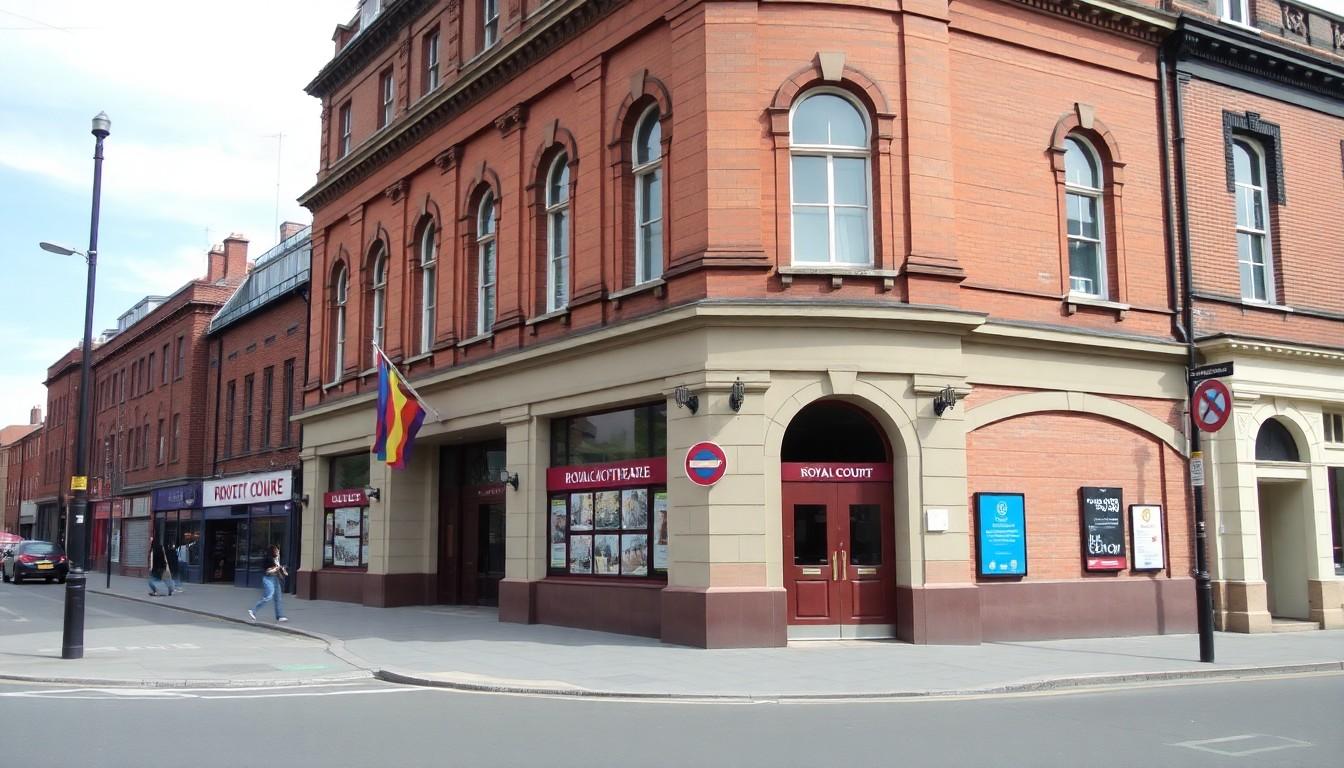
Shoppers and theatre‑goers noticed Liverpool’s Royal Court lighting up with a clear pro‑trans message during Pride, sparking online debate and a public statement calling for unity , a small civic gesture that became a reminder why inclusive venues still matter.
Essential Takeaways
- What happened: The Royal Court projected a pro‑trans message on its building during Liverpool Pride, visible across the city.
- Reaction: The post attracted dozens of hostile comments; the theatre turned off Facebook comments as a result.
- Theatre stance: Royal Court said it’s a safe, welcoming space for everyone and emphasised solidarity across the arts.
- Practical note: Public displays can prompt heated conversation; venues increasingly prepare social‑media moderation plans.
- Emotional cue: The move was seen as hopeful by supporters and provocative by opponents, underlining how visible support still resonates.
Why the Royal Court’s Projection mattered
The image on the side of a landmark theatre felt loud and simple, and that matters in a noisy city. According to local coverage, the Royal Court chose an explicit pro‑trans message during Pride that was visible to passers‑by and visitors. Public art and projections are increasingly used to signal welcome, and here the gesture did what it set out to do: make the theatre’s stance plain and public.
Venues often use their façades as a form of civic signage, but that visibility brings both applause and pushback. The theatre’s decision reflects a wider trend where cultural institutions take explicit stances on social issues, trusting their audiences to respond , which, this time, turned into a heated online thread.
If you run a venue, think ahead: decide your message, prepare moderation for comments, and have spokespeople ready to explain why you’re taking a public position.
The backlash and the social‑media fallout
The reaction on social platforms underlined how polarising public support for trans rights can still be. The theatre’s post drew a high volume of hostile comments, including demeaning language, and the comments were later switched off to stem abuse.
That response is familiar in cultural circles; institutions often face targeted trolling when they speak up. Turning off comments is a blunt but common tactic to protect staff and audiences, though it does cut off public dialogue.
A better‑prepared social plan includes clear moderation rules, signposted reasons for closing comments, and ways for supporters to engage offline , showings, talks, or community meetups.
Royal Court’s message: safe space and solidarity
The theatre’s statement stressed that the building and its work are “for everyone” and highlighted the role of the arts in reflecting different lives. They framed the move less as provocation and more as part of their ongoing mission: to put local lives on stage and create spaces where people can be seen.
Arts organisations are increasingly explicit about safety and inclusion, arguing that creative programmes and civic gestures go together. When a venue links a projection to programming , for instance, events, workshops, or post‑show discussions , the message gains depth beyond a single image.
If you’re an audience member who appreciates visible allyship, look for follow‑up events that turn a slogan into sustained engagement.
How this fits into Liverpool’s Pride scene
Liverpool’s Pride is a busy, city‑wide event with parades, stages and dozens of organisations taking part. The Royal Court’s projection was one visible strand in a much larger programme of marches, speeches and celebrations across central locations.
Pride is where institutions choose whether to be passive backdrops or active participants. In a place with established Pride activity, a theatrical projection is a small but recognisable act of support that complements parades and programming across the city.
For anyone planning to attend future Pride events, check organisers’ schedules and venues’ listings , many host companion events, from family spaces to late‑night parties.
What this moment signals for venues and audiences
This episode shows that even straightforward acts of solidarity can stir strong responses, but they also rally communities. The Royal Court responded by reaffirming its role as a welcoming venue and by protecting community safety online.
Cultural leaders should expect disagreement, prepare clear messaging, and think about how single gestures connect to longer‑term work. For audiences, visible support from local institutions is a useful cue: it tells you where you might feel welcome and where you can find communal programming.
It’s a small change that can make every visit feel safer.
Source Reference Map
Story idea inspired by: [1]
Sources by paragraph: