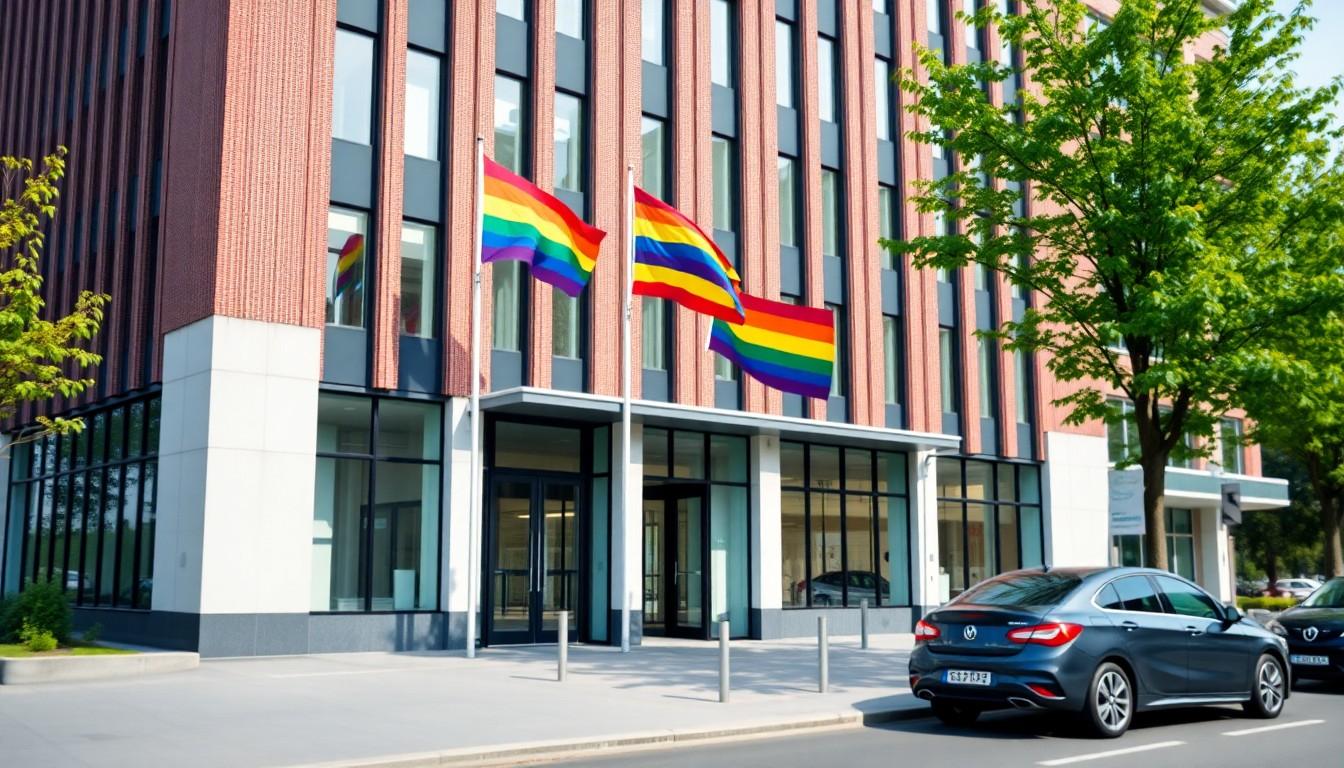
Shoppers are watching how brands mark Pride Month, and in Denmark that scrutiny matters: awareness is high, but people want year‑round action and real impact rather than one‑off logos. Here’s what Danes notice, why consistency wins, and how companies can show genuine support beyond the rainbow.
Essential Takeaways
- High awareness: More than eight in ten Danish adults know what Pride Month is, with younger people most likely to say they “know exactly” what it means.
- Authenticity matters: Consumers, especially queer customers, reward companies whose Pride activity fits broader, ongoing commitments.
- Backlash risk: Superficial gestures or sudden reversals can provoke swift criticism from both supporters and opponents.
- Practical wins: Year‑round policies, employee support programmes and community partnerships carry more weight than temporary merch.
- Senses and instincts: People notice tone and texture , a sincere message feels warm and steady, a token campaign feels flashy and thin.
Danish familiarity is high , so brands can’t hide behind a logo
Awareness of Pride Month in Denmark is broad and immediate; most adults recognise it, and younger generations are particularly literate about the history and purpose. That widespread knowledge raises expectations: when consumers understand the issues, they can tell the difference between meaningful support and surface‑level gestures by sight and tone. According to Ipsos and local reports, familiarity makes audiences more demanding , brands that merely add rainbow filters feel thin compared with those that invest in staff training or partnerships.
Authenticity beats opportunism , and customers notice quickly
Queer consumers and allies overwhelmingly prefer companies that act consistently, not just for June photo ops. Coverage from LGBTQ Nation and broader polling shows the pattern: people reward authenticity and penalise tokenism. For firms, this means aligning Pride campaigns with concrete changes , inclusive hiring, non‑discrimination policies and donations to community organisations , so the message matches the mechanics behind it.
The backlash problem: what happens when support wavers
When organisations flip‑flop or face internal pushback, media and public reactions can be swift and loud. Recent examples in education and city events across the US show how sponsorship disputes and withdrawn gestures become headline stories, damaging trust on both sides. Brands should expect scrutiny from activists and critics alike; preparing clear, consistent communications and standing by commitments helps defuse controversy before it escalates.
How to make Pride activity actually count , practical steps for brands
Start with policy, then paint it with Pride. Embed inclusive practices into everyday operations: equitable benefits, transparent reporting on diversity, and funded programmes for LGBTQ+ causes. Partner with local NGOs in Denmark for long‑term projects rather than one‑off donations, and ensure staff consultation shapes campaigns. Small sensory cues matter too , communications that feel thoughtful, grounded and respectful land better than flashy, disposable merch.
Measuring impact: beyond likes and share counts
Don’t treat metrics as vanity. Track real outcomes: employee retention and satisfaction among LGBTQ+ staff, the reach and efficacy of funded programmes, and sustained public sentiment. Third‑party audits and independent partnerships lend credibility. Consumers notice follow‑through; consistent action builds loyalty, while empty gestures erode it.
It's a small change that can make every Pride campaign feel like a genuine conversation, not just a seasonal colour.
Source Reference Map
Story idea inspired by: [1]
Sources by paragraph: