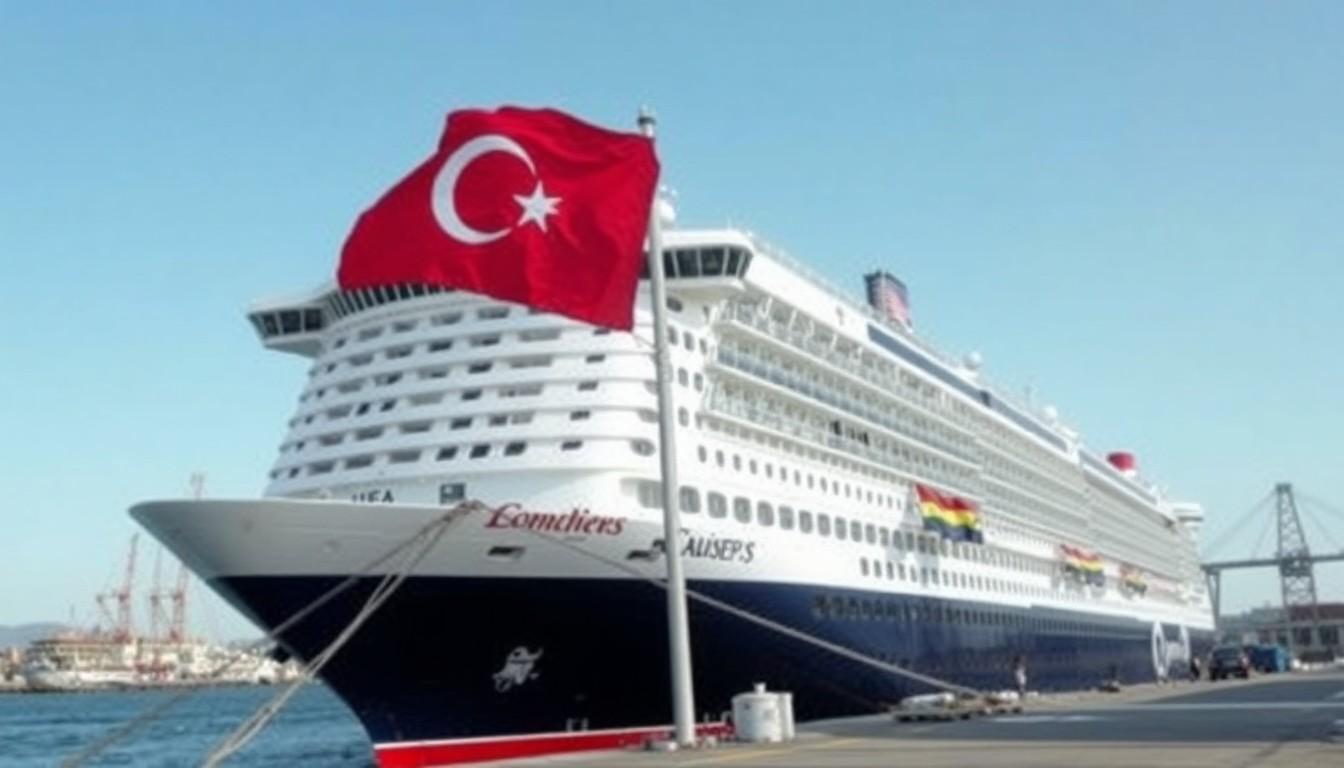
Shoppers and holidaymakers are watching closely as a 2,000‑passenger gay cruise was turned away from Turkey and Egypt, a sharp reminder that legal rights on paper don’t always equal welcome on the ground; here’s why it matters and how queer travellers can plan smarter.
Essential Takeaways
- Incident summary: A Virgin Voyages ship chartered by Atlantis Events, the Scarlet Lady, was denied docking in Turkey and later refused entry to Egypt, forcing a reroute to Crete and upsetting more than 2,000 passengers.
- Legal versus lived reality: Same‑sex relations may be legal in some countries, but social and political climates mean public LGBTQ+ expression can still be risky.
- Watchlist countries: Recent enforcement and bans in nations including Turkey, Egypt, Russia and parts of Africa show rights can be rolled back quickly.
- Practical safety: Choose ports, shore excursions and apparel with local norms in mind, register with providers, and have alternative plans and insurance.
- Emotional note: Discrimination hits tourist wallets and dignity alike , many passengers pledged to spend elsewhere and stay defiant.
What happened to the Scarlet Lady, in plain terms
The strongest fact is simple: a 2,000‑plus passenger cruise, largely booked through gay tour operator Atlantis Events, was denied entry to Turkish ports and later to Alexandria in Egypt, before being allowed into Crete. According to reports in The Guardian and Pax News, Turkish authorities cited the charter’s passenger demographics as incompatible with social and moral values. The refusal left passengers stunned and required last‑minute itinerary changes and extra logistics. For many on board, it was both an inconvenience and a sharp reminder that visibility can carry tangible consequences.
Why legality doesn’t guarantee safety
There’s a yawning gap between what’s written in law and what people experience. For instance, same‑sex relations have been legal in Turkey for decades, yet public Pride events and campaigning have been curtailed under President Erdoğan’s administration, and legal actions against LGBTQ+ activists have increased. Similarly, countries that keep colonial‑era statutes on the books or introduce new restrictions can still allow sporadic tourism , until politics shifts. The point is practical: check recent developments, not just statutes, before you travel.
How the political wind shifts rights quickly
Across regions the pattern repeats. Russia’s so‑called gay propaganda laws and Hungary’s recent restrictions show that right‑wing political movements can tighten the screws fast, and sometimes reverse long‑standing progress. In Africa and beyond, funding and ideological exports from foreign groups have shaped harsher laws in countries like Uganda. Conversely, other nations such as Mauritius, Botswana and Thailand have liberalised or recognised same‑sex relationships. The takeaway is that travellers should follow current news and local reporting, because a place that was welcoming last year might not be this season.
Practical travel tips for LGBTQ+ holidaymakers
Plan with both optimism and contingency. First, research destination‑specific guidance from local LGBTQ+ groups and international NGOs, and cross‑check cruise lines’ and tour operators’ experience in those ports. Second, register travel plans with your embassy, keep digital and physical copies of documents, and buy flexible insurance that covers itinerary changes. Third, pick discreet or mixed shore excursions if you expect low tolerance, and pack clothing that helps you blend in where needed. Finally, agree a meet‑up plan with your group in case of sudden port changes , small redundancies save a lot of stress.
What this means for the travel industry and travellers
The incident is a business as well as a rights issue. Travel companies that cater to LGBTQ+ clients, like Atlantis Events, have historically navigated tricky ports repeatedly without incident; sudden denials hit reputations, revenues and customer trust. According to Nautical Flock and Nautical press summaries, operators now need clearer port guarantees and backup plans. For travellers, the reaction from passengers , many vowing to “sparkle” elsewhere , underlines a simple market truth: discriminatory ports lose valuable tourism. Expect operators to push for stronger assurances, and for savvy travellers to vote with their wallets.
It's a small change to your itinerary planning that can make every holiday safer and more joyful.
Source Reference Map
Story idea inspired by: [1]
Sources by paragraph: