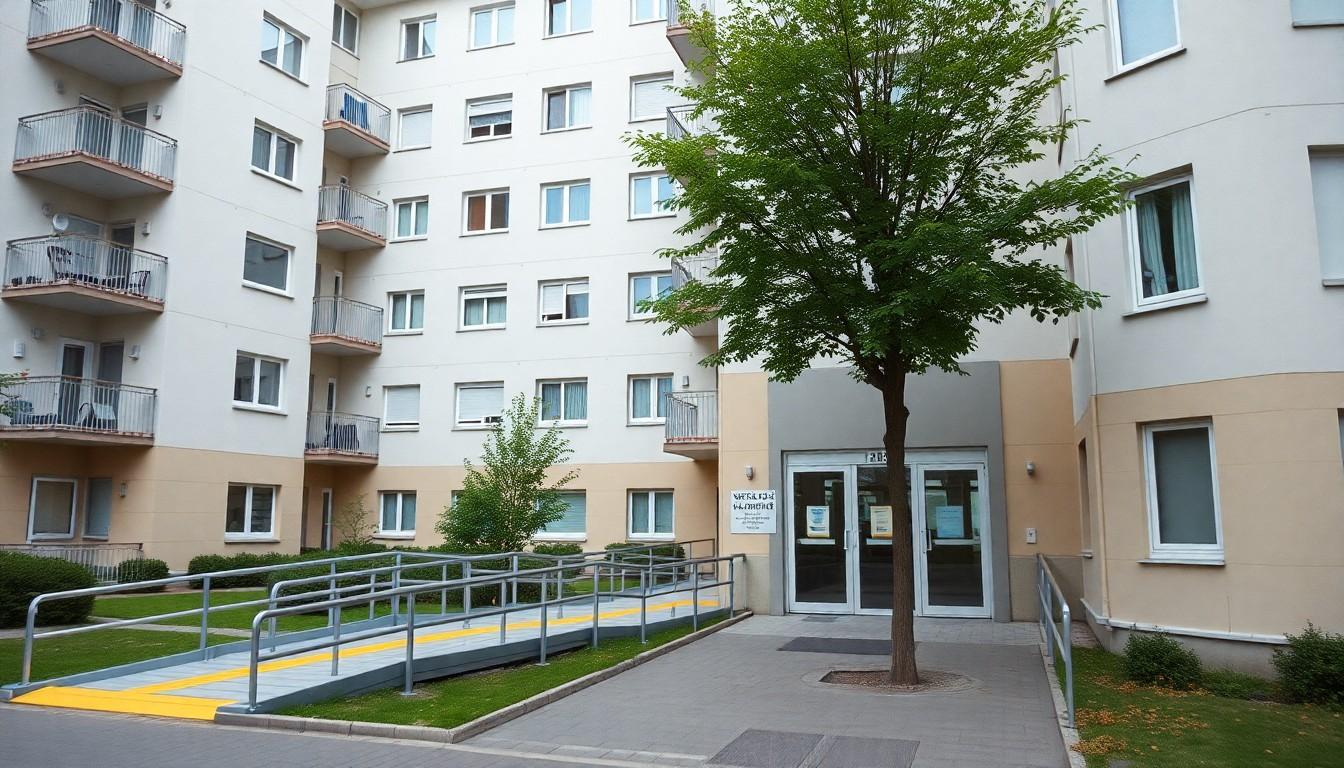
Shoppers are turning to community-led housing as Berlin unveils a pioneering 72-unit apartment complex reserved for lesbians and bisexual women , affordable rents, accessible design, and on-site cultural spaces aim to tackle loneliness and housing insecurity for ageing queer women.
Essential Takeaways
- Affordable base rent: 41 subsidised units start at €6.90 per square metre, with other apartments on income-based tiers (€11 and €15.45/m²), offering a mix of low-cost and sliding-scale options.
- Accessible and supportive: Eight units are designed for higher care needs, including five wheelchair-accessible flats, plus on-site counselling and community services.
- Community life on-site: The building includes a queer cultural centre, café and event spaces run by Rad und Tat (RuT) to keep lesbian culture visible and social.
- High demand: Applications that opened in February 2026 were filled quickly; the development aims to open in August 2026.
- Public–nonprofit collaboration: The project is a partnership between RuT and state housing association WBM, showing how municipal support can enable niche, inclusive housing.
Why Berlin built housing just for lesbians , and why it matters
Berlin has long been a hub for queer life, but ageing lesbian and bisexual women often face unique barriers: smaller social networks, lower pensions, and a fear of invisibility in standard care settings. According to local reporting, Rad und Tat and WBM designed this project to counter those gaps with affordable, community-focused homes. The result feels intentional , there’s a warm, civic signal here that queer elderhood deserves its own social infrastructure.
What the apartments offer , affordability, accessibility, and variety
The complex includes one- to four-bedroom flats, with 41 subsidised units at a very low base rent and the rest priced on a sliding scale to match income. A cluster of eight apartments is set aside for residents who need extra care, five of which are wheelchair-accessible, so the building isn’t just symbolic: it’s practical. If you’re choosing a unit, look at room layout and care access first, then weigh communal spaces that fit how social you want your later years to be.
Community features: more than bricks and mortar
This isn’t just housing; it’s built around a queer cultural centre and spaces for events, a café and counselling run by RuT. Those amenities are intended to keep lesbian life visible and connected, with mobile cultural events already part of RuT’s programming. For residents, that can mean arts nights, peer support and easy ways to make new friendships without needing to travel across the city.
How the project came together , partnership and persistence
The idea began about a decade ago when RuT members realised there was no tailored housing for older lesbians. WBM, the state-owned housing association, partnered with the nonprofit to make it happen, signalling strong local political support. Officials have praised the collaboration, and construction began in 2023; demand was so high that the first application round filled quickly after opening in February 2026.
Who benefits and what to consider if you’re interested
This project chiefly serves lesbian and bisexual women seeking community-based, affordable housing into old age. It’s particularly helpful for anyone worried about isolation or about living in a senior setting that erases queer histories. If you’re considering similar models elsewhere, take away three practical points: secure a public partner for subsidies, include accessible units from the start, and build programming budgets into operating costs so community life doesn’t rely solely on volunteers.
It's a small change that can make every future neighbourhood thaw a little sooner.
Source Reference Map
Story idea inspired by: [1]
Sources by paragraph: