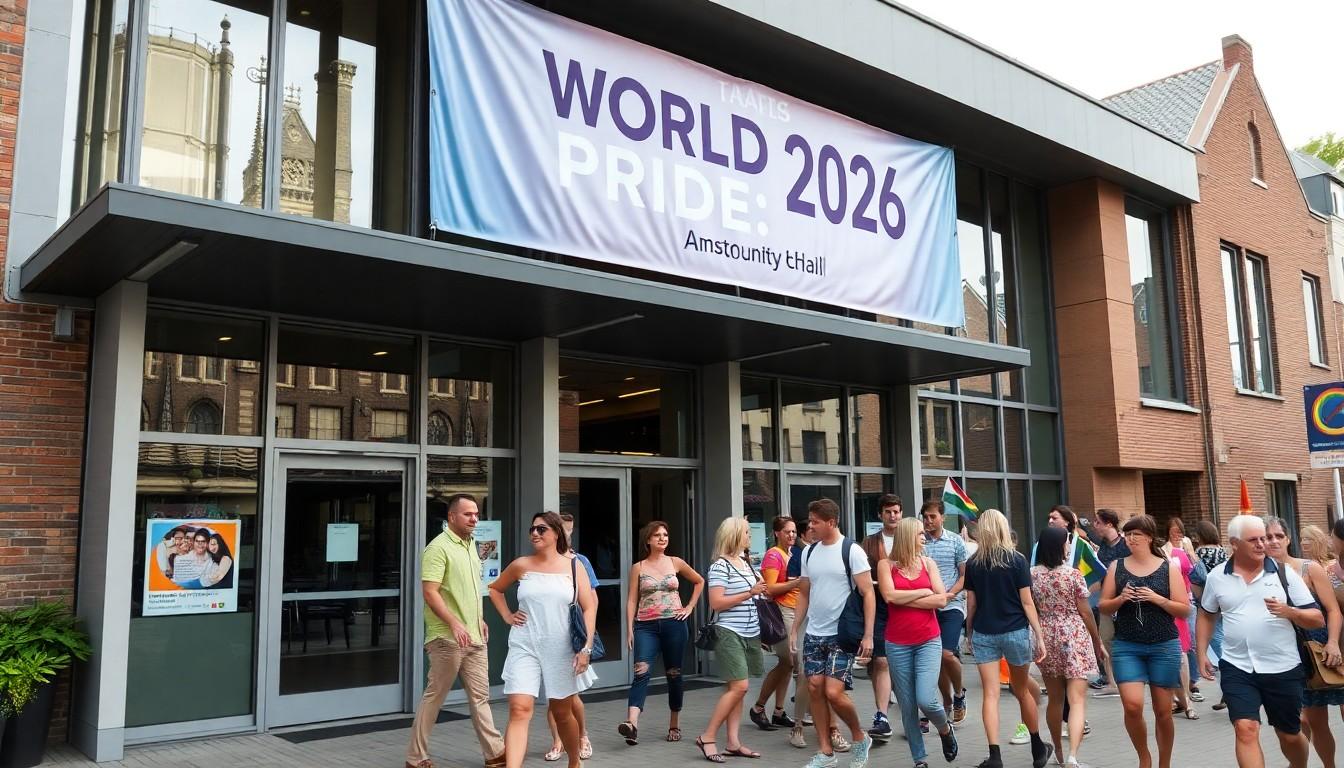
Jump into the party: travellers and Pride-goers are already planning for World Pride Amsterdam 2026, a two-week celebration of unity running from 25 July to 8 August that promises parades, parties, culture, and history in one of Europe’s most open cities. Here’s what to expect, how to prepare, and why Amsterdam matters as a host.
Essential Takeaways
- When and where: World Pride Amsterdam runs 25 July–8 August 2026 across venues and canals in the Dutch capital.
- Theme: Unity is the central message , Amsterdam aims to be a symbol of solidarity for LGBTQIA+ communities worldwide.
- Big draw: Expect parades, a canal parade, concerts, exhibitions, and large-scale public events that attract international crowds.
- Practicalities: Book transport and accommodation early, pack for warm days and possible rain, and plan around major parade days for crowds and closures.
- Local vibe: Amsterdam mixes historic canals and queer heritage with a lively club and cultural scene , it’s scenic, friendly, and very walkable.
Why Amsterdam is a meaningful host this year
Amsterdam’s selection as World Pride host feels historically apt and emotionally resonant. The Netherlands marked 26 years since legalising same-sex marriage, and Amsterdam has long been a European centre for queer culture. The city’s canals, cosy cafés, and tolerant spirit give events a human scale, and organisers have framed the 2026 edition around togetherness and solidarity.
The choice also sends a message. According to InterPride and local organisers, hosting World Pride in a city with a long queer history allows Amsterdam to showcase both celebration and activism. Expect displays of culture and history alongside the music and parades.
What the programme looks like , highlights to pencil in
World Pride features multi-layered programming: official opening ceremonies, the famous canal parade, concerts, theatre, art exhibitions, and neighbourhood parties. The city will host a mix of ticketed and free events, with large-scale outdoor stages and more intimate venue shows scattered through neighbourhoods like Jordaan and De Pijp.
If you love live music, art, or activism, check the official schedule early. Big parade days bring the most atmosphere , colourful floats, packed quaysides, and a real sense of communal joy , but smaller events let you catch local queer history and quieter moments too.
Planning practicalities: travel, stay, and getting around
Book early. Flights, trains, and hotels will sell out fast for peak days. Amsterdam is well served by Schiphol airport and excellent rail links from across Europe, so consider arriving a day or two before the top events to avoid last-minute stress.
Within the city, cycling and walking are the smartest ways to move around, though expect busy bike lanes during the festival. Public transport will run extra services, but large streets and bridges may close for parades , allow extra time and use official event maps. For quieter stays, choose a canal-side neighbourhood a short tram ride from the main festival hubs.
Safety, accessibility, and family-friendly options
Organisers have emphasised inclusivity and safety as core priorities. There will be clearly signposted safe zones, accessible venues, and information centres to assist visitors. If you travel with family or need accessible facilities, plan routes and check venue accessibility in advance, as older canal bridges and historic buildings can present challenges.
Be mindful of pickpocketing in crowds and the usual festival considerations , stay hydrated, keep your phone secure, and agree on meeting points with your group. Local authorities and InterPride will publish guidance ahead of the busiest days.
Cultural context and why this World Pride matters
World Pride has been hosted by cities like Rome, London, Toronto, Madrid and Sydney, drawing millions over its editions. Amsterdam’s programme aims to balance celebration with a reminder that queer rights are still fragile in parts of the world. The theme of Unity reflects that dual aim: a festival that’s fun and fiercely political at once.
Expect the city to use the moment to highlight queer history, local activism, and international solidarity. For travellers, it’s an opportunity to enjoy big parties while witnessing a global movement in a city that has long been part of that story.
It's a small change that can make every celebration more memorable and meaningful.
Source Reference Map
Story idea inspired by: [1]
Sources by paragraph: