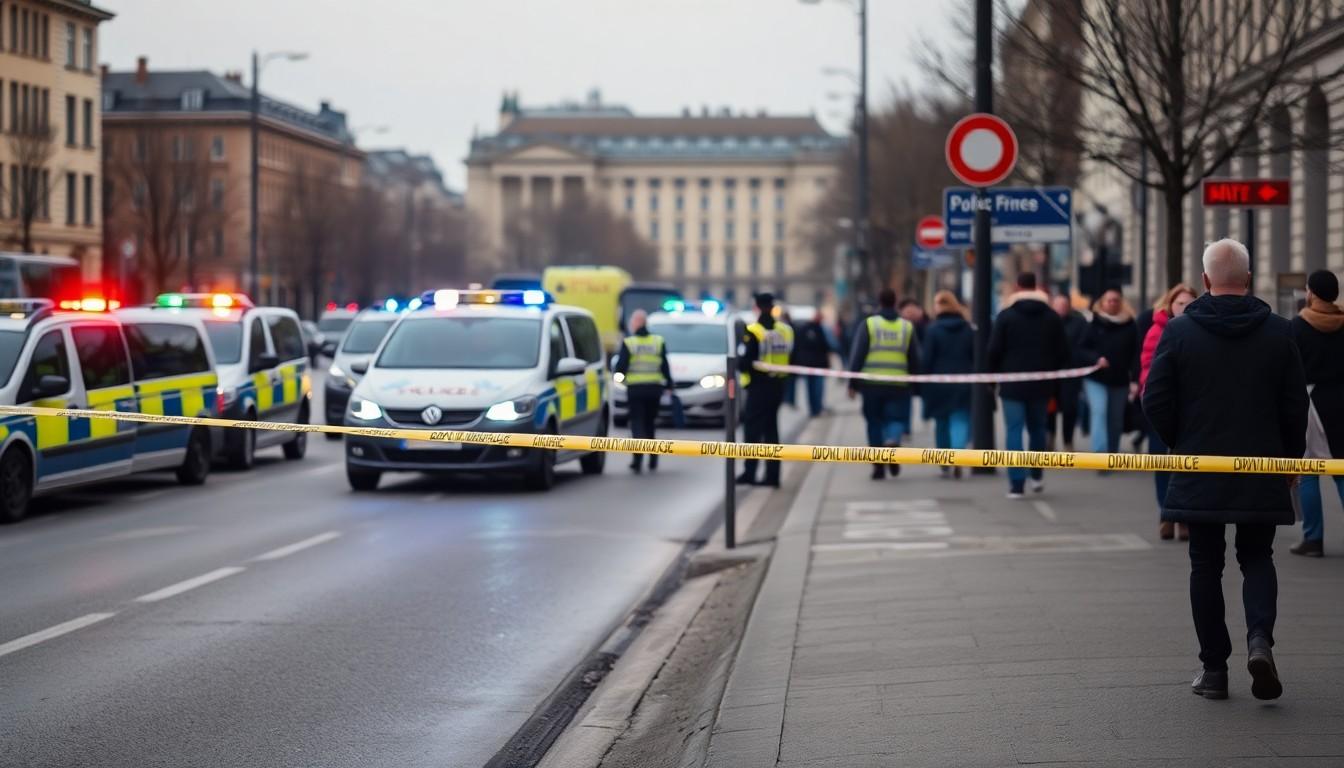
Shoppers, tourists and marchers suddenly found themselves watching a scene of chaos in central Berlin, as police halted the city’s LGBTQ+ Pride parade after a vehicle struck people; organisers and authorities scrambled to secure the area and treat the injured, and the cancellation raises fresh questions about public safety at mass events.
Essential Takeaways
- What happened: A vehicle ploughed into crowds during the Pride procession in central Berlin, prompting police to stop the parade and declare the area unsafe.
- Injuries reported: Authorities and news outlets said several people were hurt; emergency services treated and transported victims to hospital, while bystanders described a scene of shock and confusion.
- Police response: Officers sealed off parts of the route, carried out initial investigations on site, and urged people to avoid the area while inquiries continued.
- Community reaction: Organisers and attendees expressed alarm and sadness, with calls for solidarity and reassurance about safety at future events.
- Practical note: If you’re attending large public gatherings, follow official guidance, note exits and first-aid points, and keep phones charged for updates.
What unfolded on the route , a sudden, alarming moment
The parade started as planned, colourful floats rolling through Berlin’s streets, but the mood changed quickly when a car hit people near the procession. Witnesses described a heavy, sudden impact and a tense, brittle quiet as first responders arrived. According to multiple news reports, emergency services treated and transported injured people to hospital, while police moved to secure the scene. For anyone there, the visual of an interrupted celebration was stark and upsetting.
Police called it off , why the cancellation matters
Officers made the call to stop the parade after assessing risks to public safety, saying the scene needed to be stabilised and investigated. Reuters and other outlets noted the immediate priority was tending to victims and preventing further harm. Cancelling an event of this scale is rare and signals serious concern; it also complicates logistics for thousands of attendees and performers who’d travelled to be part of the day.
How authorities handled the aftermath , cordons, inquiries and support
Police quickly erected cordons and worked with medical teams, while witnesses and participants were checked for injuries or shock. News organisations reported that investigators began probing the circumstances around the vehicle, treating the incident as an urgent matter. Meanwhile, organisers and local officials moved to set up support for those affected and to communicate safety information to the public.
Community reaction and wider context , safety at public celebrations
There was immediate shock and sorrow in the LGBTQ+ community and among allies, who use Pride events as vital spaces for visibility and unity. Coverage from outlets including the Associated Press and the Washington Post highlighted calls for calm and solidarity, and leaders emphasised the need to protect public gatherings. The incident also feeds into a broader conversation about event security in European capitals, especially for marches that are both celebratory and politically meaningful.
What attendees and organisers can learn , practical safety tips
If you’re planning to go to large events, keep a few simple habits front of mind: note emergency exits and meeting points, travel in groups if you can, charge your phone and follow official social-media channels for real-time updates. Event organisers should continue to work with local police on risk assessments, clear vehicle barriers where appropriate, and ensure medical help is easily reachable. These steps won’t remove all risk, but they make a tangible difference when minutes count.
It's a sharp reminder that celebrations can be fragile , and that community, preparedness and compassion matter most in the moments after.
Source Reference Map
Story idea inspired by: [1]
Sources by paragraph: