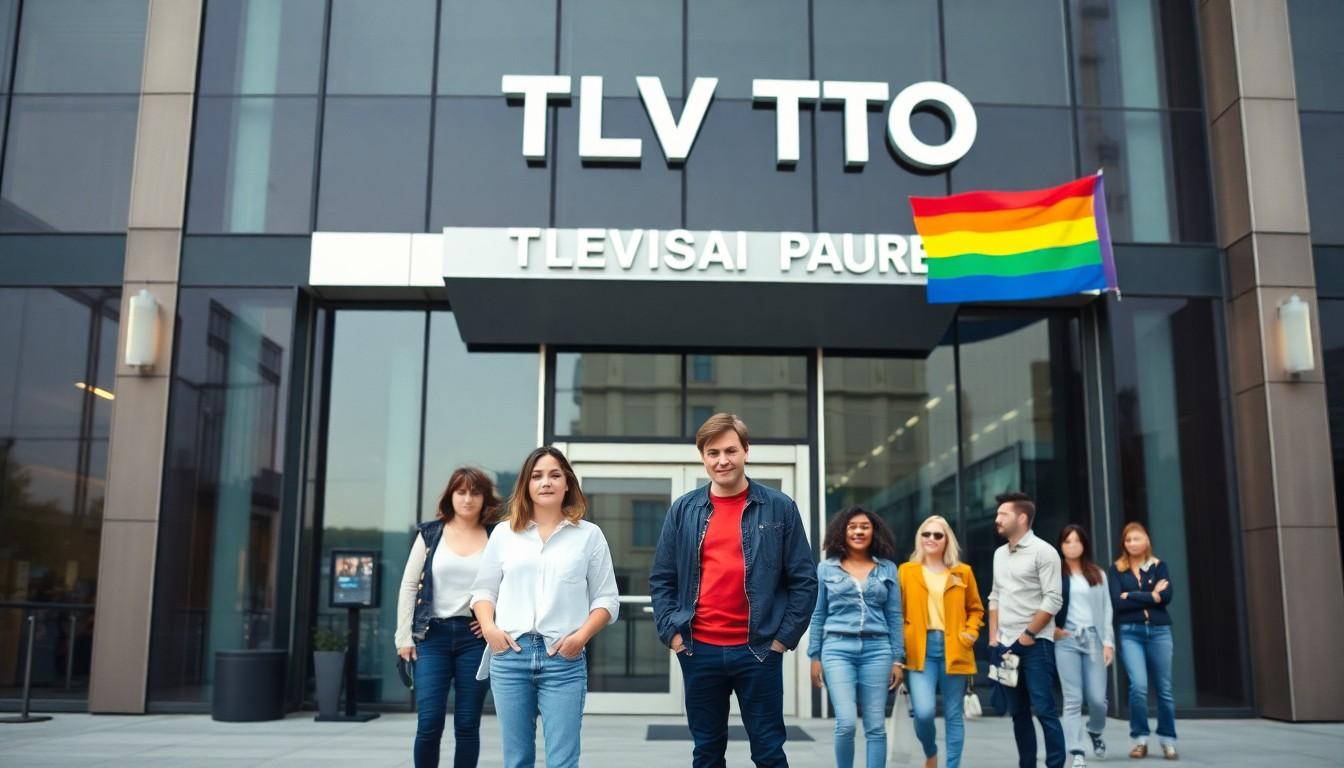
Shoppers of screen time are seeing red: the FCC’s chairman has proposed warning labels for TV that flag LGBTQ+ characters and storylines, sparking a fierce back-and-forth about censorship, kids’ media and whether being queer is being “contentious.” This matters because it could change what networks show and what families feel safe letting their kids watch.
Essential Takeaways
- What’s proposed: FCC Chairman Brendan Carr asked for an inquiry into content advisories that would single out transgender and non-binary representation on television.
- Public backlash: Roughly 80% of more than 33,000 public comments opposed the move, defending inclusive storytelling and pushing back on stigma.
- Advocates’ position: Groups like GLAAD, Human Rights Campaign and PEN America call the policy viewpoint discrimination and say it misuses a ratings system meant for age-sensitive behaviour.
- Political split: The proposal drew support from dozens of conservative lawmakers but condemnation from 68 Democrats in Congress and a broad coalition of civil-rights organisations.
- Practical risk: If implemented, the labels could chill creators and reduce authentic queer characters in youth and family programming, limiting representation that many families rely on.
What exactly did the FCC chair suggest , and why people are so alarmed
Brendan Carr’s inquiry asks how content advisories might be applied to programmes that include LGBTQ+ themes, particularly around transgender and non-binary characters. That sounds like a technical regulatory move, but it lands heavy: viewers and creators worry it would effectively mark presence of queer people as a cautionary element. Free Press and LGBTQ groups call the idea repugnant, and the reaction is visceral because it feels like a government attempt to single out identities rather than behaviours. For families, the immediate sting is emotional , parents who want diverse mirrors and windows for kids fear those windows might be shuttered.
How the ratings system is supposed to work , and where this would deviate
Television ratings, under the Telecommunications Act framework, are meant to signal age-sensitive conduct , nudity, violence, explicit language , not to label who appears on screen. Industry oversight has historically been voluntary and behaviour-focused, not identity-focused. Critics say this proposal misapplies that system, turning a tool for parental guidance into a blunt instrument that could stigmatise everyday stories about queer lives. The practical upshot: networks could self‑censor to avoid controversy even if no law mandates it.
The political and civic pushback , big groups and big numbers
The backlash has been multi-front. Sixty‑eight Democratic members of Congress and civil liberties groups blasted the idea, while organisations like GLAAD, the Human Rights Campaign and PEN America have vowed legal resistance, calling out the constitutional problems with treating existence as a safety issue. At the same time, nearly 80% of more than 33,000 public comments favoured visibility, showing the depth of grassroots concern. Industry outlets and advocacy reporting have framed this as less about content warnings than about a new avenue to police who gets to appear on screen.
What this could mean for creators, broadcasters and families
If broadcasters anticipate a new advisory regime, they're likely to alter what they pitch and greenlight, especially in youth and family programming where advertiser sensitivity and parental complaints already carry weight. That’s the chilling effect activists warn about , fewer transgender and non‑binary characters, softer stories, or tokenism instead of real representation. For parents, that translates into narrower choices and less opportunity for children to see themselves reflected honestly. Practical tip: check creators’ statements and independent reviews for honest previews of queer representation, and support shows publicly to counter market pressures.
How advocacy groups plan to fight , legal, public and cultural strategies
Organisations leading the opposition say they’ll use the courts, public comments and industry pressure. PEN America, Free Press and others argue the move would be unconstitutional viewpoint discrimination and have the backing of a sizeable civic response so far. Meanwhile, cultural defence looks like visibility and demand: campaigns to boost ratings for inclusive shows, partnerships with platforms that resist censorship, and continued public commenting during regulatory windows. The bottom line is that this is shaping up as a long, mixed legal and cultural fight rather than a quick regulatory tweak.
It's a small change on paper that could make a big change to what you and your family see on screen.
Source Reference Map
Story idea inspired by: [1]
Sources by paragraph: