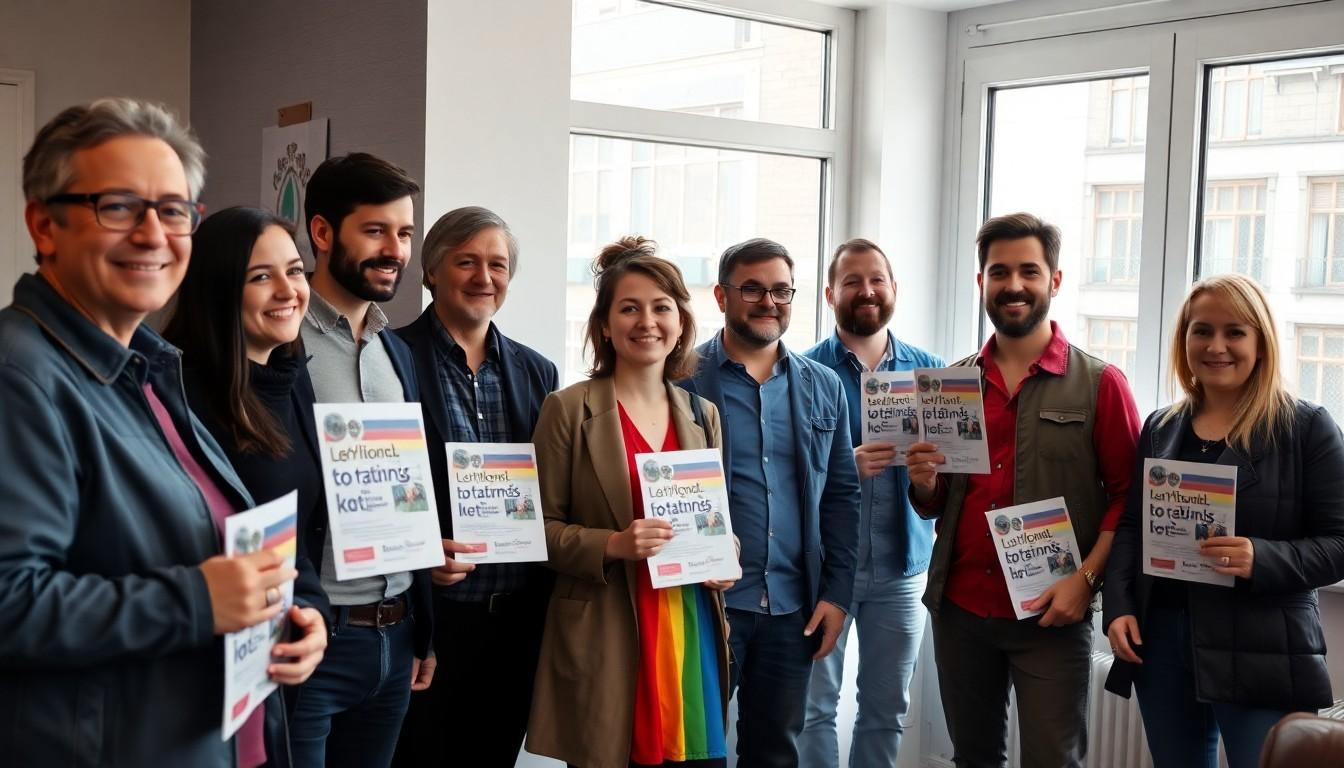
Notice a surprising turn: gay and LGBT voters in parts of Europe and Latin America are moving toward conservative and far‑right parties, reshaping old assumptions about identity and politics and raising fresh questions about values, immigration and economic anxieties.
Essential Takeaways
- Growing right‑lean: Surveys and studies suggest rising support for right‑wing and far‑right parties among some gay and LGBT voters in Europe and Latin America.
- Not just culture: Economic pressures, crime and migration concerns are cited as drivers, not only identity politics or backlash against queer activism.
- Young and varied: The trend is particularly notable among younger LGBT voters in several countries, but support is fragmented and differs by national context.
- Local flavours matter: Parties from France to Germany and parties in Latin America attract LGBT voters for different reasons , from security to anti‑corruption.
- Practical choice: For many, backing conservative parties reflects priorities like family law, stability or opposition to particular immigration policies, rather than a full ideological conversion.
A visible ideological turn , what the data and anecdotes show
Polls in countries such as France, Germany and the UK point to a non‑negligible portion of gay voters shifting to parties on the right or far right, and similar patterns appear across parts of Latin America. The change feels stark because we’ve long assumed sexual minority status mapped neatly onto progressive politics. Yet the mood is more complex now, with voters reporting unease about safety, rising costs and institutional failures. According to research and reporting, this is less about repudiating queer rights and more about reprioritising day‑to‑day concerns.
Why migration, security and economics are central
For many LGBT people , especially those who’ve lived under authoritarian regimes or fled economic collapse , migration and public order are existential issues. Studies and regional reporting show that experiences of violence, state breakdown or mass displacement can push voters toward parties promising stability or tougher borders. In Latin America, the immigration of people from failing states has reshaped local politics; in Europe, terror attacks and debates about integration have been invoked by some LGBT voters as reasons to back stricter policies.
The role of generational change and queer politics fatigue
Younger LGBT voters seem more likely to make unconventional choices, partly because they interpret identity politics differently. Some express frustration with what they see as an increasingly doctrinaire queer agenda that focuses on cultural signalling rather than bread‑and‑butter issues. That said, the community isn't monolithic: older and younger cohorts diverge, and many still support centre‑left or liberal parties. The takeaway is that generational change is reconfiguring loyalties, not erasing them.
Parties, personalities and the appeal of conservative LGBT figures
Right‑wing parties have sometimes sought to normalise conservative LGBT voices as proof their platforms aren’t inherently anti‑gay. High‑profile LGBT figures in conservative movements, plus policy offers like legal recognition of marriage or adoption in exchange for other conservative positions, make it easier for some voters to reconcile sexuality and right‑of‑centre views. Political actors on the right also capitalise on anti‑establishment sentiment and promises to tackle crime or corruption, which can be persuasive if public services are failing.
What this means for activists, campaigns and everyday voters
Campaigners and parties ignoring these shifts risk talking past parts of the LGBT electorate. For activists, the lesson is to broaden the agenda: economic security, housing and safety matter as much as symbolic rights. Voters deciding where to place their cross should weigh specific policies , not just party labels , and consider long‑term trade‑offs. For journalists and researchers, the change calls for more granular polling and attention to local histories and migration flows.
It's a reminder that political identity is layered: sexuality matters, but so do wallets, neighbourhoods and memories of turbulence.
Source Reference Map
Story idea inspired by: [1]
Sources by paragraph: