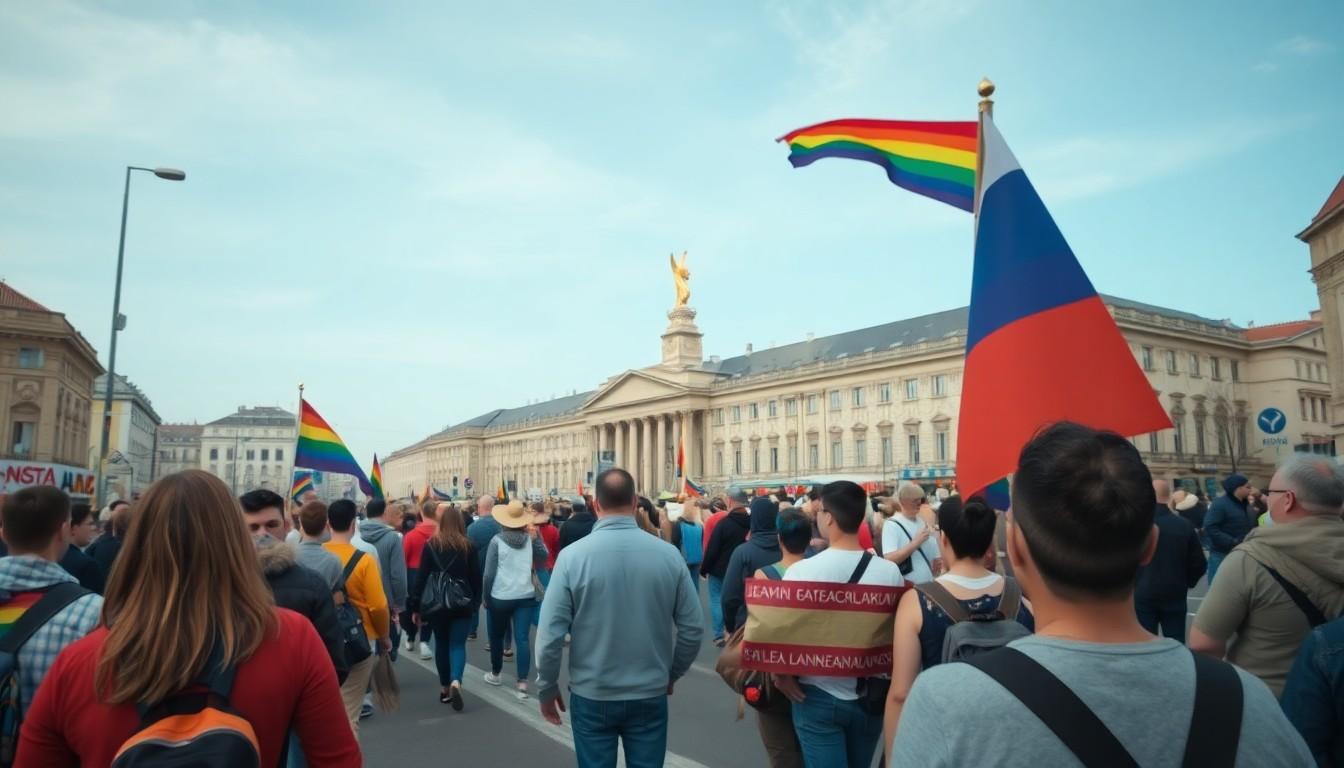
Shoppers are turning to stories of resistance as protesters in Oradea defy a fourth straight municipal ban and march anyway; the weekend event drew local activists, European politicians and embassy representatives, and underlined growing concern about rights and the rule of law in Romania.
Essential Takeaways
- Defied ban: Organisers went ahead with Oradea Pride on 25 July despite the city hall refusing permission for the fourth year running.
- Heavy-handed response: Gendarmes issued fines before the march started, creating a tense, surreal atmosphere.
- International backing: European Parliament figures and at least eight embassies were reported as present or supportive.
- Persistent organisers: Ark Oradea submitted over 100 proposed routes, saying authorities repeatedly used technicalities to block events.
- Broader alarm: NGOs and political figures have asked the European Commission and national bodies to step in, citing threats to peaceful protest.
A march that felt both joyful and defiant
The strongest image from Oradea was small but stubborn: people chanting and smiling while being fined, a mix of colour and calm in a square that felt heavier than usual. Organisers from Ark Oradea made clear they weren’t looking for confrontation, but the crowd’s mood was resolute rather than frightened. According to local reporting, many began singing “I don’t care, I love it,” turning a familiar pop lyric into a rallying cry.
This wasn’t a spontaneous outing. The group had tried to play by the rules, presenting municipalities with more than a hundred alternative routes, yet all were refused. The repeated refusals have left activists and allies portraying the bans as political manoeuvres rather than neutral public-safety decisions.
Why the authorities keep saying no
City hall in Oradea has cited legal or technical reasons in previous years, and this time was no different. That pattern has prompted NGOs and civic groups to argue the refusals are a form of indirect censorship, one that chips away at rights citizens usually take for granted. Local coverage suggests the mayoralty and some national figures are comfortable letting prohibitions stand without much public defence.
International voices soon joined the fray. European Parliament vice-president Nicu Ştefănuţă publicly condemned the response, saying the handling of the march marks a stain on European freedoms. NGOs have formally asked the European Commission to look into the bans, arguing that sending a message matters as much as the march itself.
How international attention changes the picture
There’s a practical and symbolic effect when diplomats and foreign representatives visibly support a local event. Reports say at least eight embassies were involved in some capacity, and several European political groups urged authorities to permit the march. That kind of backing raises the political stakes and makes the municipal ban harder to shrug off as mere local housekeeping.
Still, international pressure doesn’t instantly unblock local decision-making. The dynamic instead highlights a tug of war: local officials asserting control and outside actors saying Romania must live up to European norms. For organisers, the aim is to keep pressing, using diplomacy, legal avenues and publicity to tilt outcomes in future years.
What this means for Romanian civil rights
For many observers, Oradea’s repeated bans aren’t isolated incidents but part of a broader shift in regional politics, where authorities in several countries have tightened rules around protests and LGBTQ+ visibility. Politicians like Ştefănuţă have framed the ban as symptomatic of a wider erosion of democratic safeguards, warning that what starts as “technical” exclusions can harden into systemic discrimination.
Practically, that matters to anyone who relies on the right to assemble: activists, minority groups, and civic watchdogs. If cities can repeatedly deny permits on debatable bases, the normal channels for public dissent become less reliable. Which is why NGOs and legal teams are preparing longer fights and why organisers continue to document each refusal carefully.
How to interpret and support peaceful protest locally
If you follow these stories from elsewhere in Europe, there are a few straightforward takeaways. First, marches often go ahead even when banned, but that can mean fines or arrests for participants , so organisers tend to advise people on legal risks beforehand. Second, sustained advocacy matters: legal complaints, international appeals and media attention can shift negotiations over time. Finally, practical support , from monitoring groups, legal aid, or embassy statements , can materially change how authorities behave.
For anyone thinking of attending or backing future events, ask organisers about risk assessments, stay informed about local rules, and consider supporting NGOs that provide legal and logistical help.
It's a small change that can make every march safer and every voice harder to silence.
Source Reference Map
Story idea inspired by: [1]
Sources by paragraph: