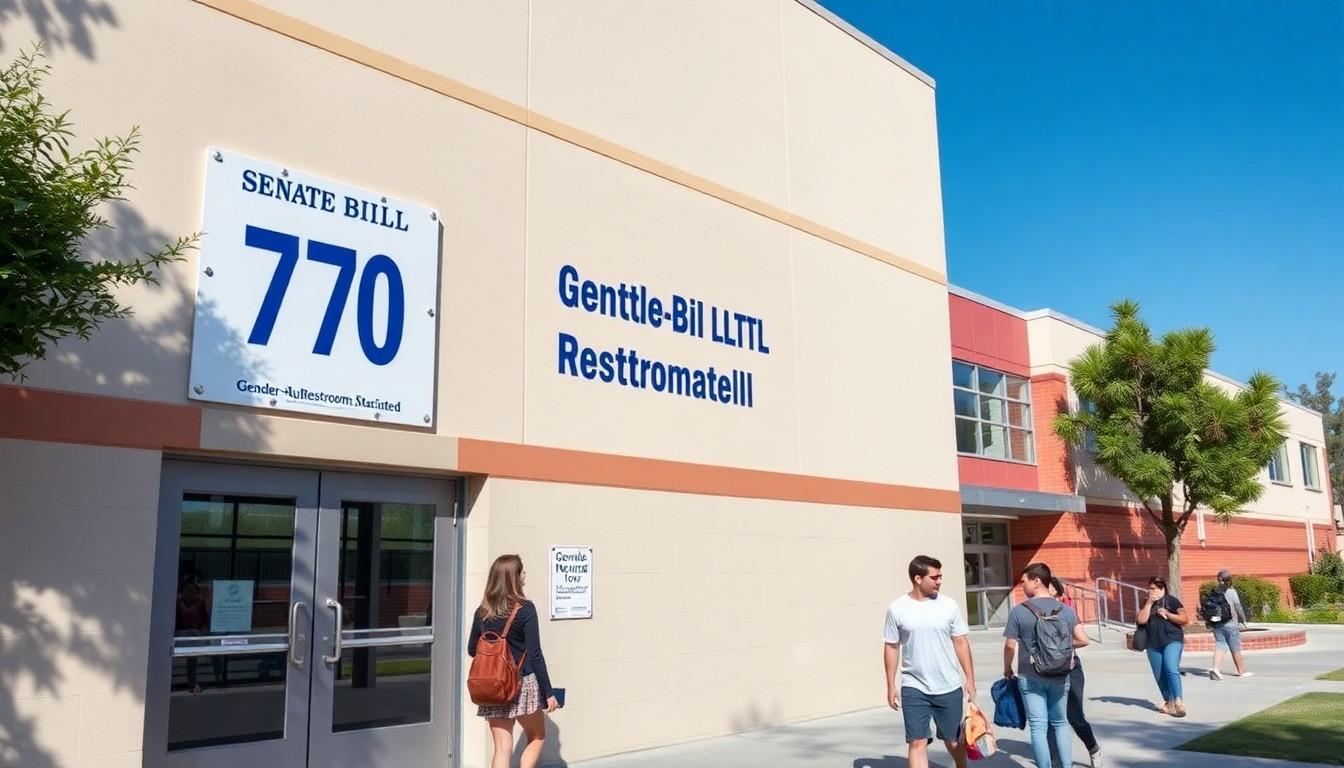
Shoppers are turning to brighter school corridors: California has rolled out new laws enhancing LGBTQ+ safety, mental-health access and privacy protections across campuses and courts, and they matter for students, families and anyone who cares about basic dignity.
Essential Takeaways
- Gender-neutral restrooms: California now requires at least one accessible, gender-neutral restroom in every K–12 school, with standard signage and a staff contact for students and families.
- Crisis information on IDs: New student IDs for middle schools, high schools and colleges must list The Trevor Project’s 24/7 contact details and the national 988 lifeline.
- Sealed court records: Petitions to change legal names and gender markers are automatically sealed to protect privacy, removing the newspaper-notice step.
- Faster document updates: Driver’s licences and state records must be updated within a defined window, cutting delays for adults aligning records with their identity.
- Practical benefits: These rules are small, tangible changes , calmer trips to the loo, quicker access to help, and fewer public privacy risks.
What the new restroom rule looks like in schools
The clearest, most visible change is on the ground: at least one gender-neutral, accessible restroom must be open during school hours in every K–12 building. That matters because it gives students a quiet, safe place that feels less fraught than choosing between binary options.
The requirement includes standard signage and a designated staff point of contact so students know who to ask if there’s a problem. According to school-district guidance and legislative summaries, this isn’t optional window dressing , it’s a state standard for physical access and communication.
If you’re a parent or teacher, check your school’s map at the start of term, ask where the staff contact sits, and expect clear signs. For schools, this is a simple infrastructure shift that can ease daily anxiety for trans and non-binary pupils and reduce bullying opportunities.
IDs that point kids straight to help
Another practical tweak: new student ID cards issued in middle school, high school and college must print The Trevor Project’s 24/7 contact info alongside the national 988 lifeline. That single line on a wallet-size card could shorten the path from crisis to help.
Youth mental-health advocates have long argued that crisis hotlines need to be visible where teens already carry information. Having the number on IDs means a frightened student or a concerned friend doesn’t have to search online at a shaky moment.
Schools should update their issuing processes and stock of IDs; parents might want to ask when their child’s next ID will be reprinted. And if you’re worried about stigma, remember: the presence of a hotline is a discreet lifeline, not a badge.
Privacy wins in court procedures
For adults seeking to change names or gender markers, the legal landscape just got a lot quieter. Court petitions filed for these updates are now automatically sealed, removing the old requirement to publish notices in newspapers and reducing the chances of outing.
This change accelerates privacy protections and reduces the exposure that once came with legal transitions. It also establishes a targeted processing window for updating driver’s licences and state records, trimming administrative lag that used to leave people mismatched with their IDs for months.
If you’re contemplating a legal change, the new rules mean less public hassle; check local court websites for streamlined forms and timelines, and consider legal clinics or LGBTQ+ organisations for step-by-step guidance.
Why these laws matter beyond headlines
Taken together, the measures add up to a practical safety net. Restrooms reduce daily stress and potential harassment, IDs make crisis help immediate, and sealed records cut the risk of public outing and discrimination.
Policy watchers note these moves follow years of pressure from advocacy groups and school districts seeking clearer, uniform protections. For communities facing hostility elsewhere, California’s approach offers a model: tangible, everyday changes that protect dignity.
Expect rollout bumps , signage design, card-printing logistics, and court clerks adjusting workflows , but those are implementational, not ideological, hurdles.
How families and schools can prepare right now
Parents and guardians can ask schools where the new restroom(s) are, whether staff contacts are trained, and when updated IDs will be issued. Schools should update student-handbook language, coordinate with local print vendors for IDs, and brief staff on privacy protocols.
Adults considering legal updates should check their county court’s new procedures and timelines, and reach out to LGBTQ+ legal services for help with forms and expectations. And communities can normalise these changes by treating them as basic access measures , like ramps or accessible signage , not special treatment.
It's a small set of steps that makes daily life safer and more dignified.
Source Reference Map
Story idea inspired by: [1]
Sources by paragraph: