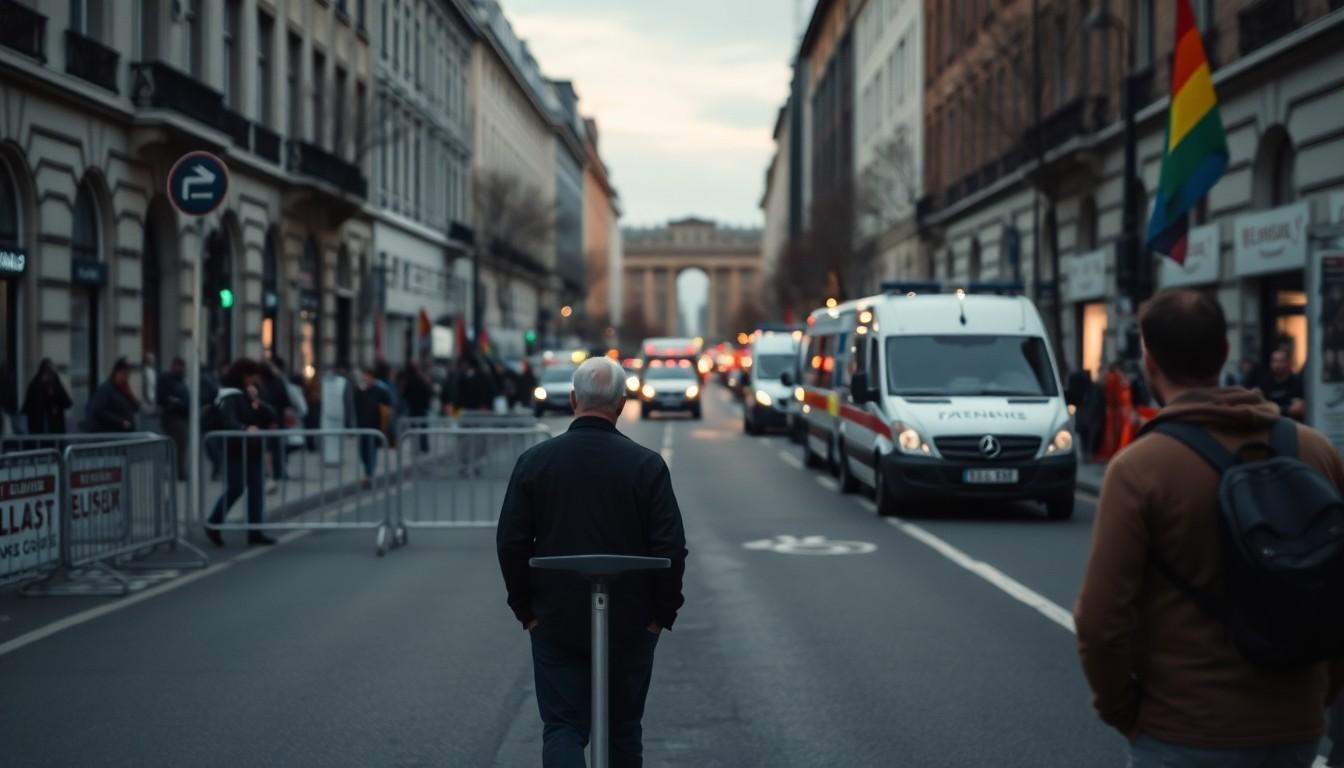
Shaken readers are looking for answers after a vehicle struck crowds at a Berlin Pride event, killing one and wounding many; leaders and communities are urging solidarity and resilience as investigators probe a suspected Islamist-motivated attack that targeted a symbol of LGBT+ freedom.
Essential Takeaways
- Casualties and scene: One person was killed and dozens injured after a vehicle struck people at a Christopher Street Pride event in Berlin; the scene was described as chaotic and traumatic.
- Suspect profile: Authorities identified a young man with prior convictions and reported links to Islamist circles; officials are investigating the incident as terrorism.
- Target and symbolism: The attack struck at Pride, an event that celebrates LGBT+ rights and personal freedom, heightening emotional damage beyond physical harm.
- Public response: Political leaders and royal figures publicly urged calm and mutual support; visible solidarity at events can help reassure vulnerable communities.
- Practical safety note: In crowded outdoor events, staying aware of exits, keeping a small emergency plan with friends, and reporting suspicious behaviour remain key steps.
What happened, in human terms
The immediate fact is stark: a vehicle ploughed into people gathered for a Pride-related event in Berlin’s Tiergarten, leaving one dead and many hurt. Witnesses spoke of shock and confusion, emergency services racing to tend to the wounded, and streets filled with the noisy, shocked stillness that follows sudden violence. According to news outlets reporting from the scene, police later tracked down the suspect, who died after a confrontation with officers.
Why investigators are treating this as terrorism
Authorities have been pursuing the possibility this was a politically or ideologically motivated act rather than a traffic accident. Media coverage says the suspect had prior convictions and reported connections to Islamist circles, which has shifted the investigation toward terror charges. Terrorism, as criminologists and counterterrorism experts often note, aims to maximise psychological harm by hitting symbols as much as people; that’s why a Pride gathering, open, public, and emblematic of LGBT+ freedom, would be especially targeted.
The symbolic wound: Pride as a deliberate target
Pride events are more than parties; they’re living history. Christopher Street references past uprisings and the struggle for LGBT+ rights, so an attack there resonates beyond the immediate victims. Leaders and community members have described the assault as an assault on shared values, freedom, equality and the right to live openly. That symbolic harm is part of why public figures attended Pride openings and issued messages of support, hoping visibility itself offers reassurance.
How communities and leaders respond helps shape recovery
Public solidarity matters. When high-profile figures turn up at events, it sends a message that victims aren’t isolated. Organisers, faith groups and local officials have been telling people to hold one another and offer practical support, counselling, safe spaces, and legal help. At a time like this, small actions, checking on neighbours, amplifying trusted sources of information, volunteering for local support groups, can blunt the corrosive effect of terror on civic life.
Staying safe and showing support at public events
You don’t have to live in fear, but a little planning helps. If you attend open-air gatherings, agree a meeting point with friends, note exits and have a charged phone and a small first-aid kit. If something happens, follow official instructions and don’t share unverified footage that can increase distress. Most importantly, support survivors: donations to vetted charities, attending vigils, or simply listening to affected people are practical ways to help rebuild confidence.
It’s a small change to your weekend habits, but steady solidarity is what keeps public life resilient.
Source Reference Map
Story idea inspired by: [1]
Sources by paragraph: