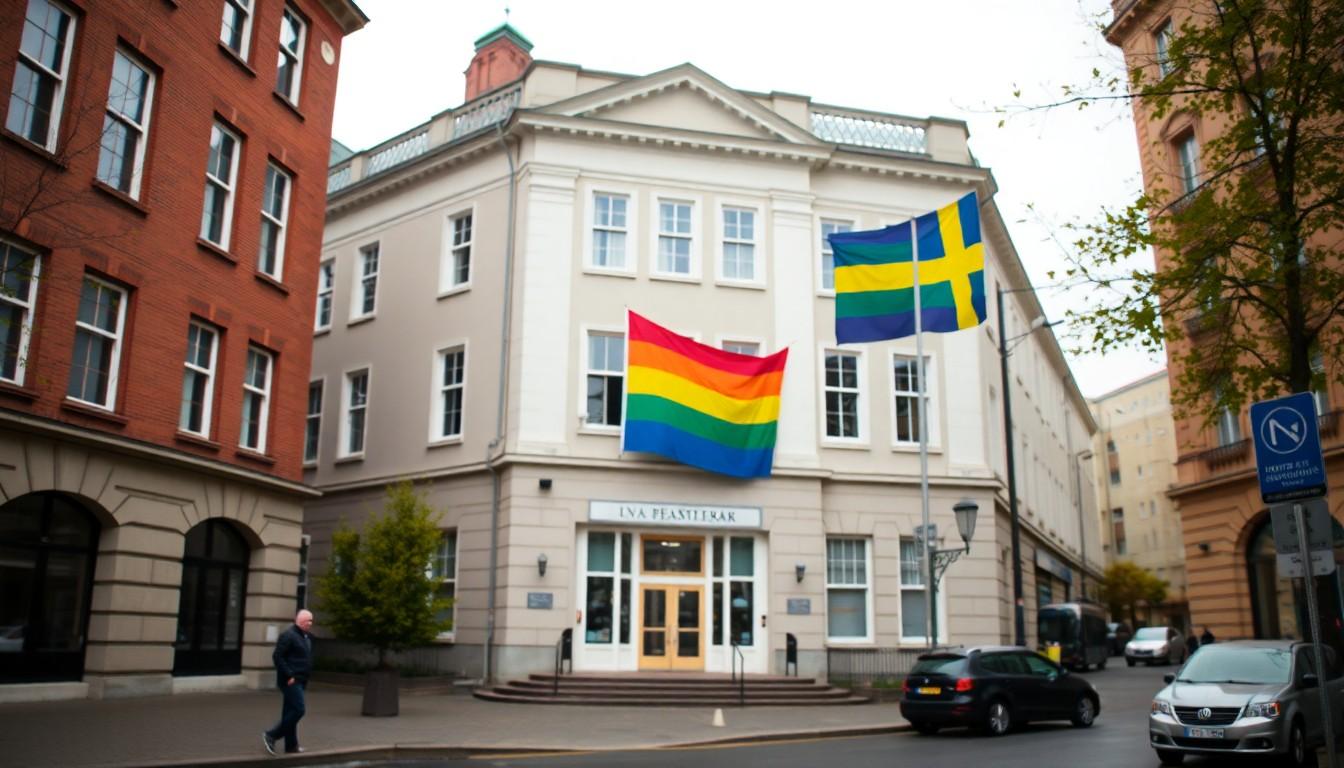
Notice how a new snapshot of LGBT+ lives reveals both resilience and worry , Swedish public-health data shows many LGBT+ people face discrimination and sexual violence in everyday life, making it a pressing issue for healthcare, services and communities.
Essential Takeaways
- High prevalence: Recent national survey data indicates a substantial share of LGBT+ respondents report having experienced sexual violence, in both digital and physical forms.
- Groups differently affected: Bisexual women, trans people and bisexual men reported particularly high rates, with examples ranging from unwanted touching to coerced acts.
- Everyday discrimination: Between 18 and 40 percent of LGBT+ respondents experienced discrimination or hurtful treatment in the prior three months, often in healthcare settings.
- Good health for many: Despite concerns, most respondents reported good general health and half said they were satisfied with their sex life.
- Public-health focus: Folkhälsomyndigheten’s SRHR survey provides a snapshot intended to guide policy, care and prevention work.
New data, sharp feelings: what the SRHR survey shows
The latest Sexual and Reproductive Health and Rights (SRHR) survey gathered responses from nearly 16,000 people, and just over 1,000 identified as lesbian, gay, bisexual or trans. The results caught attention because they combine an upbeat picture , many report good general health , with stark accounts of violence and poor treatment. According to Folkhälsomyndigheten, the numbers are worrying and useful as a moment-in-time look at how LGBT+ people experience healthcare, relationships and safety.
Who is most affected and what does “sexual violence” mean here?
The survey broke down experiences by group. For instance, around half of bisexual women, a third of trans people and roughly 20 percent of bisexual men said someone had done something sexual to them against their will. That covers a spectrum from unwanted kissing and touching to being forced into sexual contact. Folkhälsomyndigheten’s framing is broad on purpose, since non-consensual acts can happen in subtle or overt ways, including online.
Everyday discrimination , healthcare and beyond
A sizeable share of respondents reported discrimination or degrading treatment in the previous three months. That can look like repeated use of the wrong pronouns, assumptions that certain healthcare needs don’t apply to you, or omission of relevant questions in consultations. These are not abstract slights , they affect trust, willingness to seek care and the quality of support people receive. Public-health bodies say recognising these everyday harms is an essential step towards better services.
Why the findings matter for services and prevention
The report is meant to guide action: identifying groups at higher risk helps target prevention, improve training for healthcare staff, and tailor support services. Folkhälsomyndigheten’s work connects to earlier research showing elevated exposure to sexual violence among LGBT+ populations, and it feeds into practical changes such as better staff training on pronouns, routine questions about sexual health for all, and clearer routes to reporting and support.
Balancing the picture: resilience and relationships
It’s important not to flatten the story to only harm. Many LGBT+ respondents reported good general health, equal relationships and sexual satisfaction. That resilience matters: services and communities can build on existing strengths while addressing where things go wrong. As the public-health agency notes, this snapshot gives a direction for policymakers and care providers rather than a final verdict.
It's a small change in awareness that can lead to safer, fairer care and communities.
Source Reference Map
Story idea inspired by: [1]
Sources by paragraph: