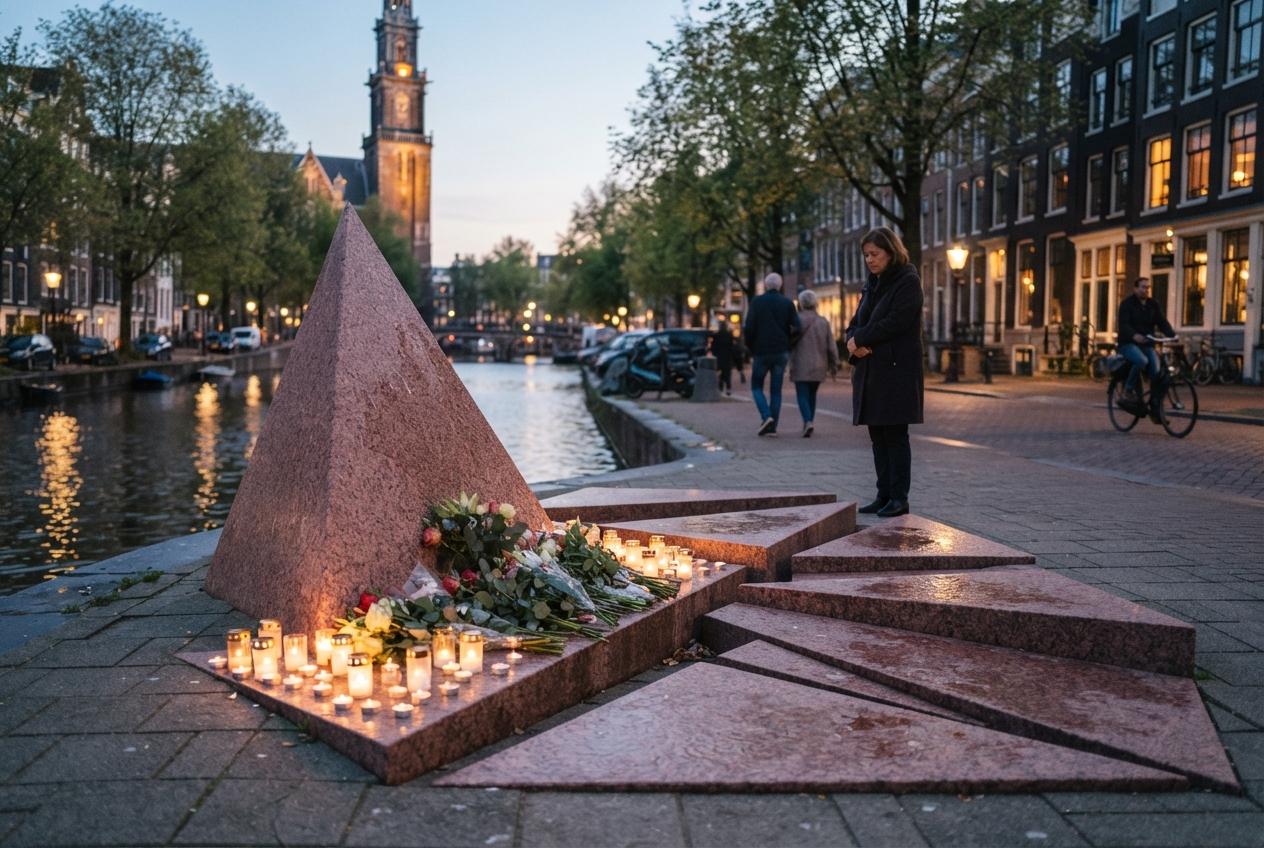
Shoppers of solidarity are gathering: Amsterdam communities and visitors are holding vigils and laying flowers at the Homomonument as WorldPride unfolds, paying tribute to the people killed and injured in the Berlin Pride attack and underlining why public mourning matters now.
Essential Takeaways
- When and where: A public commemoration will be held at the Homomonument on Tuesday at 20:00, open to everyone.
- Visual tribute: The Brandenburg Gate in Berlin was lit in rainbow colours as an immediate sign of solidarity and remembrance.
- Local gestures: Flowers and candles have already been placed at the Homomonument and a minute’s silence was held at Amsterdam’s Milkshake festival.
- Context and scale: The attack in Berlin involved a van hitting Pride participants near Potsdamer Platz, leaving one dead and 29 injured; the alleged attacker was killed by police after threatening officers.
- Why it matters: Public ceremonies during WorldPride underscore shared grief, resilience, and the ongoing fight for LGBTI+ safety and dignity.
A quiet square, loud solidarity: the Homomonument vigil
The strongest image is simple: people laying flowers and lighting candles on the low, triangular stones of the Homomonument, a place that already feels intimate and heavy with history. According to NOS, the vigil at Westermarkt is a direct response to the Berlin attack and aims to show support for victims and families.
The Homomonument is designed as a public memory of persecution and resilience, so it’s fitting as a focal point during WorldPride. City organisers and activists told local press they wanted a space that felt both accessible and respectful, which explains why the event is open to everyone at 20:00 on Tuesday. If you’re heading down, bring a candle and patience; these gatherings are calm but full of emotion.
From the Brandenburg Gate to Amsterdam: symbols that travel
When the Brandenburg Gate was bathed in rainbow light, it was a striking, visual gesture that carried weight across borders. News reports noted the projection was timed at sunset, turning a familiar skyline into an emblem of unity for the LGBTI+ community.
Symbols travel differently now, via social media, festival stages and public squares, so a lit monument or an image of a candlelit Homomonument can quickly become a shared moment. For many, these displays offer a way to respond when words feel inadequate. They’re also a reminder that grief and protest can coexist: mourning the victims while calling for safer public spaces.
How WorldPride has adapted: remembrance amid celebration
WorldPride draws hundreds of thousands of people to Amsterdam, and organisers have had to balance celebration with solemnity. Events like the Milkshake festival observed a minute’s silence, and the city’s programme included reflective moments alongside concerts and marches.
That mix matters. Celebrations affirm identity and joy, while memorials insist we don’t look away from violence. Organisers from Pride Amsterdam and municipal sources have been clear: WorldPride will continue, but with space carved out for remembrance and care. If you’re attending, expect both colourful parades and quieter, guided moments of reflection.
Practical tips if you plan to attend the vigil or WorldPride events
Arrive early to find space at the Homomonument and to avoid trampling tender floral tributes. Bring a small candle in a protective holder, and a face covering if you prefer quieter proximity. If you’re photographing the event, ask before taking pictures of people in private moments; many will appreciate the respect.
For those who want to do more than attend, consider donating to local support groups or volunteering with Pride organisers. Small acts, offering water, sharing information about support services, or simply listening, make memorials feel communal rather than performative.
What this moment could mean going forward
Public commemorations like this one act as both balm and mandate: they soothe immediate grief and remind authorities, festival organisers and citizens that safety must be central. The Berlin attack has sharpened conversations about security at large events and inclusion in emergency responses.
It’s a difficult balance. But as people gather at the Homomonument and as monuments glow in solidarity, there’s also a simple human truth on display, communities show up for one another. That presence matters, and it may shape how Pride marches and public celebrations are planned in the years ahead.
It’s a small change that can make every vigil and parade a bit safer and a lot more meaningful.
Source Reference Map
Story idea inspired by: [1]
Sources by paragraph: