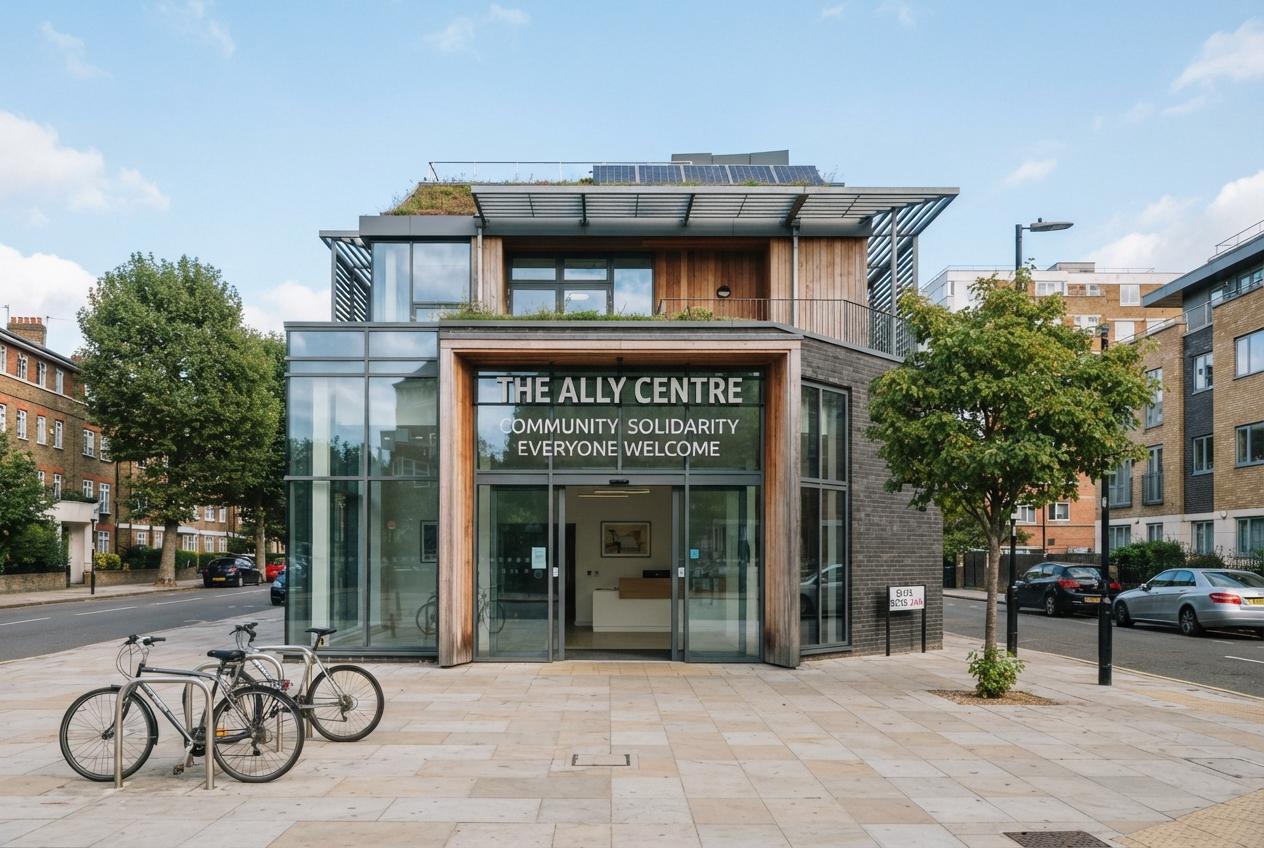
Shout it out: communities are fracturing around who counts as queer, and that matters for safety, solidarity and history , readers are turning to clarity on why the full LGBTQIA bloc matters, who’s pushing exclusion, and what allies can actually do to keep everyone included.
Essential Takeaways
- Solidarity matters: LGBTQIA grew from overlapping struggles; excluding TQIA splinters that historic coalition.
- Words have weight: Abbreviations like LGBT, LGBTQ, and LGBTQIA reflect evolving inclusion, not random letters.
- Exclusion harms: Targeting trans, queer, intersex or asexual people often precedes attacks on other groups.
- Practical allyship: Simple steps , listen to affected people, challenge erasure, support inclusive spaces , make a real difference.
Why some LGB people want to cut the letters , and why that’s risky
There’s a small but vocal movement pushing to remove trans, queer, intersex and asexual people from broader community labels, and it’s not happening in a vacuum. According to advocacy groups and inclusion guides, labels evolve as communities claim space, so dropping letters is a political choice, not just shorthand. The risk is obvious: once you start deciding who “counts,” you lose the mutual protection that comes from a larger coalition. If history teaches us anything, it’s that attacks have a pattern , exclusion today can become persecution tomorrow, and that’s why many campaigners push back hard.
What the extra letters actually mean for people’s lives
LGBTQIA isn’t alphabet soup; it’s shorthand for different experiences of attraction, identity and biology that often overlap. Style and inclusion guides from universities and professional bodies show how the acronym grew to reflect bisexual, transgender, queer, intersex and asexual people who face distinct legal, medical and social issues. For instance, intersex people often face unique medical decisions; trans people face legal recognition battles; asexual people can be erased in relationship and health conversations. Keeping the letters visible helps ensure services, rights and conversations include those needs.
From biphobia to transphobia: the slippery slope of exclusion
Biphobia has long existed inside queer spaces, and some bisexual people already report being told they’re “not queer enough.” That internal policing can be a warning sign. When some members of a community start excluding others, it normalises hostility and gives fuel to outside groups who want to pick the community apart. Allies and community organisers point out that unity has practical payoffs , pooled resources, shared advocacy and broader public sympathy , and that excluding anyone weakens resistance to external attacks.
How allies can act now , small steps that protect everyone
You don’t need an expert’s toolkit to be an effective ally, but you do need to be intentional. Start by using inclusive language and full acronyms where appropriate, and be willing to listen when trans, queer, intersex and asexual people raise concerns. Support organisations that explicitly include all letters in their services, and push for policies that name groups rather than rely on vague terms. If you run an event, create clear access and safety measures so everyone can participate. It’s simple but important: visibility matters for safety and for access to healthcare, legal aid and community spaces.
Thinking longer term: why inclusion is better politics and better practice
Historically, movements that stayed broad tended to win more protections because they could form wider alliances and respond to multiple harms at once. Exclusion can win short-term comfort for some, but it narrows the movement’s moral and political reach. Looking ahead, commenters and community leaders argue that the best route is solidarity that recognises differences without erasing them. That means investment in education, public messaging that centres shared values, and building institutions that survive debates over which letters to include.
It's a small change that can make community stronger and safer for everyone.
Source Reference Map
Story idea inspired by: [1]
Sources by paragraph: