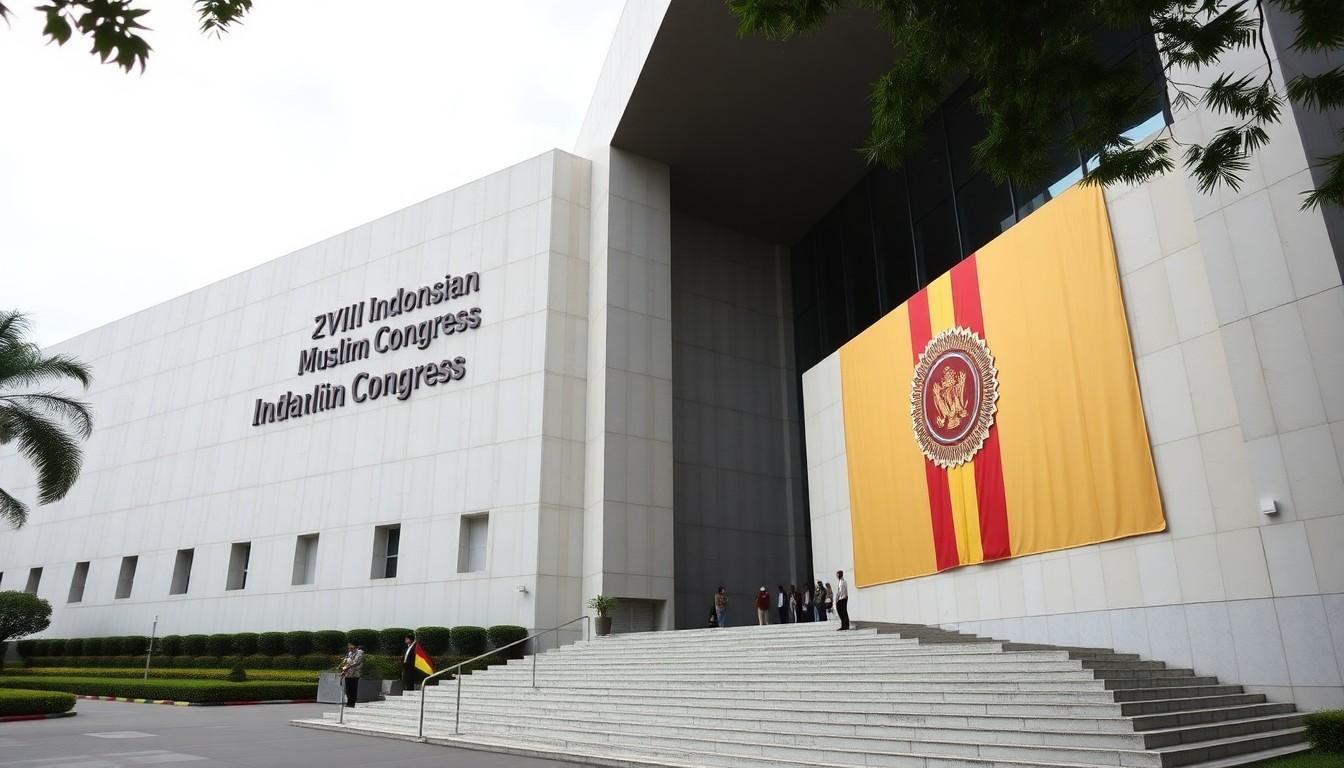
Watchers of Indonesian public life are buzzing after Jusuf Kalla, former vice‑president, told reporters at the Kongres Umat Islam Indonesia that LGBT is “haram” and that any legal response should be handled by ulama and legal experts , a stance that matters because it mixes religion, law and social policy in a charged debate.
Essential Takeaways
- Clear stance: Jusuf Kalla described LGBT behaviour as haram under Islamic teaching and framed that as the core message.
- Law is complex: He said criminalising such behaviour faces practical proof problems and needs detailed legal study.
- Experts needed: Kalla urged that any drafting of regulation involve both ulama and legal scholars to balance religious and legal perspectives.
- Public debate: His comments echo earlier government and public statements resisting legal recognition of LGBT rights, keeping the issue high on the national agenda.
A sharp, religious first line , why the comment landed
Kalla’s plain language , calling LGBT haram , is the headline grabber, and that’s intentional; religious framing drives much public opinion in Indonesia. According to reporting from Republika, he made the remarks after speaking at the Kongres Umat Islam Indonesia, where delegates had raised the idea of a tailored regulation. That sort of direct moral language carries a particular weight coming from a two‑time vice‑president, so it quickly fuels reactions across social and political circles.
He didn’t close the door on law , he pointed to practical hurdles
Even as Kalla insisted on the religious ruling, he cautioned that turning belief into criminal law isn’t straightforward. He noted difficulties around proof and implementation , problems other commentators and legal analysts have flagged too. That’s an important distinction: belief and social norms can be asserted easily, but converting them into enforceable statutes raises evidentiary and human‑rights issues that lawmakers and jurists must wrestle with.
“Bring in ulama and legal minds” , a call for a hybrid approach
Kalla said any legislative approach should be worked out by people with the right competence , ulama who understand religious obligations and legal experts who grasp criminal law. Local reporting shows this mirrors a broader insistence from some quarters that lawmaking on moral issues needs both theological legitimacy and juridical rigour. Practically, that means drafts could seek to align religious teachings with constitutional limits and international obligations, though achieving consensus will be tricky.
What this means for public debate and policy
The former vice‑president’s remarks reinforce an ongoing national conversation: whether and how the state should regulate sexual orientation and gender identity. Government statements and prior reporting suggest there’s strong resistance to legal recognition of LGBT rights, and Kalla’s voice amplifies that resistance in moral terms. For citizens and advocates, it signals that any push for change will need to address both religious sensibilities and the legal technicalities Kalla highlighted.
How to think about the next steps , practical perspective
If policymakers take Kalla’s suggestion seriously, expect working groups, consultations with religious councils and legal review committees. Observers should watch for how proposals tackle proof, privacy, and freedom of expression , the technical questions Kalla mentioned. For anyone following the topic, that means tracking draft language and the composition of advisory panels: who’s included will shape outcomes.
It's a small but telling moment in a larger debate about faith, law and personal freedom in Indonesia.
Source Reference Map
Story idea inspired by: [1]
Sources by paragraph: