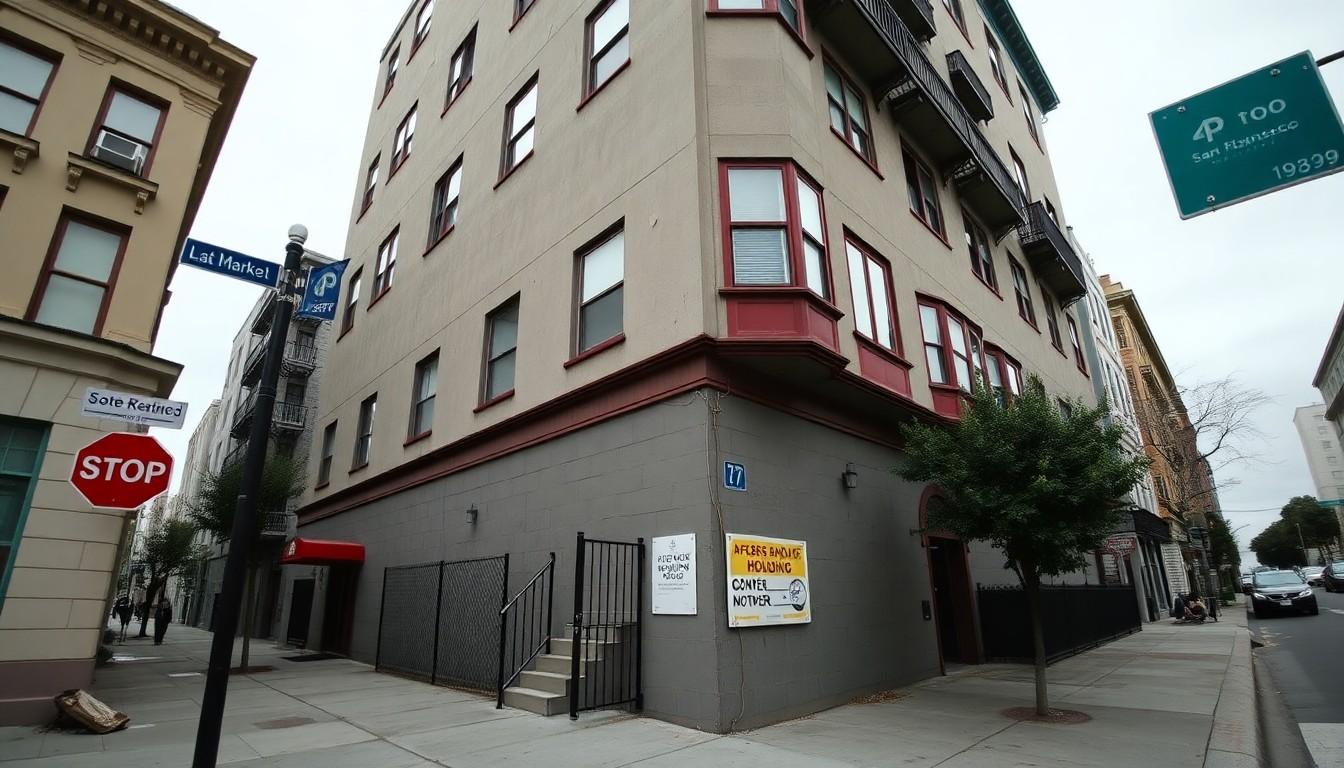
Shoppers of policy and neighbours alike are watching a new affordable-housing plan in San Francisco , a 15‑storey development pitched for low-income LGBTQ seniors that developers and politicians praise, while a resident has filed a discrimination complaint arguing the project unlawfully preferences sexual orientation.
Essential Takeaways
- Project basics: A 15‑storey, 187‑unit building at 1939 Market Street is proposed for low‑income seniors, with studios and one‑bedrooms, climate‑minded design and strong transit links.
- Funding and ownership: The site has at least $47m in state funding; the city owns the land and leases it long‑term to Mercy Housing.
- Complaint filed: A resident has lodged a complaint with San Francisco’s Human Rights Commission claiming promotional language signals an illegal preference for LGBTQ applicants.
- Officials’ stance: The Mayor’s Office of Housing and Community Development says sexual orientation can’t be a leasing criterion but that targeted outreach to queer elders is allowed.
- Practical note: Developers say leasing will follow fair‑housing lotteries; outreach and specialised services nearby aim to serve a demographic with documented need.
What’s on the table at 1939 Market Street , and why it looks different
The proposal is visually striking, a tall, modern block promising compact, affordable homes for older residents who'd typically struggle in San Francisco's market, and renderings even show a rainbow motif. Advocates say the design feels warm and targeted; critics say targeted can tip into exclusion. According to local coverage, the site would offer 187 studios and one‑bedrooms, with construction expected to begin later this year or in early 2027. The key tension is between creating safe, affirming spaces and obeying non‑discrimination rules.
Why some officials and nonprofits pushed the LGBTQ framing
Supporters frame the project as filling a clear need: LGBTQ elders face higher rates of housing insecurity, social isolation and medical marginalisation. Organisations like Openhouse are lined up to provide nearby services, and elected officials publicly celebrated the plan as one that will "serve" queer seniors. Industry pieces and advocacy reporting have chronicled this trend , San Francisco has been a leader in integrating LGBT senior services for years , and backers argue focused outreach helps an underserved group access scarce homes.
The complaint , what it claims and the legal question
A resident, alarmed at public statements by politicians and developers, filed a complaint with the city's Human Rights Commission, arguing that promotional language indicates a preference based on sexual orientation and therefore could violate fair‑housing law. He points to press releases and social posts that explicitly name LGBTQ seniors as the focus. City rules and state and federal fair‑housing laws generally prohibit leasing that discriminates by sexual orientation, so the claim centres on whether promotion equals preference when the actual leasing process follows open eligibility.
Officials’ reply: outreach allowed, selection must remain neutral
City spokespeople and the developer have pushed back politely but firmly: the building is open to all age‑ and income‑eligible applicants, and leasing will follow standard fair‑housing and lottery requirements. The Mayor’s Office has said it cannot reserve units by sexuality, but it also notes "targeted outreach" is permissible , that can mean community advertising, partnerships with LGBT organisations, or programming that makes the building welcoming. That carve‑out is crucial: outreach aims to help underserved groups apply, not to bar others.
What this means for older LGBTQ people , and for neighbours worried about fairness
Practical reality matters: many queer elders would welcome a building with culturally competent services nearby, a calm atmosphere and staff attuned to their needs. At the same time, neighbours who pay taxes rightly expect public funds to be distributed fairly. The likely outcome is a careful balancing act: continued targeted outreach, transparent lottery and eligibility rules, and clear messaging that the building is nondiscriminatory in admissions. If you’re applying for similar housing, check eligibility, ask about outreach practices, and keep records of advertising or priority claims.
Looking ahead: policy, precedent and simple advice
This dispute could set a tone for how cities design culturally focused affordable housing without crossing legal lines. According to reporting, the city has funded the project with substantial state dollars and a long lease to Mercy Housing , so public scrutiny will stay high. For advocates and applicants, insist on clarity: ask providers how they define outreach, who runs lotteries, and what recourse exists if you feel excluded. For policymakers, the lesson is to craft precise language that affirms a community without implying exclusivity.
It's a local fight with national resonance , and a reminder that good intentions need clear rules to be fair.
Source Reference Map
Story idea inspired by: [1]
Sources by paragraph: