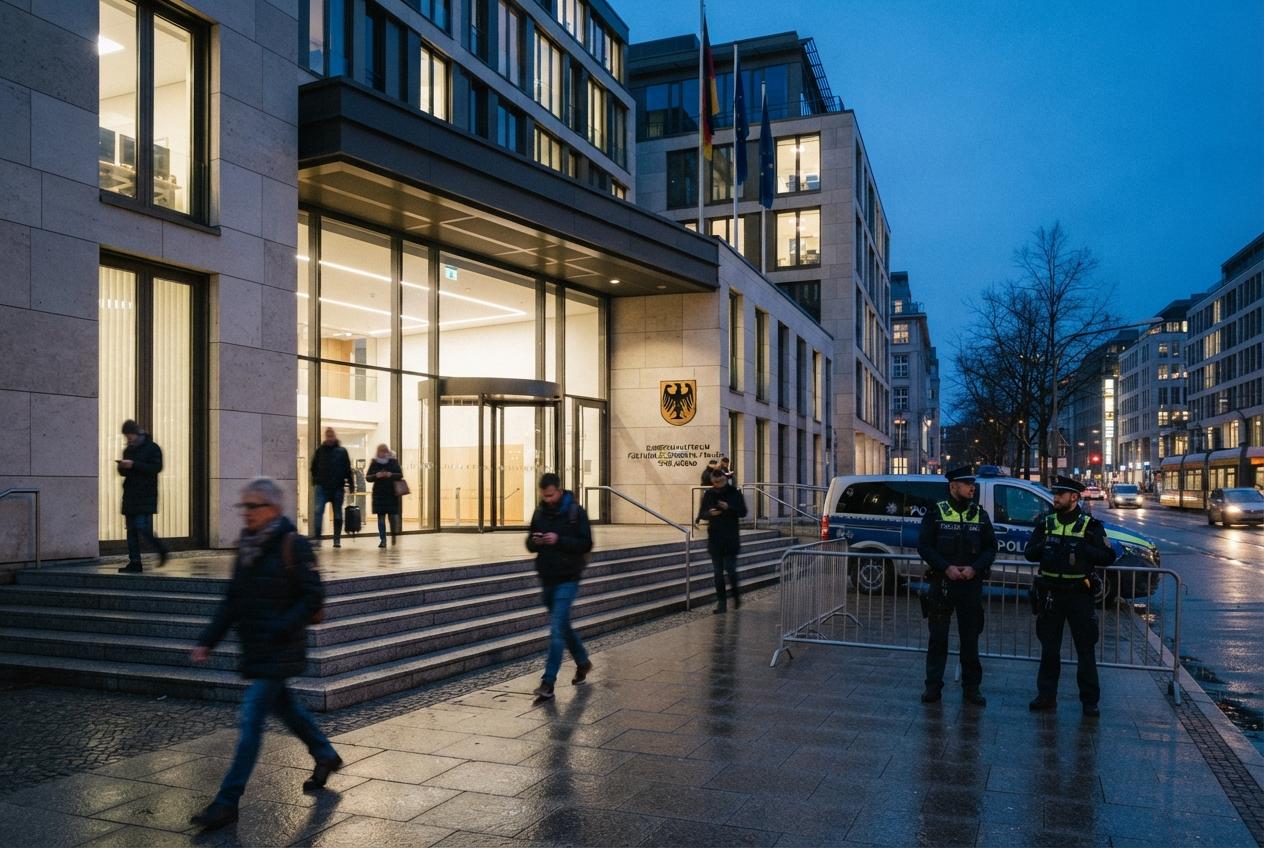
Shocked viewers and communities are mourning after the Berlin Pride attack, and politicians and activists say this is a stark reminder why Pride marches remain necessary , a mix of celebration, protest and protection that matters for safety, visibility and solidarity.
Essential Takeaways
- Immediate reaction: Senior figures including the UK’s defence secretary have said the Berlin attack underlines why Pride events persist as both celebration and protest.
- Rising threats: Reports and commentators note an uptick in hate crimes and politically motivated violence targeting LGBTQ+ people across Europe.
- Community response: Solidarity events, vigils and tighter security plans followed the incident, creating a somber, determined atmosphere.
- Practical concern: Organisers and authorities are reassessing policing and safety measures for upcoming events, balancing visibility with protection.
- Emotional reality: For many, Pride now carries grief alongside joy , a reminder that visibility can invite both support and hostility.
A brutal wake-up call: why the Berlin attack hit home
The scenes from Berlin felt raw and close, the kind of moment that makes you stop swiping and listen. Witnesses and leaders reacted with grief and anger, and politicians argued the violence was a blunt reminder that prejudice still turns dangerous. According to several outlets, the attack prompted vigils and public displays of solidarity across the city, showing how quickly celebration can become a moment of collective mourning. For communities used to Pride as an annual release, this was a bruise that won’t disappear overnight.
Pride as protest, not just a party
It can be easy to assume Pride is only about glitter and music, but senior politicians have been explicit: it’s a protest against those who reject diversity. Commentators have pointed out that while legal and social acceptance has improved in many places, that progress hasn’t erased hostility. Pride parades thus serve a double purpose , to celebrate identity and to assert rights in public space. That dual function is why many campaigners say stopping marches in the name of safety would hand victory to the very forces that threaten inclusion.
The security dilemma: policing visibility without diluting spirit
After the attack, organisers and authorities faced a tricky balancing act , increasing security while keeping Pride open and welcoming. Officials stressed events would be “well policed” and that home and local authorities would decide the right level of protection. Practical measures trending now include bag checks, controlled perimeters, plain-clothes protection, and clear emergency plans. The trade-off is obvious: more barriers can feel less celebratory, but many prefer a slightly restrained atmosphere to the alternative of vulnerability.
How communities respond: solidarity, resilience and rituals
Grief and defiance often arrive together. Reports described vigils, moments of silence and spontaneous gatherings as people sought to comfort each other and to reclaim public space. Solidarity gestures , flags, poems, social posts, and cross-community turnout , help channel shock into support. For activists and ordinary marchers alike, these rituals reinforce that Pride is not just an annual event but an ongoing network of mutual aid and visibility that matters when the worst happens.
What to consider if you’re attending Pride this year
If you’re planning to go to a parade, a few sensible steps make sense: check the organiser’s safety guidance beforehand, arrive in a group, note meeting points, and respect stewarding and security lines. Keep phones charged, share your plans with friends, and trust stewards if they advise rerouting or shelter. Remember, being visible is powerful, but taking small precautions helps keep the focus on celebration and solidarity rather than on what might have been.
It's a small change in approach that can keep Pride vibrant and safer for everyone.
Source Reference Map
Story idea inspired by: [1]
Sources by paragraph: