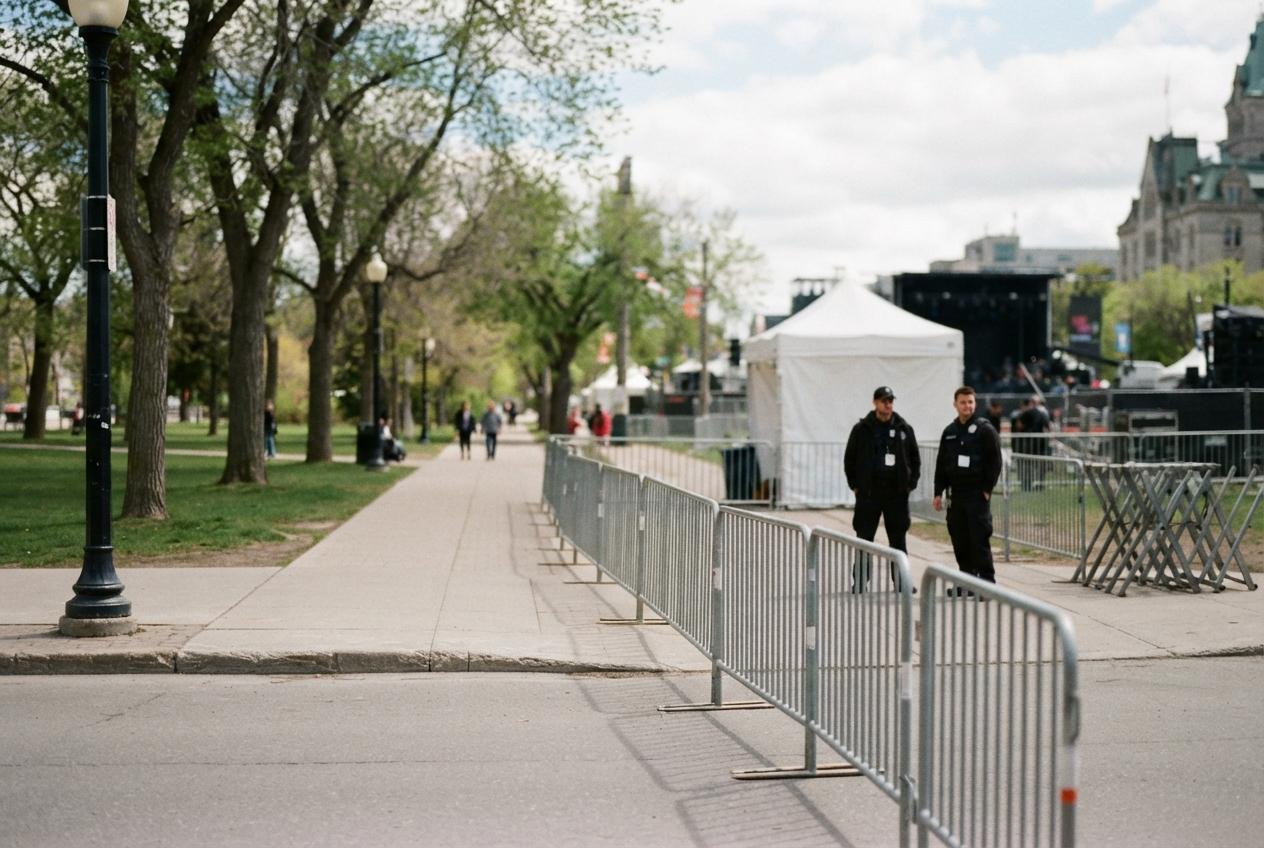
Shaken organisers are reviewing security plans as Pride season continues; Capital Pride in Ottawa says it will reassess measures after a deadly vehicle-and-machete attack in Berlin, because safety matters when people want to be visible and free.
Essential Takeaways
- Immediate response: Capital Pride’s leadership said it will review security arrangements and hold more meetings in the coming weeks.
- Reason for caution: Organisers already ramped up protections in recent years as anti-2SLGBTQ+ sentiment has grown.
- Community focus: New grassroots events like Ottawa’s Chez Nous centre racialised and newcomer experiences while still worrying about safety.
- Practical need: Reviews typically consider crowd control, vehicle barriers, policing partnerships and emergency communications.
- Emotional reality: Attendees and organisers describe a mix of grief, resolve and determination to keep celebrating openly.
Why one horrific night in Berlin forced a rethink , and why that matters here
A vehicle rammed into a Pride crowd in Berlin, and a man then allegedly used a machete, leaving one person dead and many injured, according to multiple reports. The scale and brutality of the attack has sent shockwaves through Pride communities worldwide, and organisers in Ottawa say they’re taking notice. Capital Pride’s chair described the incident as heartbreaking and said the organisation will meet in the coming weeks to decide if security needs strengthening. For anyone who’s been to a festival, the tension is tangible , you want music and colour, but you also want to know people will get home safely.
How Ottawa’s Pride has already changed , and what extra measures look like
Capital Pride officials pointed out they’ve been gradually beefing up security over the years, partly because the event has grown and partly because anti-2SLGBTQ+ rhetoric is louder. That’s mirrored in cities across North America and Europe. Practical upgrades usually mean vehicle barriers at key access points, clearer emergency routes, more on-site medical presence, and better-trained stewarding teams. If you’re an attendee, look out for clear signage, volunteer vests and visible first-aid posts , those small details make a big psychological difference.
Chez Nous: a different kind of Pride that still feels the threat
Ottawa’s Chez Nous festival, organised for and by 2SLGBTQ+ Africans and newcomers, illustrates how Pride spaces are diversifying. Organisers said the event centres Africanness and leadership from people who don’t always see themselves in mainstream Pride structures. Yet the Berlin attack resonated there too; community members are reflecting on what true safety means when families, elders and children turn up. For smaller, community-led events this often translates into discreet but deliberate security plans that respect cultural needs while keeping people protected.
What organisers usually consider when they review security
When a festival reassesses safety, decisions aren’t made on a whim. Organisers may consult police, emergency services, private security experts and community groups. They’ll weigh physical protections like bollards and fencing against softer measures such as increased stewards, clearer communication channels, and rehearsal of evacuation plans. Funding and the feel of the event matter too: too many concrete barriers can change the atmosphere, so planners try to balance openness with protection. If you’re an event volunteer, ask organisers about your role in a safety plan and how to report concerns quickly.
The mood on the ground: grief, solidarity and resolve
People who attended Chez Nous and other Pride activities expressed sorrow for Berlin and a renewed sense that Pride still matters. Organisers and attendees said progress has been made, but that progress isn’t guaranteed , laws and social attitudes in some countries have even hardened recently. That reality sharpens why local Pride events must be thoughtful about both celebration and security. Expect more conversations, more community consultation, and, for some, a quieter vigilance as festivals move forward.
It’s a small change in planning that can make every parade and park event safer and more welcoming.
Source Reference Map
Story idea inspired by: [1]
Sources by paragraph: