Shoppers and festival-goers are watching closely after the Berlin Pride attack; organisers, politicians and queer communities across Europe are rethinking safety while insisting Pride must go on. This piece looks at who’s affected, why the threat feels different now, and practical ways events can stay open, welcoming and safer.
Essential Takeaways
- Immediate impact: A van attack at Berlin Pride left people dead and injured, and the suspected attacker was killed in a police operation; organisers face hard choices about safety and openness.
- Broader anxiety: Similar past attacks in Oslo and Orlando mean many in Europe’s LGBTQ+ community feel vulnerable and watchful.
- Political angle: German and international leaders framed the incident as an assault on liberal society and flagged Islamist links in this case.
- Event logistics: Practical measures , from revised entry points to visible support services , can protect attendees without turning Pride into a fortress.
- Community response: Solidarity, mental‑health resources and measured public messaging help survivors and reassure wider LGBTQ+ networks.
What happened and why it matters now
The morning after the attack, officials confirmed a suspected Islamist connection and said the suspect died during a police operation. Reuters and The Guardian reported the basic facts, and responses poured in from politicians across Europe who called the attack an assault on open, liberal society. The obvious sting is not just the immediate loss; it’s the chilling effect on public gatherings that celebrate identity. For many, the event triggers a sense of deja vu , memories of Orlando or other attacks that targeted queer meeting places.
How Pride organisers are rethinking safety without losing spirit
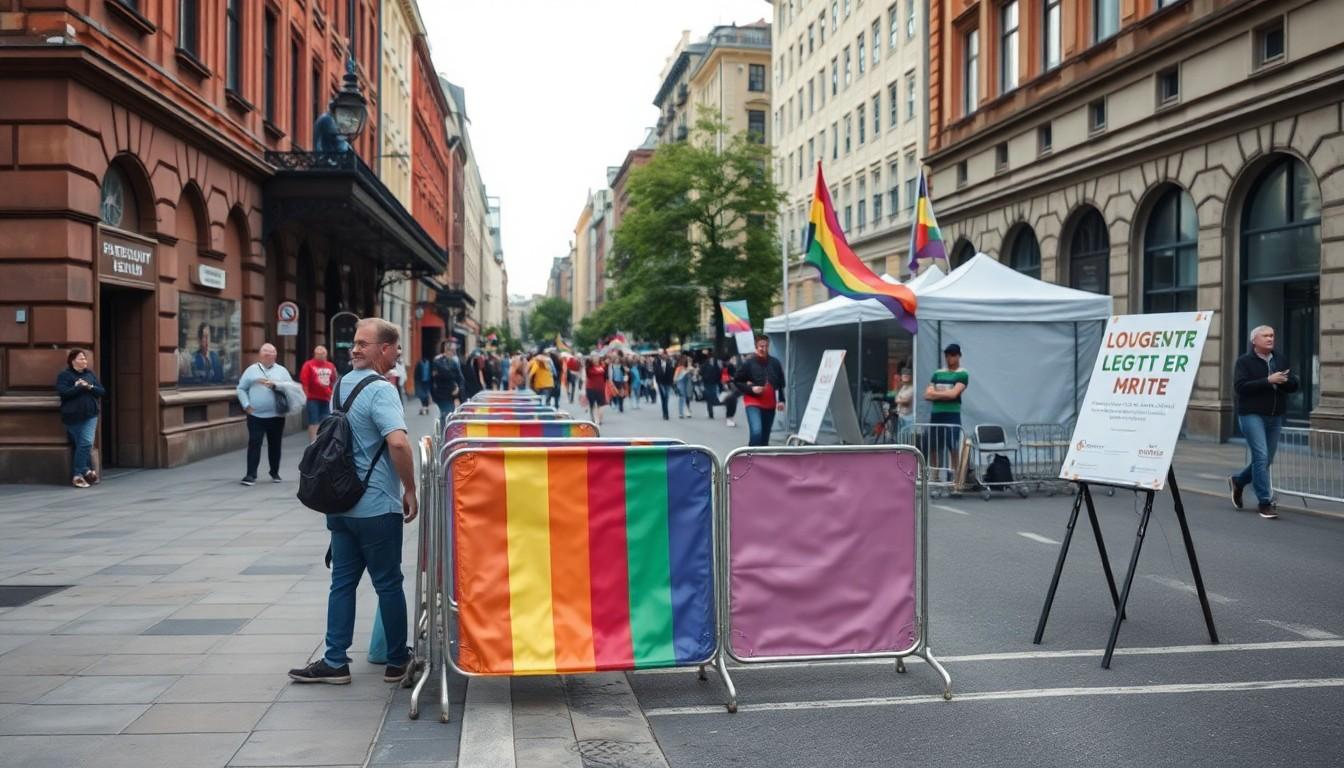
Organisers are walking a tightrope: they need to make events safer while keeping them welcoming. European outlets covering the aftermath note planners are reassessing entry controls, medical cover and evacuation routes. Practical steps include staggered parade starts, clearer signage to emergency exits, and discreetly trained stewards who can spot and de‑escalate trouble. The key is proportionate measures that reduce risk but avoid turning a festival into a militarised zone.
The political and cultural fallout: why leaders are talking about ideology
Germany’s leaders and other European politicians quickly framed the attack as a threat to the values Pride represents. Coverage from Euronews and The Washington Post highlights how the incident has been presented as ideologically driven, prompting debates about how to balance civil liberties with tougher prevention. That discussion matters because it shapes public sentiment and policy , from policing at events to rhetoric about communities that might be linked to the attacker’s motives.
Lessons from past attacks: what Orlando and Oslo taught organisers
We don’t need to guess how communities will react; the Pulse nightclub massacre and other incidents offer reminders. Longform reporting and survivor accounts emphasise the lingering trauma, the importance of memorialisation, and the role of visible, ongoing support for survivors. From a practical standpoint, past tragedies teach organisers to plan for both immediate medical needs and long-term counselling resources, and to coordinate with local authorities before the festival season begins.
Practical tips for attendees and hosts ahead of Pride
If you’re going to Pride this season, think ahead: check transport options, arrange meetup points with friends, and note official information channels for the event. For hosts, set clear protocols for lost persons, have more medical stations and ensure staff have simple, rehearsed drills for active‑threat scenarios. Communication matters , calm, clear messaging from organisers helps prevent panic and supports those who feel anxious about attending.
Solidarity and visibility remain the point
Despite fear and grief, community leaders are urging people not to cancel visibility efforts. As Stockholm Pride organisers reminded audiences, the festival exists to counter forces that try to silence queer voices. Showing up safely, supporting survivors, and keeping conversations about rights and protections alive is exactly the response that affirms Pride’s purpose.
It's a small change that can make every Pride safer and more resilient.
Source Reference Map
Story idea inspired by: [1]
Sources by paragraph: