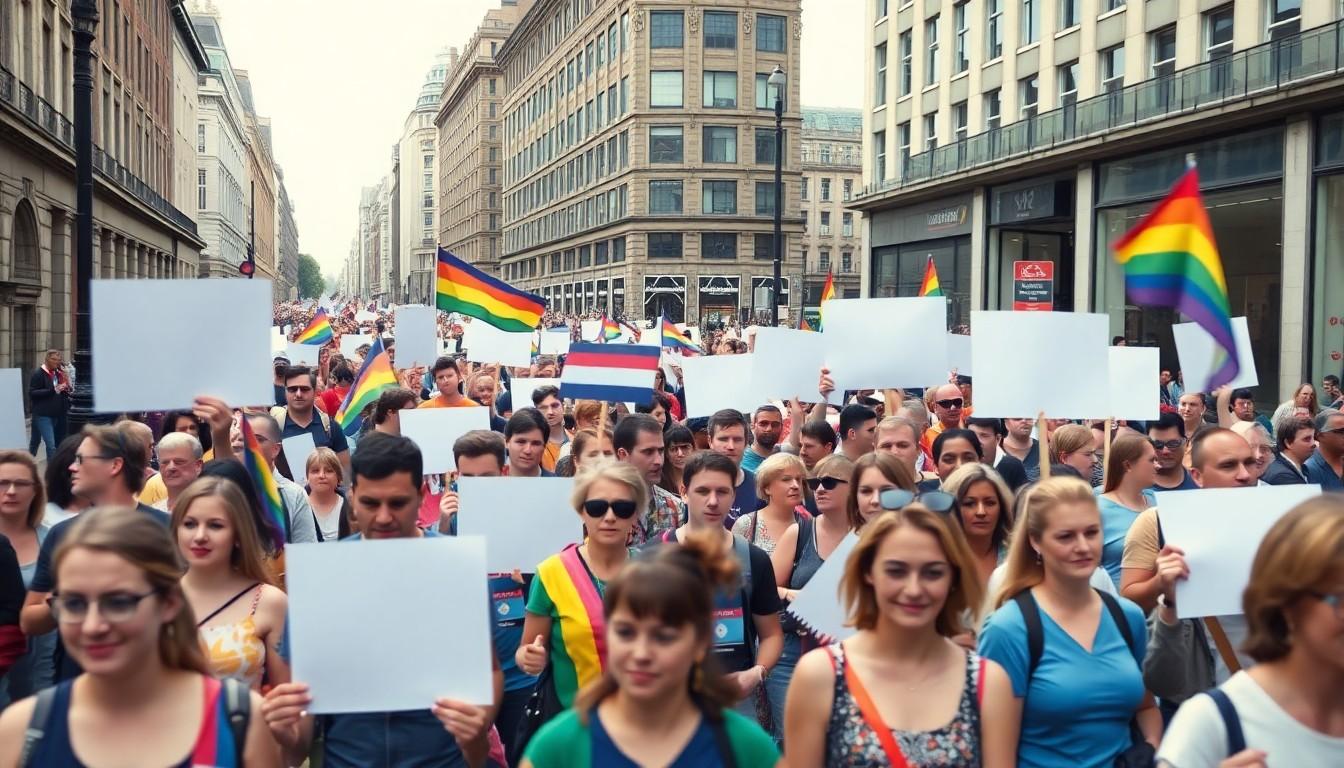
Shouting, singing and sweating in the heat, an estimated 150,000 people marched through central London in what organisers are calling the world's largest Trans Pride, protesting new guidance on single-sex spaces and urging political leaders to act. The Trafalgar Square finish made a vivid statement about visibility and urgency.
Essential Takeaways
- Huge turnout: Organisers estimated about 150,000 people took part, filling central London and spilling into Trafalgar Square.
- Anger over guidance: Demonstrators voiced frustration with new Equality and Human Rights Commission (EHRC) advice on single-sex spaces and related government guidance.
- Personal stories: Speakers repeatedly stressed that delayed gender-affirming care has real-life consequences, with moving tributes and calls for policy change.
- Political appeal: Marchers pressed Andy Burnham and national politicians to reject what they see as anti-trans measures and to prioritise compassionate, evidence-led care.
- Joy amid protest: Despite anger, the atmosphere mixed defiance with celebration, loud slogans, colourful placards and visible community solidarity.
A march that filled Trafalgar Square , and made a point
They flooded the streets, and by the time the rally reached Trafalgar Square the steps and fountain walls were full , a bright, noisy crowd that made a simple point: trans people are visible and they will be heard. Photos and on-the-ground accounts show placards from playful to pained, and a very human soundtrack of chants, speeches and applause. According to Gaydio and London reporting, organisers claim this was the biggest Trans Pride yet, and finishing in such an iconic civic space felt deliberately political.
What protesters are angry about , EHRC guidance and education rules
At the heart of the march was fury at recent guidance affecting single-sex services, issued after a Supreme Court interpretation of the Equality Act. Marchers and speakers argued these changes risk excluding trans people from essential services and legitimising hostile policies. Families affected by long waits for gender-affirming care used the platform to lay bare the stakes, saying this isn’t abstract law but medicine and safety for young people. The message to politicians was direct: guidance that sidelines trans identity has real human cost.
Personal stories drove the day , grief, warnings and demands
Speeches included heartbreaking testimony from bereaved family members who say delays in care contributed to tragedy, alongside activists demanding action now. That emotional element was a throughline , it turned policy debate into a public plea. Organisers and speakers framed gender-affirming care as life-saving, urging local and national leaders to listen to evidence and lived experience rather than headlines. The effect was both sobering and galvanising: a community insisting it deserves better.
Politics in the crowd , appeals to Andy Burnham and national leaders
Speakers singled out Andy Burnham and the national government, asking for leadership that protects trans people and rejects what marchers call “anti-trans policies.” Commentators at the rally pointed out that local leaders can set tones nationally, and that political courage matters when media narratives are hostile. Organisers and some MPs were explicit: compassion is a political choice, and ignoring the march risks alienating voters who back equality and safety for trans people.
Celebration and strategy , not just protest, but movement-building
Despite the anger and grief, the event had a celebratory current , colourful outfits, art installations and chants about joy and resilience. That mix matters: protests keep issues visible, and turning visibility into policy change takes planning. Activists used the platform to set out practical asks, encourage civic pressure and name concrete policy reversals they want to see. For anyone watching, the clear takeaway was that this movement is both emotional and organised.
It's a vivid moment in a long conversation about rights, safety and who gets to belong in public spaces , and for many people who marched, it's only the beginning.
Source Reference Map
Story idea inspired by: [1]
Sources by paragraph: