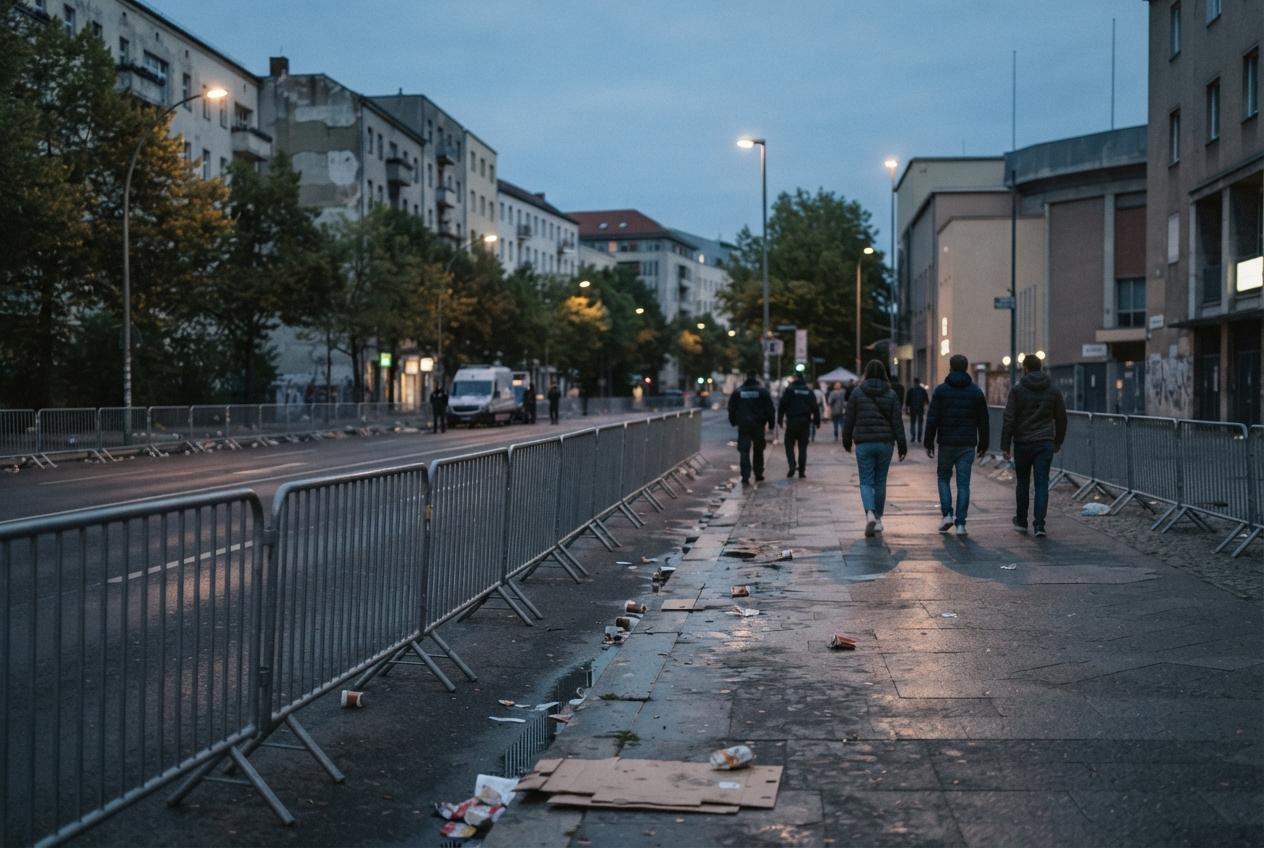
Notice how comment sections can tell you as much about a country as its laws; after the Berlin Pride attack, readers across Europe saw cheers for violence, xenophobia and organised hate spilling into trusted media spaces , and that matters because it helps explain how online abuse can become real-world harm.
Essential Takeaways
- Attack context: The Berlin Pride incident was a vehicle attack targeting LGBTI+ marchers, leaving people dead and injured, and authorities are treating it as a terror-motivated assault.
- Mixed reactions: News coverage and social feeds showed a wave of celebratory comments from some users, mixing anti-LGBTQ sentiment with racist and xenophobic language.
- Radicalisation risk: Experts and reporting highlight how online praise for violence can normalise aggression and encourage copycat or organised attacks.
- Editorial responsibility: Comment moderation, clearer platform rules and legal measures are being debated as ways to curb the spread of hate speech.
- Practical tip: When following traumatic news, use trusted outlets, mute toxic threads, and look for verified updates from emergency services or major press organisations.
A stark reminder that law alone doesn't fix hate
The attack in Berlin has left communities grieving and a wider public unsettled by how quickly online spaces filled with elation at others' deaths. According to major international outlets, authorities treated the incident as a terrorist-motivated attack, and reporting captured both the human cost and the divisive commentary that followed. The visceral tone in some comment threads , gloating, racist, and delegitimising , shows that legal protections for minority groups don't automatically translate into social acceptance. For readers, that means recognising the difference between having rights on paper and feeling safe in daily life.
How comment sections became a barometer of social sentiment
Comment threads under reputable news sites often act like unfiltered public squares, and in the aftermath of the Berlin attack they highlighted a worrying mix of homophobia and xenophobia. Coverage noted thousands of hostile messages praising the attacker or minimising the victims. This matters because, as journalists and social researchers have pointed out, the tone of public conversation shapes norms. Media editors now have to ask whether leaving such comments visible does more harm than good, and whether moderation policies are fit for purpose in crises like this.
From keyboard to street: the risk of escalation
Reports from multiple outlets warn that applause for violence online can be a precursor to physical attacks. The trajectory is obvious: dehumanising rhetoric lowers the social cost of harm and emboldens individuals or groups to act. Observers have noted how extremist ideologies of different stripes feed into one another, and how perpetrators sometimes draw inspiration from online echo chambers. For anyone trying to make sense of it, the takeaway is simple , unchecked hostility on social platforms is not merely offensive, it's potentially dangerous.
What media outlets and platforms could do now
There's growing pressure for newsrooms and social platforms to be more proactive: clearer comment moderation, stricter identity verification for repeat offenders, and faster removal of content that praises violence. Editors have to balance free expression with public safety, and several commentators argue that allowing celebratory remarks about murder under the guise of "debate" is indefensible. Practically, outlets can experiment with closed comment systems, verified commenter badges, and curated expert threads to keep the focus on facts and humane discussion.
How readers can protect themselves and their communities
If you're following this story, look for verified updates from major news organisations and official channels, and avoid getting dragged into toxic comment storms. Use mute and block functions, report content that praises violence, and amplify survivor-centred coverage. Community groups and allies can also insist that elected officials and parliamentarians treat hate speech and targeted violence with the urgency they deserve. It's a small set of actions, but together they make online spaces less hospitable to hate.
It's a small change that can make every public conversation safer.
Source Reference Map
Story idea inspired by: [1]
Sources by paragraph: