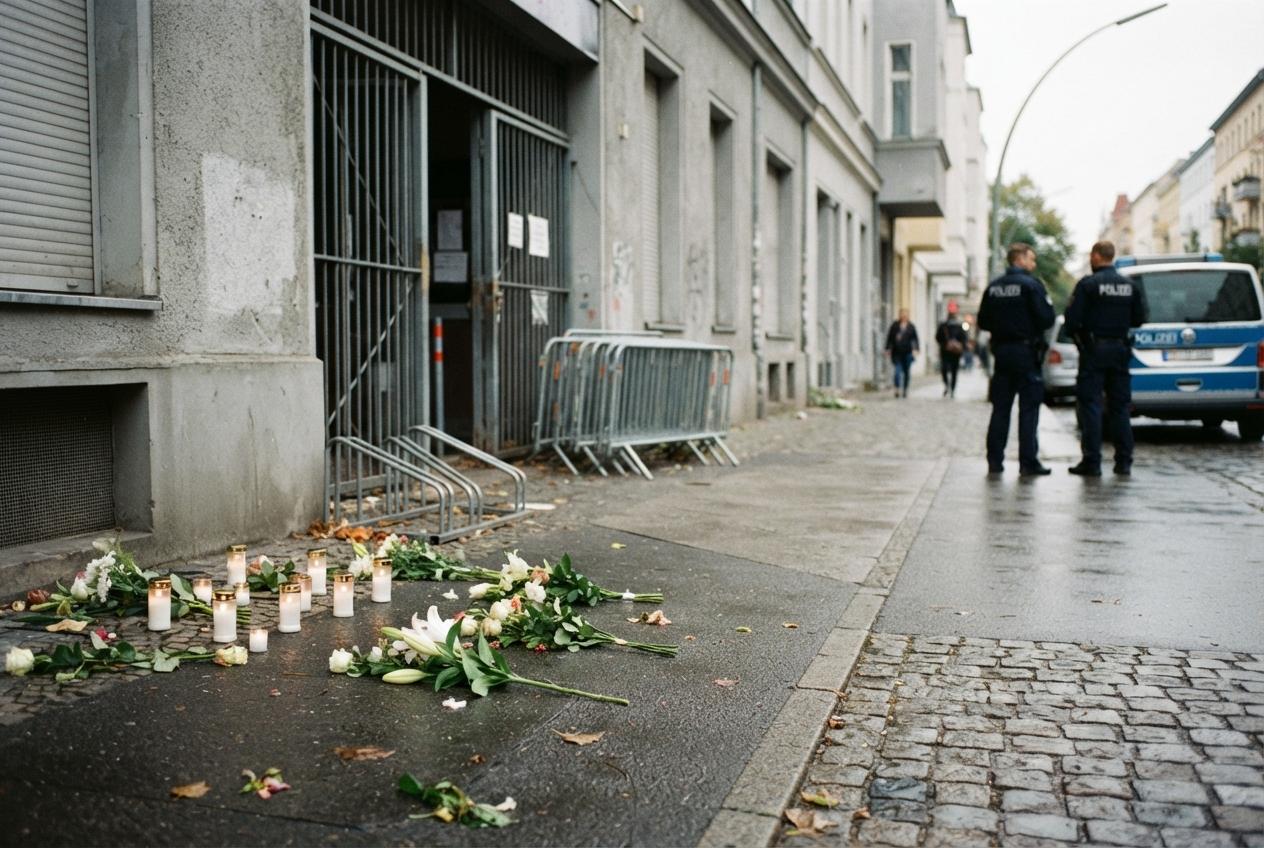
Shoppers and onlookers are waking to grim news after a car ploughed into a crowd at a Berlin Pride event; one person died and dozens were hurt, and the story matters because it highlights rising threats to queer communities, the way online hate amplifies violence, and how governments and voters may respond.
Essential Takeaways
- Casualty count: One person was killed and multiple people were injured when a vehicle drove into a Pride crowd in Berlin, leaving scenes of shock and chaos.
- Authorities searching: German police launched an urgent search for a suspect and treated the incident as a serious attack, with initial reports pointing to extremist motives.
- Community impact: The event has reignited debate about safety at public LGBTQ+ gatherings, and stirred fresh waves of online hatred and division.
- Political ripple effects: Analysts warn the attack could sharpen immigration and security debates in domestic politics, while overshadowing the core issue of increasing hostility toward queer people.
- Practical caution: For anyone attending public events, stay aware of exits, report suspicious behaviour, and follow local police guidance.
What we know so far , swift, shocking, and chaotic
Early reports from Reuters and AP describe a car driving into participants at a Pride event in Berlin, killing one person and injuring many more. Emergency crews quickly cordoned off the scene and treated wounded people; witnesses spoke of panic and confusion, and sombre streets in the hours afterwards. The image that lingers is of a sunny celebration suddenly fractured by violence, and it’s the kind of shock that stays with a city.
Journalists on the ground and police briefings say officers launched searches for a suspect and were probing possible motives. Initial coverage suggests authorities treated the incident as more than a road accident, and investigators explored the possibility of extremist intent. That matters because it changes the legal and security response, and it shifts how communities and politicians frame the event.
Why Pride events feel vulnerable , and what organisers are doing
Pride parades and gatherings are joyous and defiant by design, which also makes them high-profile targets for those who want to intimidate. Organisers across Europe have long juggled celebration with security planning, from bag checks and stewards to liaison with local police. After this attack, you can expect event teams to review measures, increase visible policing, and push for clearer emergency protocols.
Survivors and LGBTQ+ groups often stress that heightened security mustn't make Pride feel like a fortress. The balance is delicate: keep spaces warm and accessible, but make entrances, exits and stewarding robust. If you’re going to a large public event, check the organiser’s safety info, find the nearest exits when you arrive, and agree a meetup spot with friends in case phones lose signal.
The online fallout , hate amplified in plain sight
One of the bleakest trends following public attacks is the surge of vitriol and conspiracy in comment threads. Coverage shows examples of people using the incident to spew homophobic or extremist views, and that kind of rhetoric can normalise violence and intimidate survivors. Platforms have rules, but policing hateful comments at scale remains patchy, and the result is online spaces that can feel hostile rather than helpful.
Campaigners say we should watch how social media companies, police and newsrooms handle the aftermath: timely, accurate reporting helps prevent rumours; clear moderation reduces amplification of hateful speech; and support services for victims need visible signposting. As a reader, be wary of sensationalised posts and look to verified outlets for updates.
Politics and the bigger picture , how one attack can reshape debate
Incidents like this tend to ricochet through politics. In some quarters, commentators and parties frame attacks as proof of broader immigration or security failures; in others the focus is on rising homophobia and the need for targeted protection. Expect heated exchanges in parliaments and on doorsteps as parties seize the narrative that best suits their agenda.
That’s why community leaders caution against letting the political debate drown out the victims’ needs and the underlying pattern of hostility toward queer people. Practical policy decisions , better funding for hate-crime units, clearer event-security guidance, and community outreach , can follow if public attention stays on solutions rather than partisan point-scoring.
How communities cope and what neighbours can do
After an attack the first response is human: care, solidarity and practical help. Mutual aid networks, LGBTQ+ charities and local councils usually mobilise to offer counselling, medical follow-up and legal advice. Showing up matters , not just in marches afterwards, but in long-term support like donating to local charities, volunteering or helping spread accurate information.
If you want to help, consider donating to verified victim support funds, volunteering with local LGBTQ+ organisations, or simply checking in with friends who may be shaken. Small acts compound into real comfort, and communities recover best when they’re not left to do it alone.
It's a small change that can make public gatherings safer for everyone.
Source Reference Map
Story idea inspired by: [1]
Sources by paragraph: