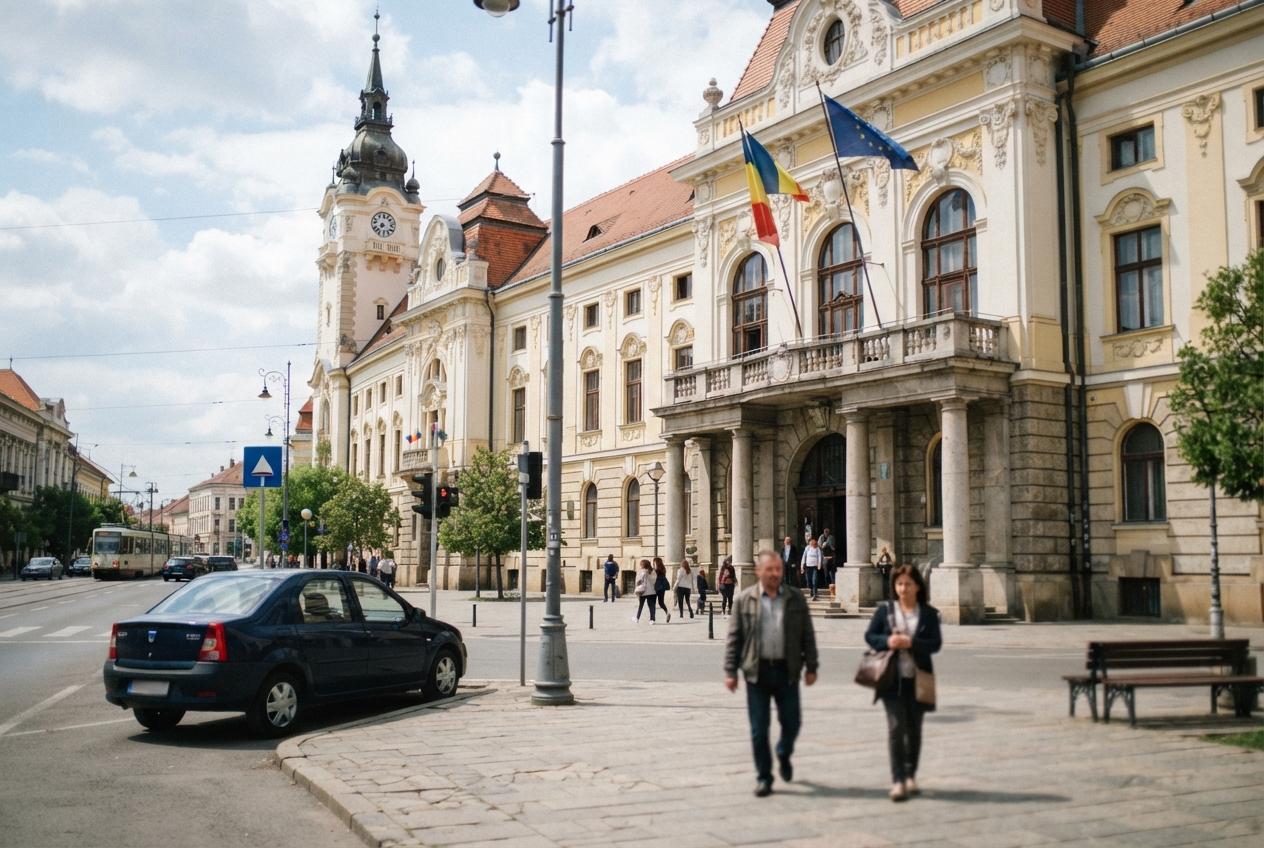
Shocked residents and activists keep trying to hold Pride in Oradea, but local authorities repeatedly refuse permits; the clash shows how religious influence, vague rules and political caution block LGBTQ+ visibility in a Romanian city and why it matters across the region.
Essential Takeaways
- Repeated refusals: Oradea’s city hall has denied Pride permits multiple years running, citing public order, overlapping events and “bunele moravuri” complaints.
- Community pushback: Organisers still staged events; hundreds turned up despite fines and threats, with some activists contesting penalties.
- Religious influence: Sociologists point to strong, competing church networks in Bihor , part of a so‑called Romanian “Bible Belt” , as a key factor shaping civic decisions.
- Legal oddities: Experts say local permit committees act as informal filters beyond the law, using vague notions like “good morals” to restrict assembly.
- International attention: EU commissioners and dozens of NGOs have voiced support for Oradea Pride, while cases may head to the European Court of Human Rights.
Why Oradea keeps saying no: the immediate story
The council’s repeated rejections read like a bureaucratic litany: parks unavailable, streets booked, works on route, and this year, claims of complaints about “good morals.” Organisers say they proposed multiple locations and dates, then checked , and found nothing happening where the council claimed other events were scheduled. The result: bespoke arguments that activists call arbitrary and discriminatory, and a sense among participants that the city is closing ranks against them.
The local religious map: what the “Bible Belt” label really means
Bihor sits inside what some scholars and commentators now call Romania’s Bible Belt , a swathe of northern and western counties with deep church attendance and active congregations. Sociologists argue that when churches compete for visibility, they also grow more visibly conservative. That competitiveness seeps into civic life, making municipalities cautious about anything seen as controversial. So the refusal to authorise Pride isn’t just one mayor’s choice; it’s tangled in local religious networks and electoral calculations.
The legal grey zone: “bunele moravuri” and the permits that aren’t
Romanian law formally protects the right to assemble, but in practice local advisory commissions decide whether a notified event can proceed smoothly. Lawyers and campaigners say those commissions have become gatekeepers, often weighing ill‑defined concepts like “social conduct” and “good morals.” Experts note this is the first time they’ve seen that particular phrasing used to block a Pride, which highlights how pliable the rules can be in the hands of local officials.
Grassroots tactics: how organisers and supporters are responding
Instead of backing down, organisers have tried multiple tactics: changing routes and venues, staging smaller gatherings, and publicly documenting inconsistencies in the council’s replies. Hundreds have still turned up to defy bans, and legal appeals are under way. Meanwhile, more than a hundred organisations from several countries have publicly urged the city to allow the march, and EU officials have offered moral support , pressure that can matter when domestic law bumps up against pan‑European norms.
What this means for other Romanian cities and for rights in Europe
Oradea’s case is being watched beyond Bihor. If local bodies can use vague moral language to block assemblies, other municipalities might follow. But it’s also galvanised solidarity: NGOs, European institutions and sympathetic towns are rallying behind the right to peaceful public expression. For residents and activists, this dispute is as much about access to public spaces and civic recognition as it is about a single march on a single day.
It's a small fight with big implications , for local democracy, legal clarity and whether public space truly belongs to everyone.
Source Reference Map
Story idea inspired by: [1]
Sources by paragraph: