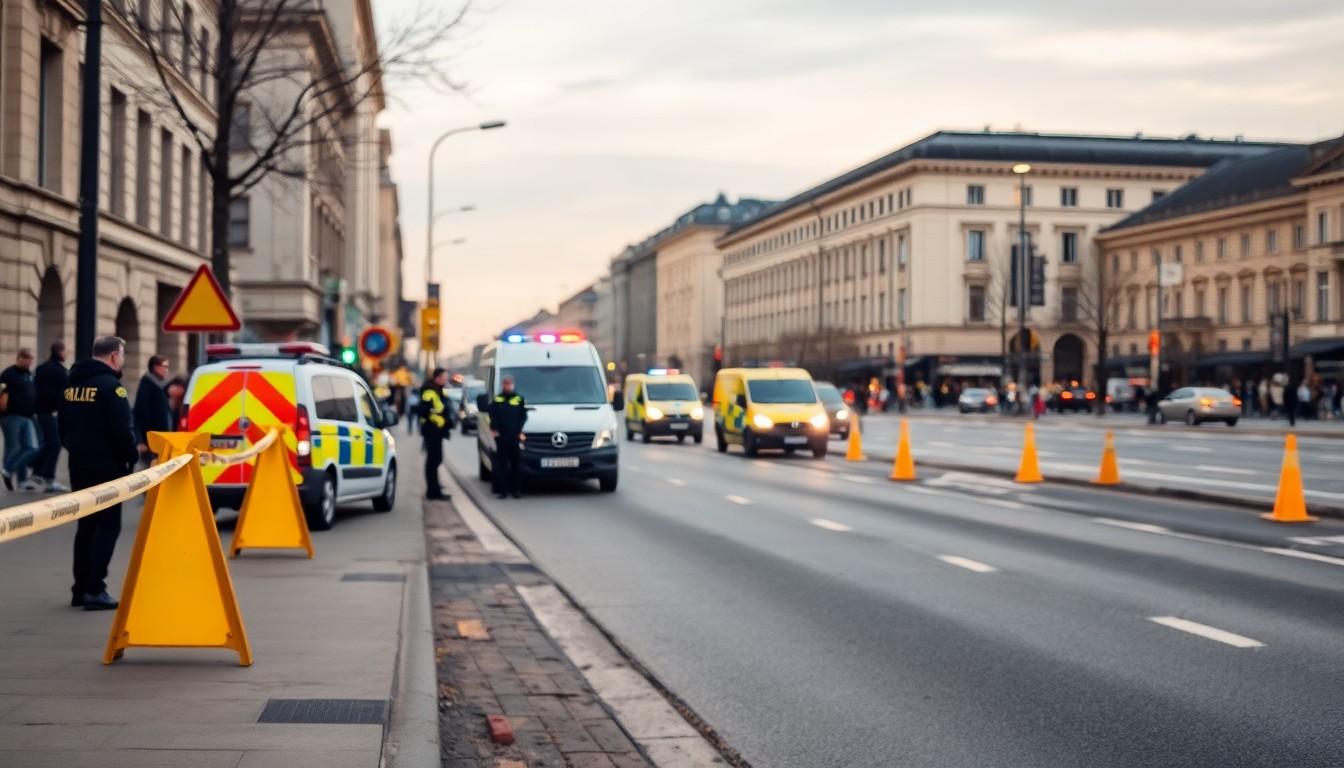
Shocked onlookers watched as a vehicle struck a crowd near Tiergarten; organisers cancelled the Pride closing events and police launched a manhunt amid frantic scenes , here’s a clear, timely roundup of who was hurt, what authorities are doing, and why this matters for public events.
Essential Takeaways
- Location and time: Incident occurred near Lennéstrasse beside Tiergarten at about 20:00 GMT during Berlin Pride-related gatherings.
- Casualties: Authorities report multiple injured and at least one fatality; emergency services treated victims at the scene.
- Response: A large police operation was already in place for the event; officers began searching for possible suspects immediately afterwards.
- Event impact: Organisers cancelled the planned closing of Pride celebrations to assist investigations and protect attendees.
- Investigation status: Officials are probing whether the vehicle strike was accidental or intentional; enquiries remain ongoing.
What happened, in plain terms
Witnesses described a sudden, chaotic scene when a vehicle entered a crowd near Lennéstrasse, the road that borders Tiergarten, at around 20:00 GMT. Medics and police rushed in; people at the scene were shaken, some reporting the acrid tang of antiseptic and the sound of sirens cutting through the evening.
According to media and emergency briefings, multiple people were hurt and at least one person died. Police immediately treated the site as an active incident and began searching for those connected to the vehicle. Organisers stopped the scheduled closing acts for Pride to let authorities work and to prevent further risk to attendees.
Police response and the manhunt
Berlin had already deployed thousands of officers because large crowds were expected for Pride, so a significant security presence was on hand when the strike occurred. That meant first responders and investigators could act fast, cordoning the area and starting forensic work.
Authorities described their search for "possible suspects" in the hours after the event. Investigators are collecting CCTV, eyewitness accounts, and vehicle traces to establish the sequence of events. At this stage they're clear the priority is victim care and establishing motive, whether accidental or deliberate.
Why organisers cancelled the closing events
Cancellation of the Pride closing was framed as a preventative and practical step , it helped keep people safe and freed up space for emergency services to operate. Organisers said they wanted to prioritise victims and give investigators room, while also avoiding further crowding that might hamper rescue or investigative efforts.
This decision follows an understandable instinct to de-escalate and support authorities; for attendees it also signalled a respectful pause to the festivities as the community absorbed the shock.
What investigators are focusing on now
Detectives are trying to answer three core questions: who was driving, how the vehicle reached the crowd, and whether the act was intentional. They'll use CCTV, mobile phone footage from bystanders, forensic evidence from the vehicle, and witness statements.
Officials are being cautious in public statements while enquiries continue. That means details will evolve; expect new information on the identities of suspects, the condition of the injured, and any legal steps once police are confident in the facts.
Context: safety at large Pride events and the wider reaction
Large public gatherings such as Pride parades have prompted planners to tighten security in recent years, balancing celebratory atmosphere with protective measures. This incident underlines how organisers and authorities must continually adapt crowd control, pedestrian barriers, and emergency planning.
Community groups, elected officials, and organisers typically respond to such events with condolences, calls for calm, and appeals not to jump to conclusions while police investigate. In the short term, morale is likely to be low but communities often rally to support victims and each other.
It's a small change that can make every public event safer , and a reminder to stay alert and support those affected.
Source Reference Map
Story idea inspired by: [1]
Sources by paragraph: