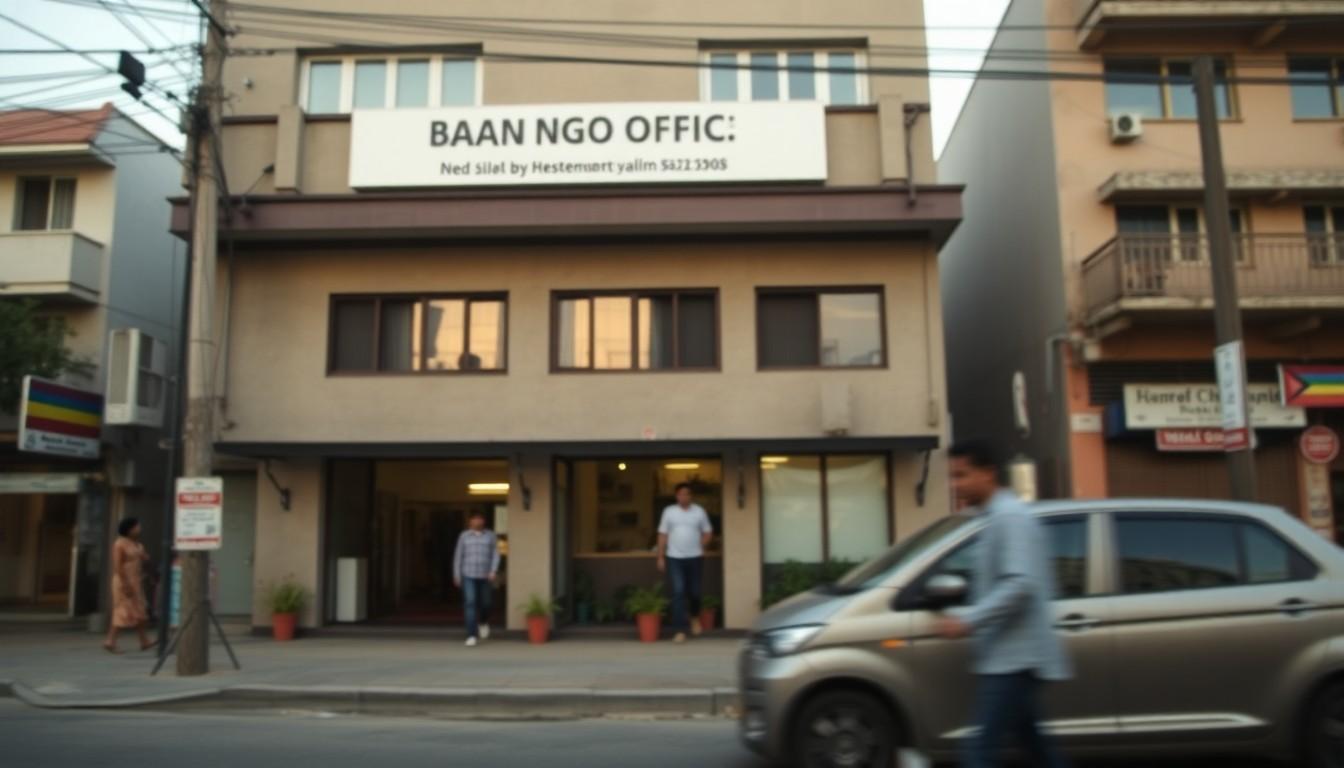
Shocking new reporting shows USAID budget cuts have left around 100 LGBTQ+ and other aid workers in Nepal without income, forcing many into sex work; here's what happened, why it matters, and how donors, policymakers and readers can think differently about the human cost.
Essential Takeaways
- Scale of impact: Around 100 former aid workers in Nepal lost livelihoods after USAID funding was reduced, leaving some to sell sex to survive.
- Vulnerable workforce: Many affected are LGBTQ+ people who had few legal job options in a conservative society and relied on international funding.
- Aid supplies noted: USAID-funded programmes supplied condoms and lubricant as part of health and HIV-prevention work, a standard public-health practice.
- Local reaction: The story triggered strong reactions online and at home, including debates over US taxpayer money, cultural values, and international responsibilities.
- Practical question: Restoring programmes or rerouting local support would reduce harm quickly; meanwhile, oversight and clearer communication around funding uses could calm public debate.
What the reporting found , a human, not just a budgetary, crisis
The Associated Press and the Washington Post documented a painful ripple effect after cuts to US foreign assistance programmes. The strongest, most visible detail is simple and human: people who once worked distributing health supplies and running programmes are now trying to survive. The scene is stark, and it lands hard because of its sensory contrast , from office or clinic settings to the streets at night. According to reporting, roughly a hundred former aid workers, many of them LGBTQ+, lost incomes when projects closed and turned to sex work to feed themselves. That’s not an abstract statistic; it’s a concentrated social breakdown with real lives at stake.
Why condoms and lubricant became part of the controversy
USAID-funded health programmes commonly buy condoms and lubricant for HIV prevention and safer-sex education, a point made repeatedly in the coverage. Those supplies are standard public-health tools used by organisations worldwide to reduce infections and support vulnerable populations. But the sight of such purchases in a conservative, religiously inclined society can ignite political backlash, especially when funding comes from US taxpayers. Critics online seized on the optics and equated distribution with endorsement of certain behaviours, while public-health advocates emphasise prevention and dignity. Understanding both perspectives helps explain why an otherwise technical budget cut turned into an emotive flashpoint.
The local context: limited jobs, stigma and survival strategies
Nepal remains a place where conservative social norms limit open employment opportunities for openly transgender and LGBTQ+ people. That structural discrimination is key to this story: when international projects provide the few stable roles available, cuts quickly push people into precarious alternatives. The Washington Post reporting highlights how strongly stigma shapes choices and how fragile livelihoods can be when they depend on a single funding source. If you’re wondering what fixes look like, the immediate ones are simple , emergency cash assistance, local NGO bridging funds, and job programmes that accept and protect sexual minorities.
Political fallout and public opinion back home
The story prompted a fierce debate among US audiences and online commentators about how taxpayer money should be spent abroad. Some readers call for tighter limits on funds directed at sexual-health initiatives, arguing moral grounds. Others, and many public-health experts, say the moral calculus is the opposite: preventing disease and supporting marginalised people is precisely what humanitarian aid should do. The broader lesson is that foreign-aid decisions are rarely just about spreadsheets; they reverberate through communities and media ecosystems, and messaging matters. Policymakers who cut funds should expect domestic political applause but international human consequences.
What donors, NGOs and citizens can do now
There are practical steps that can reduce immediate harm and address longer-term problems. Donors and NGOs can set up emergency livelihoods grants and partner with local groups to create alternative job pathways. US and other governments could add transition funding when they end programmes so staff aren’t left without safety nets. And for citizens and journalists, the useful move is to demand clear reporting on what aid buys and why, while also asking hard questions about accountability, outcomes and safeguards. That shifts the conversation from moral panic to constructive problem-solving.
It's a small policy choice that has made a big human difference; hearing these voices should prompt more than a headline reaction.
Source Reference Map
Story idea inspired by: [1]
Sources by paragraph: