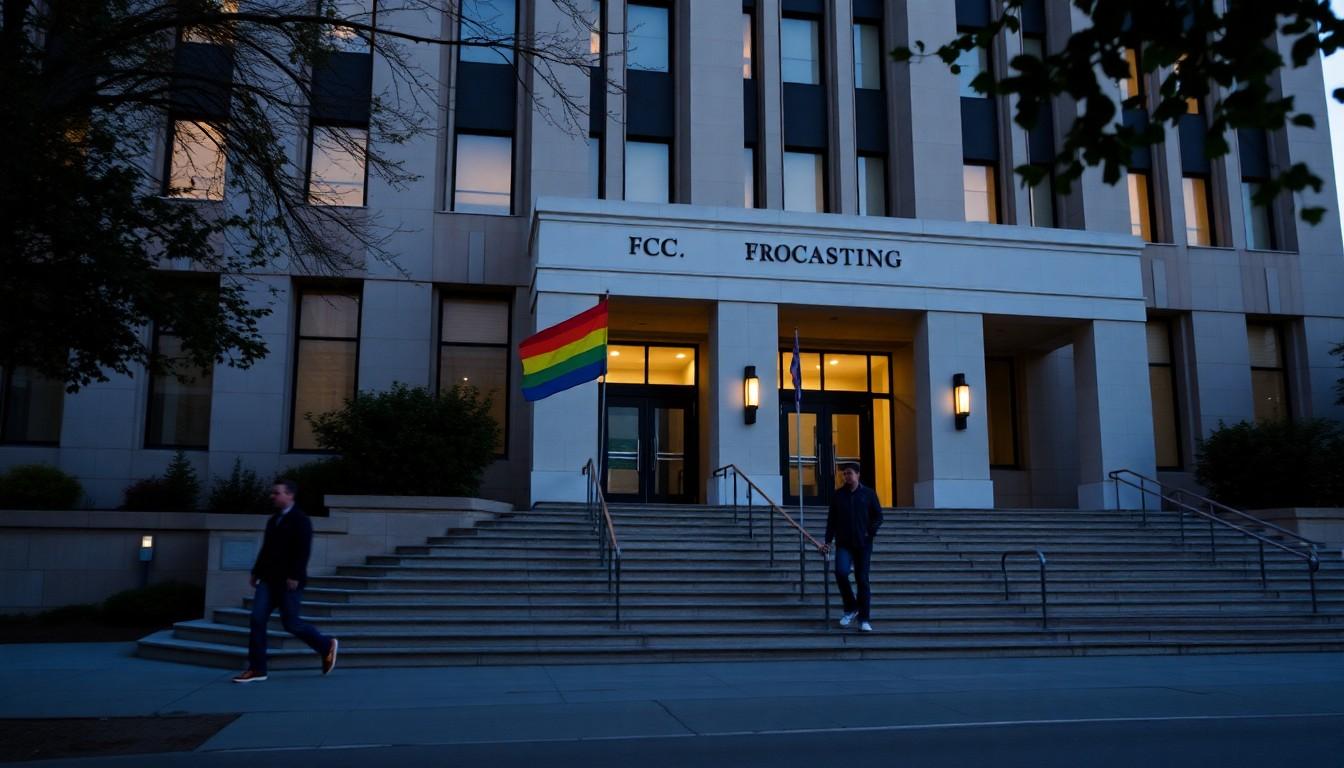
Shoppers of streaming nights and parents alike are watching a new culture war play out: the FCC is weighing a proposal to add advisory labels to programming that features LGBTQIA+ characters or gender-identity themes, and critics warn it could single out queer stories in a way that chills representation across film and TV.
Essential Takeaways
- Proposal overview: The FCC is considering advisory labels for programmes with LGBTQIA+ characters, themes or gender-identity content.
- Strong opposition: Advocacy groups such as GLAAD and PEN America argue the labels stigmatise queer people and risk government interference in storytelling.
- Political pushback: Democrats in Congress and civil-liberties voices have criticised the move as a form of censorship.
- Practical impact: Labels wouldn’t ban content, but they could alter how audiences perceive queer stories , making them seem “controversial” rather than ordinary.
- What to watch: The FCC has not decided; public comments and legal and industry responses will influence the outcome.
What the proposal actually says , and why it landed on the agenda
The FCC is looking at language that would add advisory notices to programming involving gender identity, including transgender and non-binary themes. That’s a narrow procedural change on paper, but it’s loaded with implications. Industry professionals point out this isn’t a content ban; it’s a proposal to flag certain subjects for viewers. Still, the optics are what worry many , a label can transform a simple love story or coming-of-age plot into something presented as risky or exceptional.
Why advocacy groups are alarmed , freedom of speech and stigma
GLAAD and PEN America have been among the loudest critics, arguing the labels would stigmatise LGBTQIA+ people and amount to government interference in creative work. They say warning labels are typically reserved for mature or harmful material, so applying them to queer stories sends a harmful message. That reaction has translated into organised opposition, with thousands of public comments and formal condemnations from civil liberties groups.
The political backlash , Democrats and industry push back
House Democrats and several industry bodies have framed the proposal as censorship in practice, not clarification for parents. Lawmakers say singling out queer content risks setting a precedent where identity-based storytelling is treated differently from other themes. Meanwhile, trade groups and free-press organisations argue the move could chill investment in diverse storytelling , producers might avoid queer themes to sidestep regulatory hassle or controversy.
What this would mean for parents, viewers and creators
If implemented, the labels wouldn’t erase queer characters, but they could change how people approach that programming. For parents seeking guidance, some will welcome clearer descriptors; others worry those descriptors will carry an implicit value judgement. Creators fear self-censorship: writers and showrunners may shy away from nuanced queer representation rather than invite scrutiny. For viewers, the change could turn ordinary depictions of LGBTQIA+ life into “something to be warned about,” which is exactly the concern critics have raised.
How the debate fits a bigger cultural picture , representation under pressure
This fight echoes broader tensions over who gets to be “normal” on screen. After years of expanding representation, opponents of the labels see a rollback in how openly queer lives are treated by institutions. Supporters of the proposal cast it as parental-rights advocacy; opponents call it a thinly veiled attempt to relegate queer stories to a different category. Either way, the discussion is reshaping how the industry, audiences and policymakers talk about identity on screen.
It's a small change on paper that could have outsized effects on how queer stories are seen , and who gets to tell them.
Source Reference Map
Story idea inspired by: [1]
Sources by paragraph: