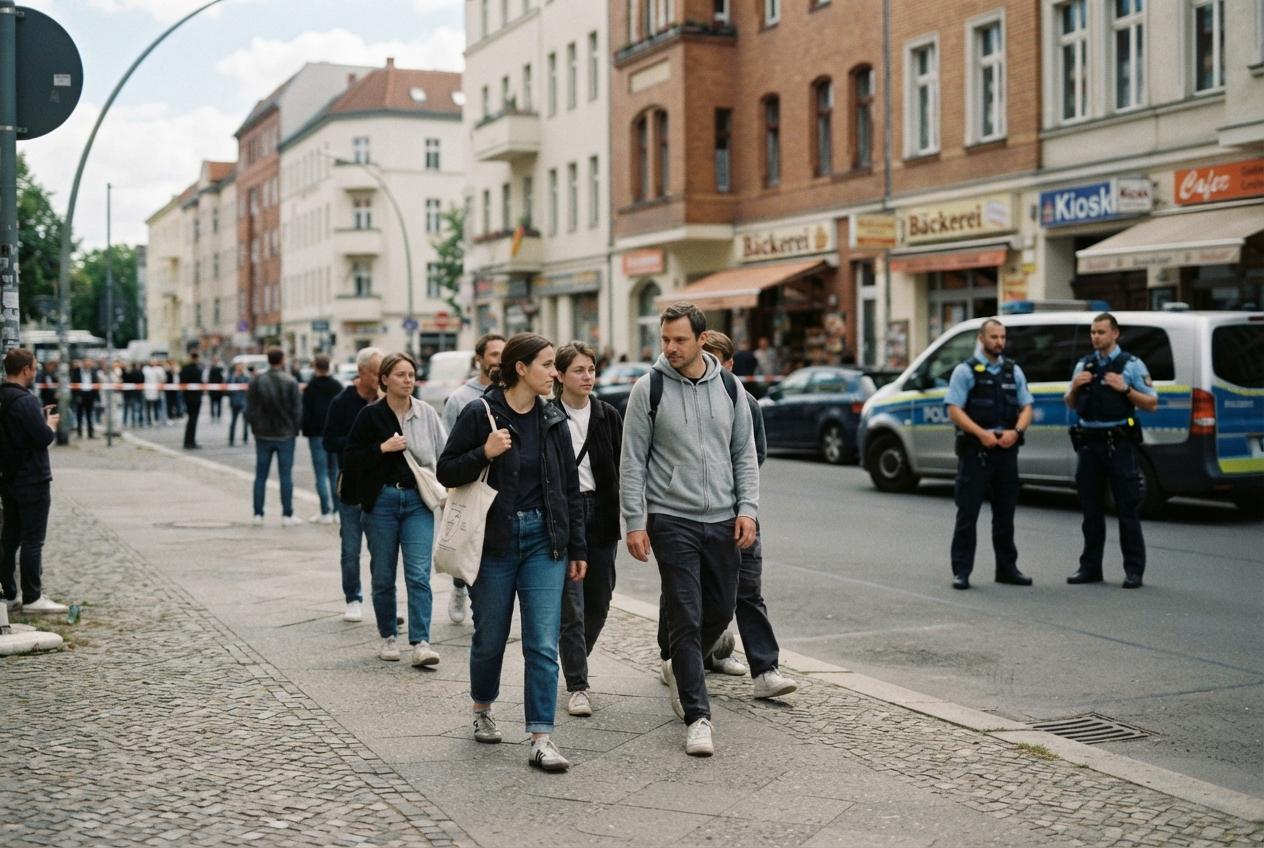
Shocked Berliners are grappling with grief and disbelief after a vehicle ploughed into a Pride march; organisers, neighbours and LGBTQ+ groups are calling for answers, support and stronger protections as the city mourns and prepares for solidarity events.
Essential Takeaways
- What happened: A car drove into a crowd at a Pride parade in Berlin, causing casualties and panic; authorities launched a manhunt and later arrested a suspect.
- Human cost: Witnesses describe chaotic scenes, with people injured and bystanders rushing to help; families and activists report deep shock.
- Community response: Vigils, increased patrols and solidarity marches were quickly organised, with local LGBTQ+ groups urging safety and unity.
- Questions raised: The attack has reignited debate about protections for queer people, street safety at public events and how to prevent targeted violence.
- Practical note: If you’re attending marches, follow organiser safety briefings, stay aware of exits, and look out for vulnerable participants.
What unfolded on the day , chaotic, shocking, immediate help
Eyewitnesses told reporters the mood turned from celebratory to terrified in an instant as a vehicle struck participants at the Pride march in central Berlin. People described an acrid sting in the air and the thump of impact, followed by cries and frantic first aid. Emergency services arrived quickly, and bystanders , some trained in first aid, many not , stepped in to help.
According to AP, police immediately cordoned off the area and started a manhunt for the driver, creating a tense city centre scene. Community members say the image of people giving one another cover and comfort has been seared into memory. For those who planned the event, the day’s joy has been replaced with practical worry about preventing another tragedy.
Who’s been affected and how the community is responding
The injured included marchers and bystanders, and hospitals treated multiple victims. Families and friends have been left with a churn of grief and unanswered questions, and local LGBTQ+ organisations moved fast to set up support lines and information points for worried relatives and participants. A wave of vigils and solidarity gatherings followed, people laying flowers and lighting candles in public squares.
Organisers from queer groups published statements decrying the attack and calling for calm, while also demanding better protection for public LGBTQ+ events. Volunteers have been collecting donations for victims’ families, and counsellors are being offered to those traumatised by what they saw.
Security, prevention and the broader debate about queer safety
This incident has reopened debates about how public events are policed and secured, especially those for marginalised groups. Some locals and activists have questioned whether current security measures at Pride parades are adequate, and whether more visible policing or different crowd-control plans might deter attacks. Others worry that a heavy security presence could change the open, festive feel that makes Pride inclusive.
Experts and community leaders are now discussing practical steps: clearer risk assessments, designated safe spaces at marches, trained volunteer marshals, and better co‑ordination with police and emergency services. If you organise or attend marches, consider signing up as a steward, familiarising yourself with evacuation routes and carrying a small first-aid kit.
Context: a worrying pattern and the international reaction
The assault sits alongside a worrying pattern of attacks on LGBTQ+ targets in different countries, including vandalism and worse. Advocacy groups point out that queer venues, cultural institutions and public events have been targeted before, and that hate-motivated violence often rises alongside hostile rhetoric and political tensions.
International reaction was swift: solidarity messages arrived from queer communities across Europe and beyond, and multiple cities planned moments of silence. According to local advocacy reports, queer‑phobic violence has been tracked and warned about by community organisations in Berlin for some time, and this latest attack has intensified calls for long-term prevention strategies.
What survivors and allies say , resilience, but a push for change
Survivors and allies emphasise resilience and the need to remain visible and supported. They stress that an attack on Pride is an attack on the right to public presence and celebration for LGBTQ+ people. Community leaders are asking for concrete commitments from city officials: better protection for events, transparent investigations, and resources for victims.
There’s a palpable mix of anger and solidarity in Berlin. As one organiser noted in local coverage, grief is immediate but so is the determination to keep showing up. The coming weeks will test whether promises translate into better safety and sustained support.
It's a small change to public planning that could make big differences to safety and peace of mind.
Source Reference Map
Story idea inspired by: [1]
Sources by paragraph: